
Late summer has a funny way of making your home feel… tired.
Maybe it looked perfect back in May when the days started getting longer, but now everything seems a little dusty, cluttered, and uninspiring. The throw pillows you’ve loved for months suddenly feel boring. That corner of the living room you’ve ignored all season somehow stands out every time you walk past it. And before you know it, you’re scrolling through furniture websites convincing yourself that a new sofa or coffee table is the answer.
Here’s the thing—it usually isn’t.
Most people assume refreshing a room means spending hundreds or even thousands of dollars on new furniture. In reality, what makes a space feel fresh has far more to do with how it looks, flows, and feels than how much you’ve spent on it. A few thoughtful changes can completely shift the mood of your home without replacing a single major piece.
If you’re trying to stretch your decorating budget while still giving your home that end-of-summer refresh, you’re in the right place. These ideas are practical, realistic, and easy to tackle over a weekend. More importantly, they’re the kinds of changes you’ll actually notice every day.
Why Late Summer Is the Perfect Time for a Home Refresh
Most people wait until fall to redecorate, but late summer is actually the sweet spot.
By this point, you’ve lived with your home through months of open windows, extra foot traffic, vacations, backyard gatherings, and long sunny days. Naturally, things start feeling a little worn out. Dust builds up in overlooked places. Decorative pieces slowly migrate into random corners. Plants grow unevenly. Everyday clutter becomes part of the background.
Refreshing your space now gives you a clean slate before fall decorating begins.
Instead of layering pumpkins, blankets, and candles onto rooms that already feel chaotic, you’re creating a fresh foundation that makes seasonal decorating much easier later.
Think of it less as redecorating and more as resetting your home.
The Biggest Mistake People Make When Refreshing Their Home
Assuming More Stuff Equals Better Design
This is where most people get it wrong.
When a room feels boring, the first instinct is usually to buy something new. Maybe it’s another accent chair, another side table, or a trendy cabinet that looked amazing on social media.
But here’s what actually works: making your current pieces look intentional.
Professional-looking homes rarely feel crowded. Instead, every piece has breathing room. Furniture isn’t competing with accessories, and decorations aren’t piled onto every available surface.
Adding more furniture often creates the opposite effect.
Before spending money, challenge yourself to improve what you already own. You’d be surprised how different your home feels when everything has a purpose and enough space around it.
Decorating Every Surface
Walk through your home and look at your coffee table, console, kitchen counters, bookshelves, and nightstands.
Are they completely covered?
Many homes slowly accumulate decorative objects until every flat surface becomes a display shelf.
Instead of making a room feel stylish, this usually creates visual noise.
Choose a few pieces you genuinely love and let them stand out. A single vase beside a stack of books often looks far more expensive than ten unrelated accessories squeezed together.
Negative space isn’t empty—it helps everything else shine.
Start With a Deep Reset Instead of Shopping
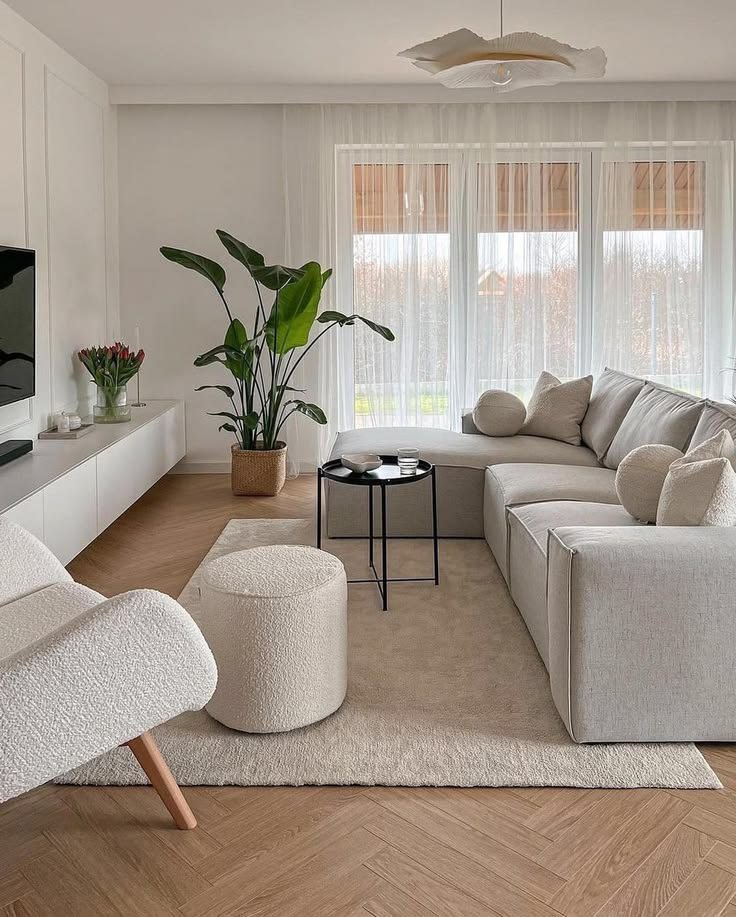
Declutter With Fresh Eyes
You don’t have to become a minimalist.
Instead, pretend you’re seeing your house for the first time.
Walk into each room and ask yourself:
- What’s the first thing I notice?
- Does anything feel heavy or crowded?
- Is there anything I’m keeping simply because it’s always been there?
Late summer is the perfect time to edit your décor.
Put away accessories you’ve stopped noticing. Store seasonal pieces you’re tired of looking at. Remove anything that feels random or disconnected.
Often, taking things away has a bigger impact than adding new ones.
Give Every Room a Proper Cleaning
This sounds obvious, but most people underestimate how much cleanliness affects design.
Natural light reflects differently off clean windows.
Wood furniture instantly looks richer after being polished.
Area rugs regain their color after a deep vacuum.
Mirrors brighten entire rooms when they’re free from fingerprints and dust.
A clean room naturally feels brighter, newer, and more inviting without changing a single decorative element.
Rearrange Your Furniture Before You Buy Anything
One of the easiest ways to refresh your home for late summer without buying new furniture is simply moving what you already have.
It costs nothing, yet it completely changes how a room feels.
Rethink the Layout
Furniture often stays in the same position for years simply because that’s where it landed during move-in day.
But your lifestyle changes.
Maybe your family gathers differently now. Maybe you work from home more often. Maybe you simply want better conversation areas.
Try pulling furniture a few inches away from walls.
Angle an accent chair toward the sofa instead of the television.
Swap two side tables between rooms.
Move a floor lamp into a forgotten corner.
Small adjustments make spaces feel intentionally designed rather than automatically arranged.
Shop Your Own House
This trick is one interior designers use all the time.
Instead of shopping at a store, shop inside your own home.
That woven basket sitting in your bedroom might look perfect beside the fireplace.
A lamp from the guest room could completely change your living room.
Artwork in the hallway might make a much stronger statement above your dining buffet.
Plants, mirrors, baskets, trays, stools, and decorative bowls can all work differently in new locations.
Because you’re seeing them in a different setting, they instantly feel new.
Refresh Your Color Story Without Spending Much
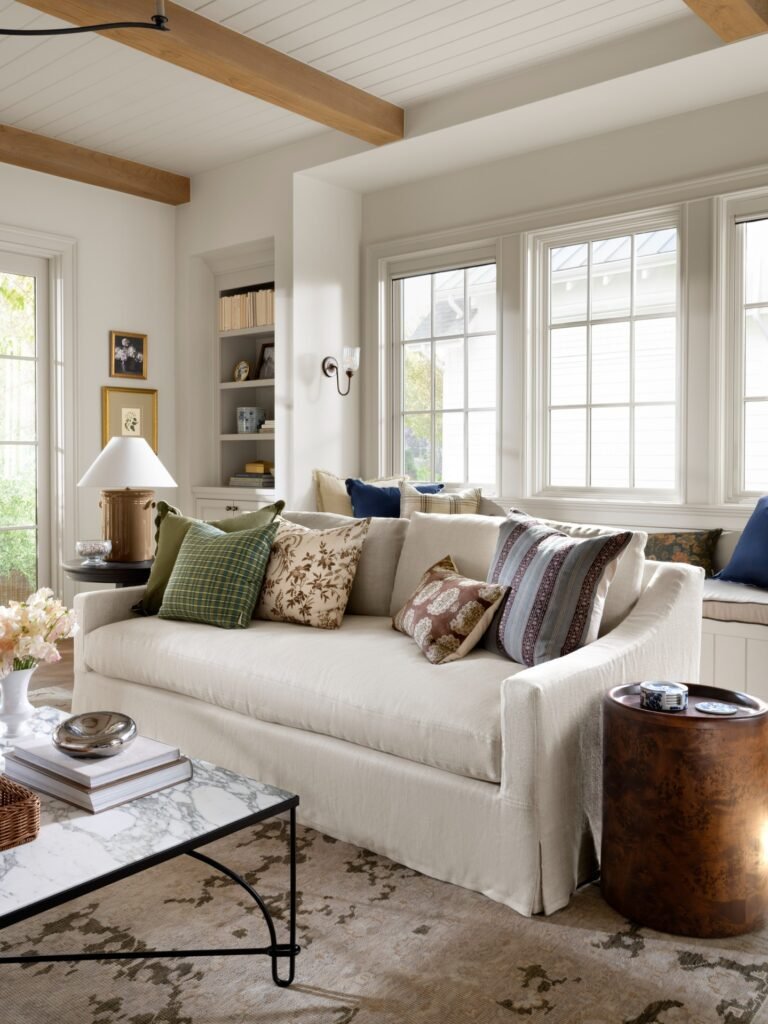
Late summer naturally calls for softer, warmer colors.
That doesn’t mean replacing everything.
Instead, edit the colors you’re already displaying.
Remove Heavy Winter-Looking Accessories
Even if they’re beautiful, chunky knits, dark candles, heavy textures, and overly dramatic décor can make a room feel weighed down.
Store anything that feels visually heavy for a few months.
Your rooms immediately become lighter.
Let Natural Materials Take Center Stage
Here’s something that instantly makes a home feel relaxed.
Bring attention to materials rather than decorations.
Think woven baskets.
Wood cutting boards leaning against the backsplash.
Linen table runners.
Ceramic bowls.
Rattan trays.
These pieces add warmth without creating clutter, and they transition beautifully from late summer into fall.
Unlike trendy décor, natural materials rarely go out of style.
Use Light to Completely Change the Mood
Lighting is probably the most overlooked decorating tool.
People spend thousands replacing furniture while completely ignoring how their home is lit.
What actually works is layering different sources of light.
During the day, maximize natural sunlight by opening curtains fully and cleaning windows.
At night, avoid relying only on bright overhead fixtures.
Instead, turn on table lamps, floor lamps, and warm accent lighting around the room.
Even moving an existing lamp to a darker corner can completely transform the atmosphere.
A room with thoughtful lighting almost always feels more expensive than one filled with brand-new furniture under harsh ceiling lights.
Refresh Your Shelves Like a Stylist
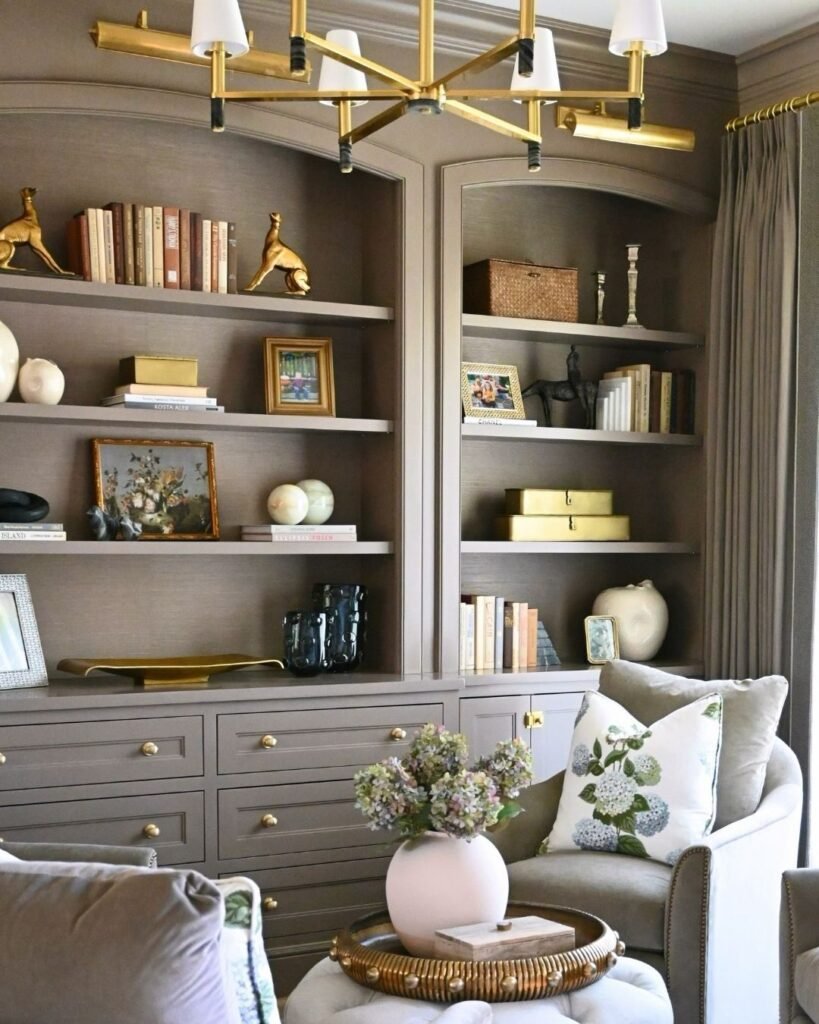
Bookshelves often become accidental storage.
Family photos, random souvenirs, candles, baskets, books, mail, and decorative signs all end up squeezed together.
Instead of adding more décor, edit what you already have.
Create small groupings instead of filling every shelf.
Mix vertical books with horizontal stacks.
Leave empty sections.
Add one trailing plant instead of several small accessories.
Use varying heights to create movement.
Most beautifully styled shelves actually contain fewer items than you’d expect.
Sometimes removing half the decorations makes the remaining half look twice as good.
Bring Late Summer Indoors With Natural Elements
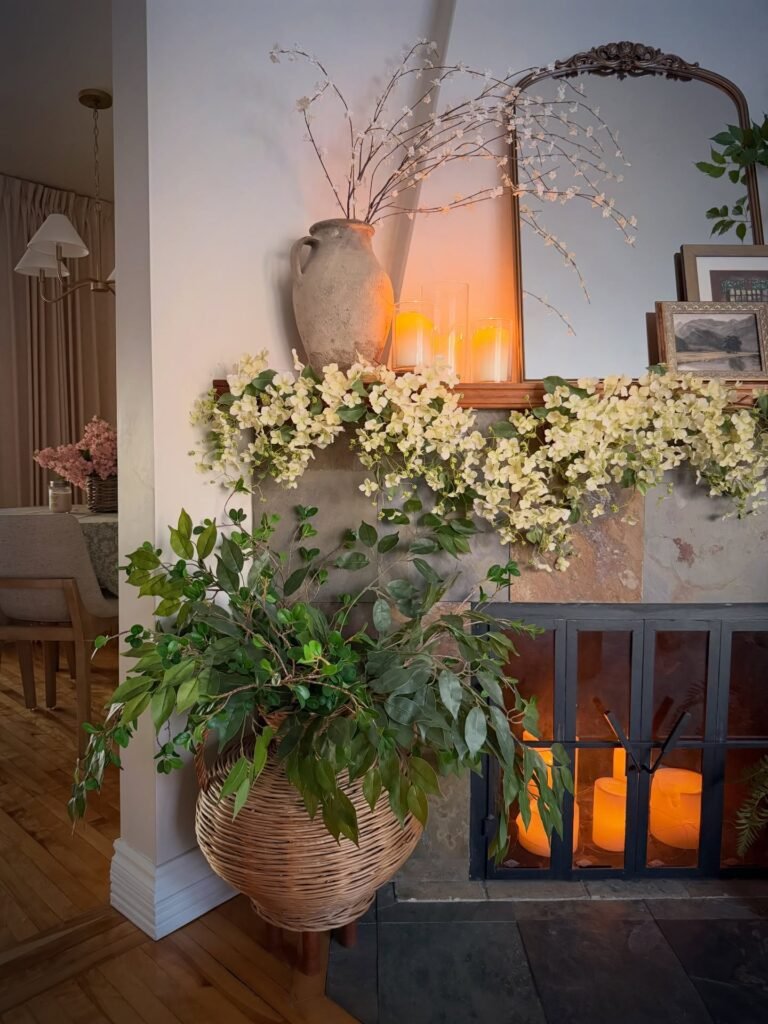
One of the easiest ways to make your home feel refreshed is to borrow a little inspiration from what’s happening outside.
Late summer has its own look. Think golden grasses, leafy branches, fresh herbs, bowls of peaches, and warm afternoon sunlight. You don’t need expensive floral arrangements or designer décor to bring that feeling inside.
Use Greenery You Already Have
Houseplants have a way of making every room feel more alive, but they don’t have to stay in the same spot forever.
Move a plant from your bedroom to the living room. Group two smaller plants together instead of scattering them around the house. Elevate one on a stack of books or a wooden stool to create different heights.
If a plant has become overgrown, trim it back and use the cuttings in a small vase. Suddenly, one plant becomes two decorative moments.
The goal isn’t to fill every corner with greenery. It’s to make the plants you already own feel intentional.
Look Outside Before You Visit a Store
Most people overlook the best decorating resource they have—their own backyard.
A few leafy branches in a ceramic pitcher can look just as beautiful as an expensive bouquet. Tall ornamental grasses, eucalyptus clippings, olive branches, or even interesting tree limbs can create a relaxed, organic look that fits perfectly with late summer.
What actually works is keeping arrangements loose and natural rather than perfectly styled.
That effortless look tends to feel warmer and more inviting.
Style With Everyday Items
Decor doesn’t always have to be decorative.
A bowl filled with lemons on the kitchen island.
Fresh peaches on the dining table.
A bundle of herbs in a simple glass jar.
These everyday items add color, texture, and life while serving a practical purpose. They make your home feel lived in without looking messy.
Refresh Your Textiles Instead of Replacing Furniture
Furniture usually isn’t what makes a room feel outdated.
Textiles are.
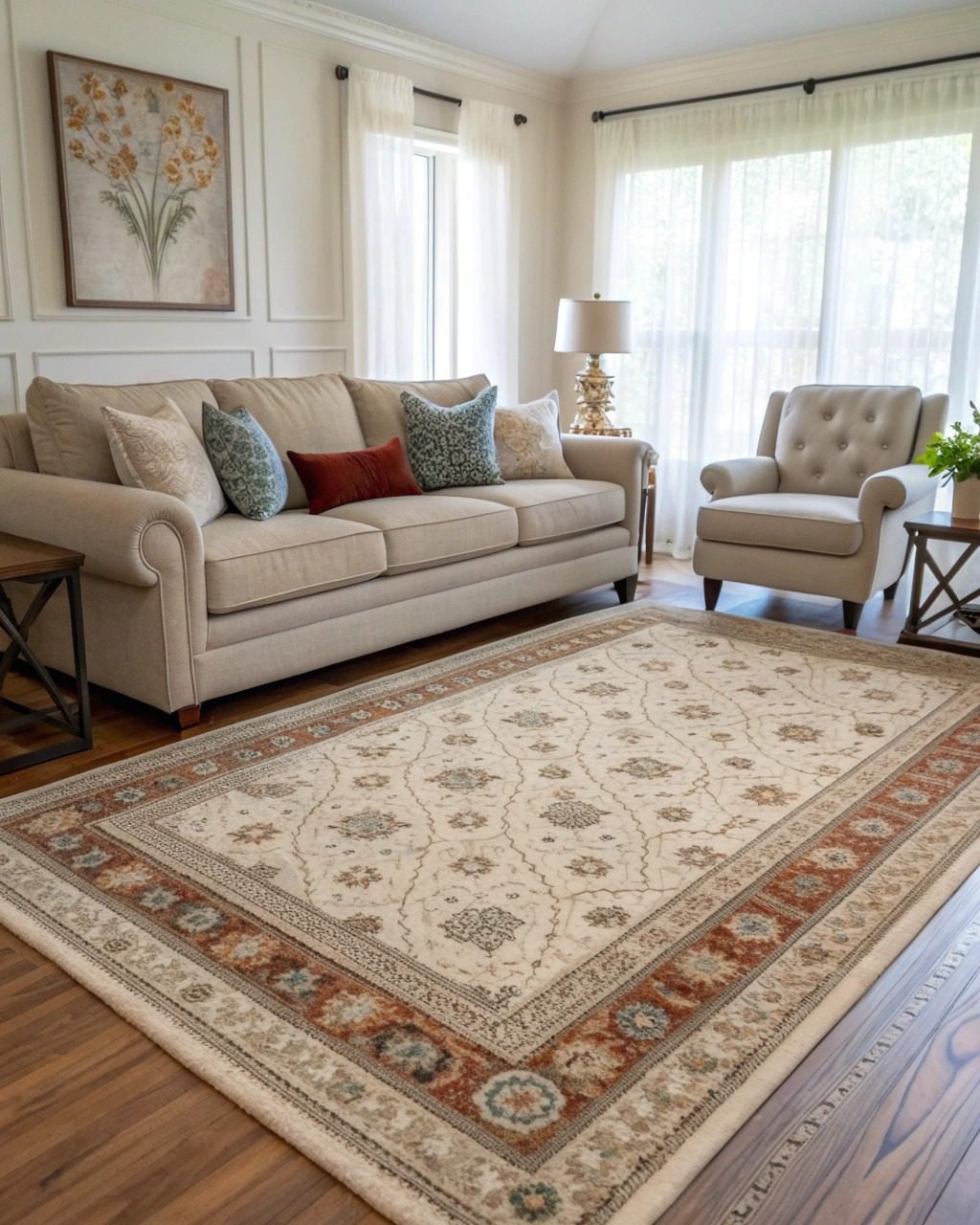
Pillows, throws, bedding, curtains, and rugs have a huge impact on the mood of a space because they’re what your eyes naturally notice after the larger furniture pieces.
The good news? You don’t necessarily need to buy new ones.
Rotate What You Already Own
Take everything out of your linen closet.
Seriously.
You’ll probably find throw blankets, pillow covers, or lightweight quilts you completely forgot about.
Swapping these between rooms instantly creates a different look.
A striped throw from the guest room may look perfect on your living room sofa. Neutral pillows from your bedroom might tone down a colorful reading chair.
Most people treat textiles as permanent, but they’re one of the easiest things to rotate throughout the year.
Fold and Layer Differently
Here’s a trick that costs absolutely nothing.
Instead of draping a blanket across the entire sofa, fold it neatly over one arm.
Instead of placing every pillow side by side, layer larger pillows behind smaller ones.
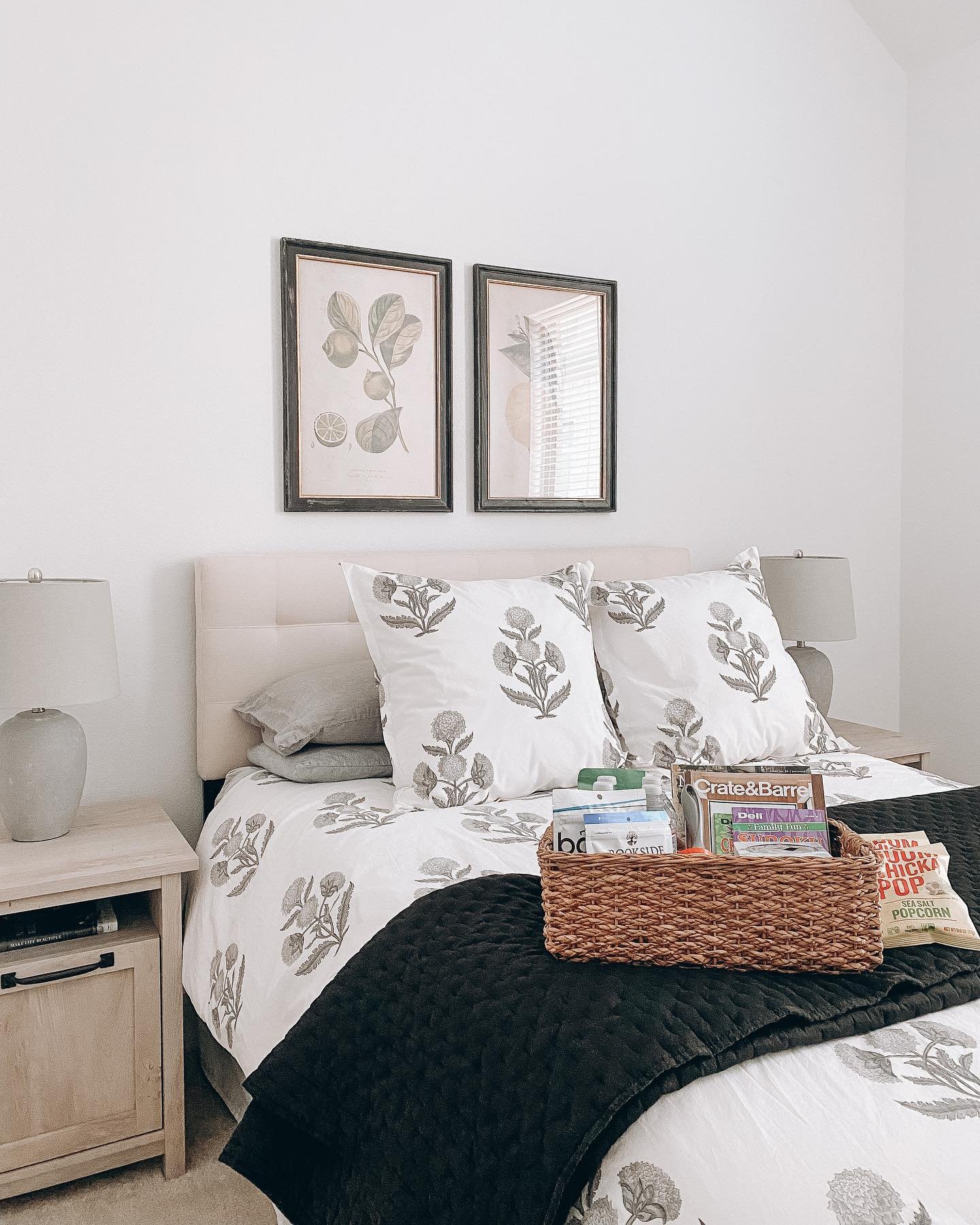
On your bed, try folding the comforter down slightly and adding a textured throw across the foot of the bed.
These styling changes create depth and make your home look more thoughtfully designed.
Focus on the Small Details That People Actually Notice
When guests walk into your home, they’re rarely evaluating your couch.
They’re noticing the overall feeling.
That’s why the little details matter so much.
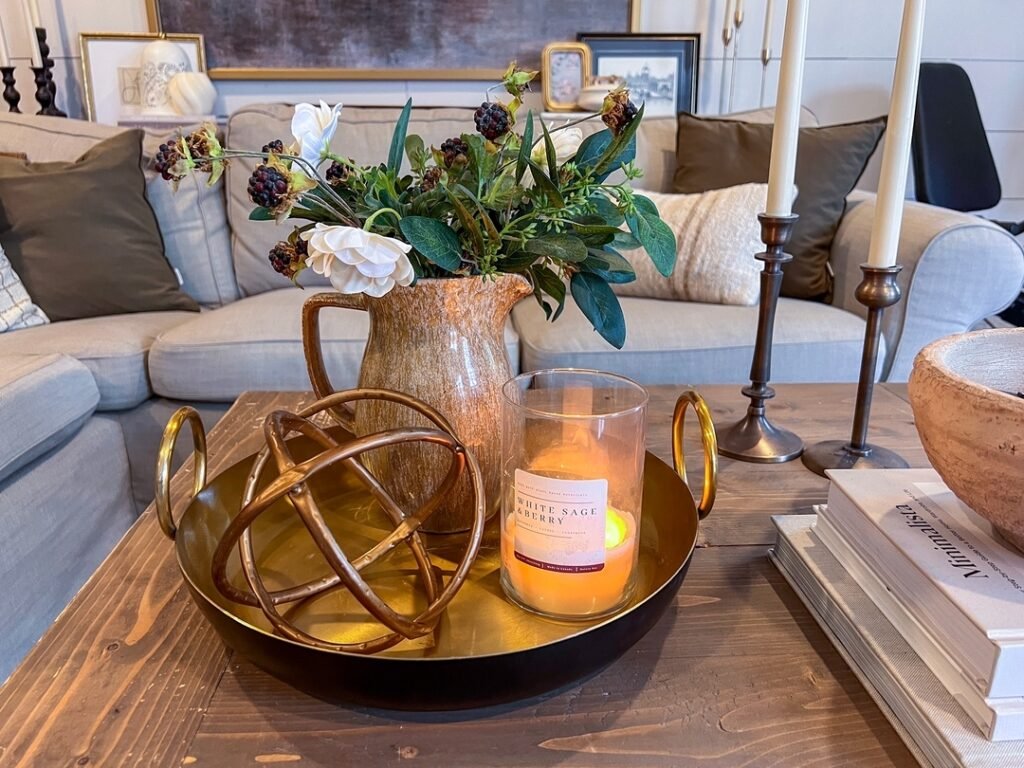
Restyle Your Coffee Table
Coffee tables tend to become dumping grounds for remotes, coasters, mail, and random odds and ends.
Clear everything off and start fresh.
A simple tray can hold a candle, a small plant, and one or two books. That’s often enough.
Leave some empty space around the arrangement.
Here’s the thing: every surface doesn’t need to be filled.
The empty space is what makes the styled pieces stand out.
Give Your Entryway More Attention
The entryway sets the tone for your entire home.
Even if it’s small, spend a few minutes making it feel welcoming.
Straighten the doormat.
Hang up stray jackets.
Place a basket where shoes naturally collect.
Add a small mirror or a plant from another room.
These simple adjustments create a cleaner first impression every time you come home.
Simplify Kitchen Counters
Most kitchens collect appliances that rarely get used.
If your blender, toaster, mixer, air fryer, coffee accessories, and utensil holders are all sitting out at once, the room can quickly feel crowded.
Keep only the items you use daily on the countertop.
Store the rest inside cabinets.
The kitchen immediately feels larger, cleaner, and more relaxing.
Create Better Flow Throughout Your Home
One thing that makes professionally decorated homes feel so cohesive is consistency.
Every room doesn’t match exactly, but they relate to one another.
Most people get this wrong by treating every room as a completely separate project.
Instead, repeat a few colors, materials, or textures throughout your home.
If you have woven baskets in the living room, add one to the bathroom.
If warm wood tones appear in your dining room, echo them in your bedroom with a tray or picture frame.
If olive green works in one room, carry small touches of that color into another.
These repeated details quietly connect your spaces, making the entire home feel intentional.
Don’t Forget the Power of Scent and Sound
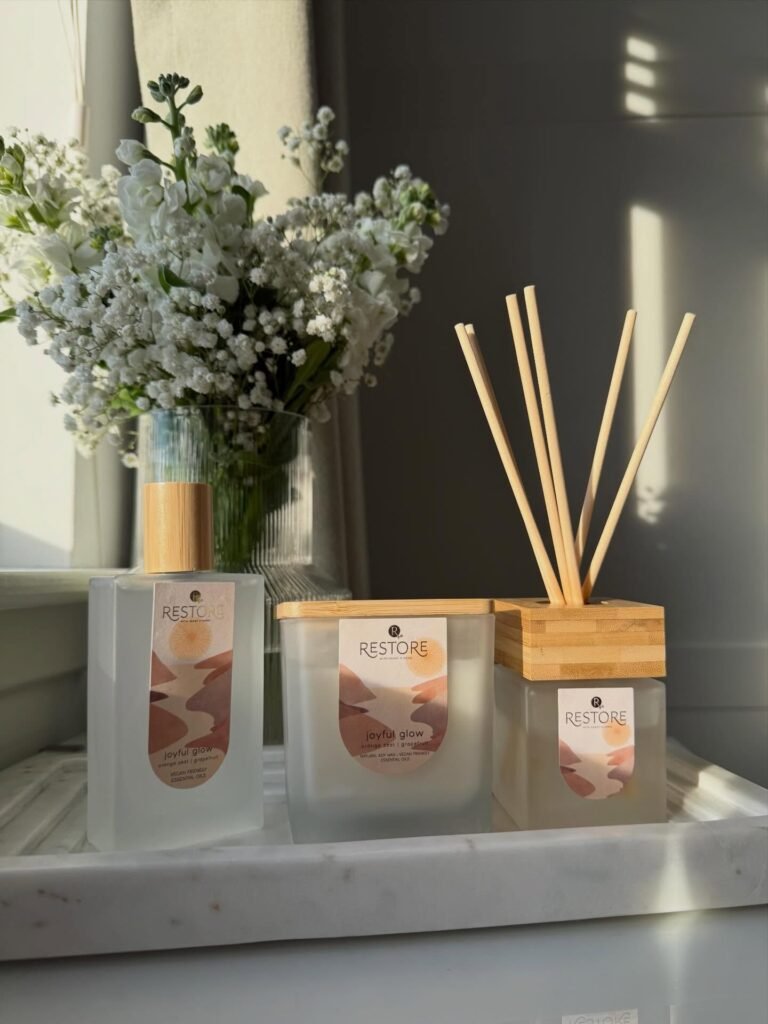
Refreshing a home isn’t only about what you see.
It’s also about what you experience.
Open the windows during cooler mornings to let fresh air circulate.
Play soft background music while you’re tidying up or making dinner.
Swap overly sweet fragrances for lighter scents like citrus, linen, basil, eucalyptus, or fresh herbs during late summer.
These subtle details influence how your home feels just as much as the furniture itself.
Sometimes the atmosphere changes before the décor does.
A Simple Weekend Plan to Refresh Your Home
Feeling overwhelmed?
Don’t try to tackle the entire house in one day.
Instead, follow this order:
- Declutter one room completely.
- Deep clean every surface.
- Rearrange the furniture if it improves the layout.
- Shop your own home for accessories.
- Remove anything that feels visually heavy.
- Add greenery or natural elements.
- Restyle shelves and tables with fewer decorative pieces.
- Finish by adjusting lighting and opening the windows.
By the end of the weekend, your home will likely feel lighter, brighter, and far more inviting—all without buying a single piece of furniture.
Final Thoughts
Learning how to refresh your home for late summer without buying new furniture isn’t about finding clever decorating hacks. It’s about seeing your home differently.
Most of us get so used to our surroundings that we stop noticing the small changes that could make a big impact. Rearranging a room, editing your décor, rotating accessories, bringing in natural elements, and creating more breathing room can completely transform how your home feels without putting a dent in your budget.