
Your living room has a funny way of collecting everything. One minute it’s clean, and by the end of the day there’s a throw blanket on the floor, coffee mugs on the side table, the TV remote has disappeared again, and somehow a pile of mail has taken over the console table.
If that sounds familiar, you’re definitely not alone.
The good news is that having a tidy living room isn’t about cleaning constantly. Most people think organized homes belong to people who spend hours putting things away every day, but that’s usually not true. The real secret is creating a space that’s easy to keep organized, even when life gets busy.
Here’s the thing: clutter usually isn’t caused by laziness. It’s caused by a room that doesn’t have simple systems for everyday items. When everything has a logical place, cleaning up takes minutes instead of becoming a weekend project.
If you’ve been wondering how to organize your living room so it always looks tidy, you’re in the right place. These aren’t magazine-perfect decorating tricks. They’re realistic ideas that work for real families, busy professionals, pet owners, and anyone who simply wants to walk into their living room and instantly feel more relaxed.
Why Most Living Rooms Never Stay Organized
A lot of organizing advice focuses on buying storage baskets or fancy shelving, but that usually treats the symptom instead of the actual problem.
Most living rooms become messy because they’re trying to do too many jobs at once.
Think about everything that happens in yours.
You probably watch TV there. Maybe you work from the couch sometimes. Kids play there. Guests gather there. You might eat snacks, read books, fold laundry, charge electronics, or even exercise in the same space.
Without realizing it, every activity brings new items into the room.
Eventually those items stay because they don’t have a designated home.
That’s why cleaning often feels endless.
You tidy everything up, but within a day or two the clutter comes right back.
What actually works is creating systems that match how you naturally use the room instead of fighting against your habits.
Start by Clearing Out What Doesn’t Belong
Before buying containers or rearranging furniture, take an honest look around your living room.
You’ll probably notice plenty of things that don’t actually belong there.
Common examples include:
- Shoes by the sofa
- Jackets hanging over chairs
- Children’s toys that haven’t been played with in weeks
- Random paperwork
- Shopping bags
- Empty boxes
- Workout equipment
- Old magazines
- Kitchen dishes
Most people get this wrong because they try organizing these items instead of removing them.
You don’t need better storage for things that shouldn’t live in the room in the first place.
Walk through the space with a laundry basket.
Anything that belongs somewhere else goes into the basket.
Don’t worry about putting everything away immediately.
Your first goal is simply making the room reflect its actual purpose.
Once the unnecessary items disappear, you’ll instantly see what really needs organizing.
Create Zones Instead of One Giant Living Room
One of the biggest mistakes people make is treating the entire room as one large space.
Even small living rooms work better when divided into simple activity zones.
The Relaxing Zone
This is usually your sofa, coffee table, and television area.
Keep only items related to relaxing here.
That might include:
- Throw blankets
- Remote controls
- A couple of favorite books
- Candles
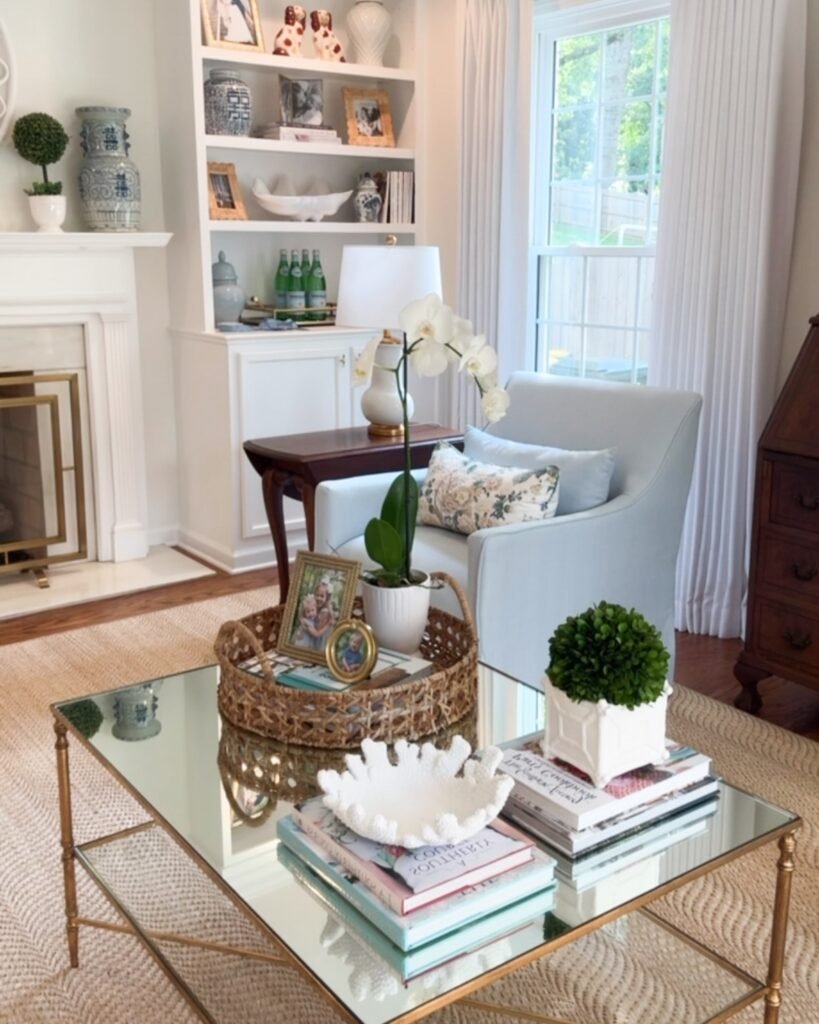
- A decorative tray
The fewer unrelated objects in this area, the calmer the room feels.
The Reading Corner
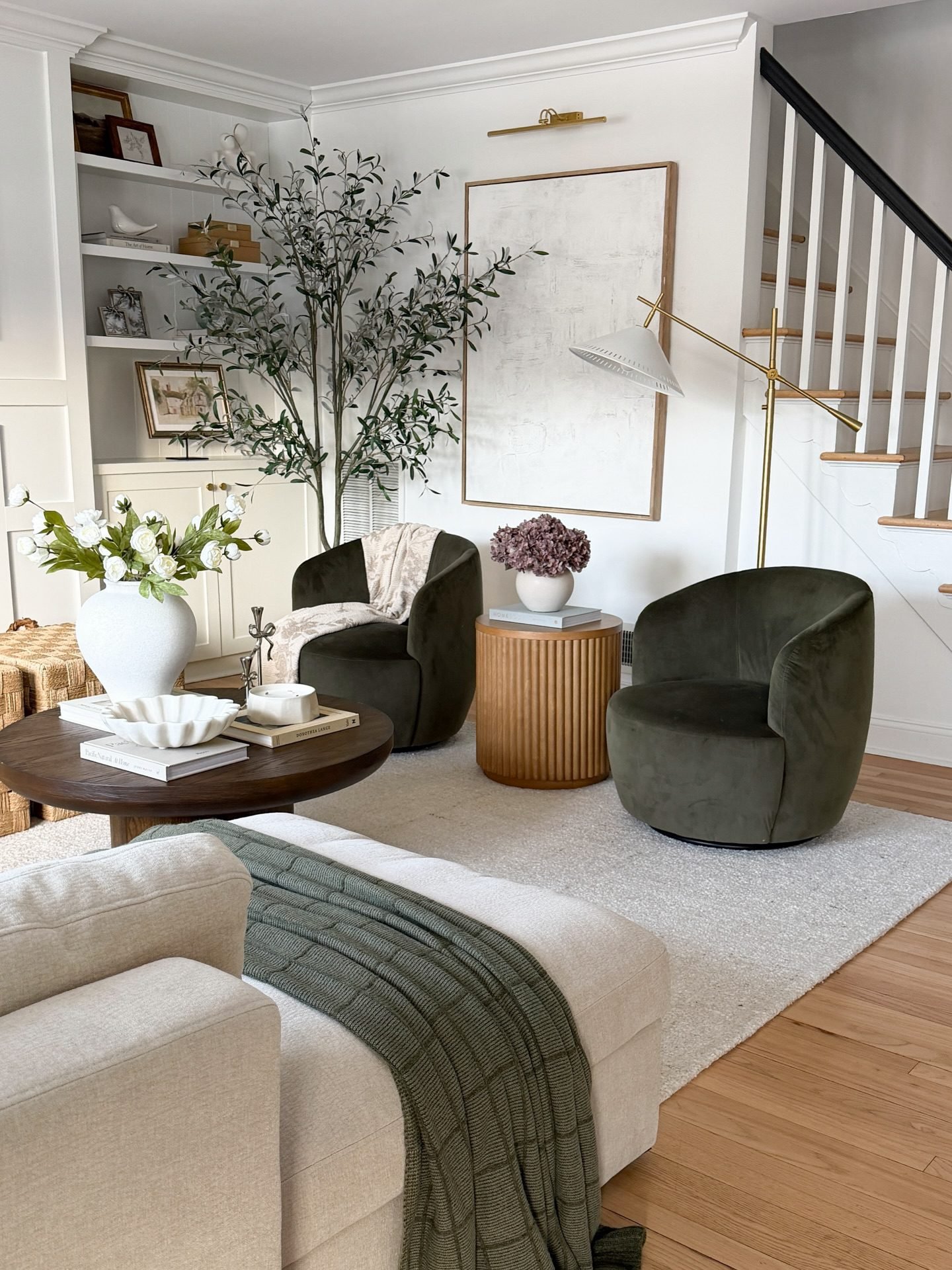
If you have an accent chair, turn it into its own little destination.
A small side table and one basket for books are often all you need.
Instead of stacks of magazines covering multiple surfaces, everything stays contained in one cozy spot.
The Family Storage Zone
Families often need practical storage that still looks attractive.
A cabinet with doors works incredibly well because it hides everyday clutter.
Board games, puzzles, extra charging cables, blankets, and kids’ activities stay accessible without being visible all day.
Closed storage instantly makes a room appear cleaner.
Give Every Everyday Item a Permanent Home
Here’s the biggest difference between organized homes and cluttered ones.
Every frequently used item has exactly one place where it belongs.
Not “somewhere on the coffee table.”
Not “inside one of those drawers.”
One specific home.
Think about the items you touch almost every day.
Remote Controls
Instead of searching every evening, keep them inside a decorative tray or small basket on the coffee table.
Everyone in the house knows exactly where they go.
Blankets
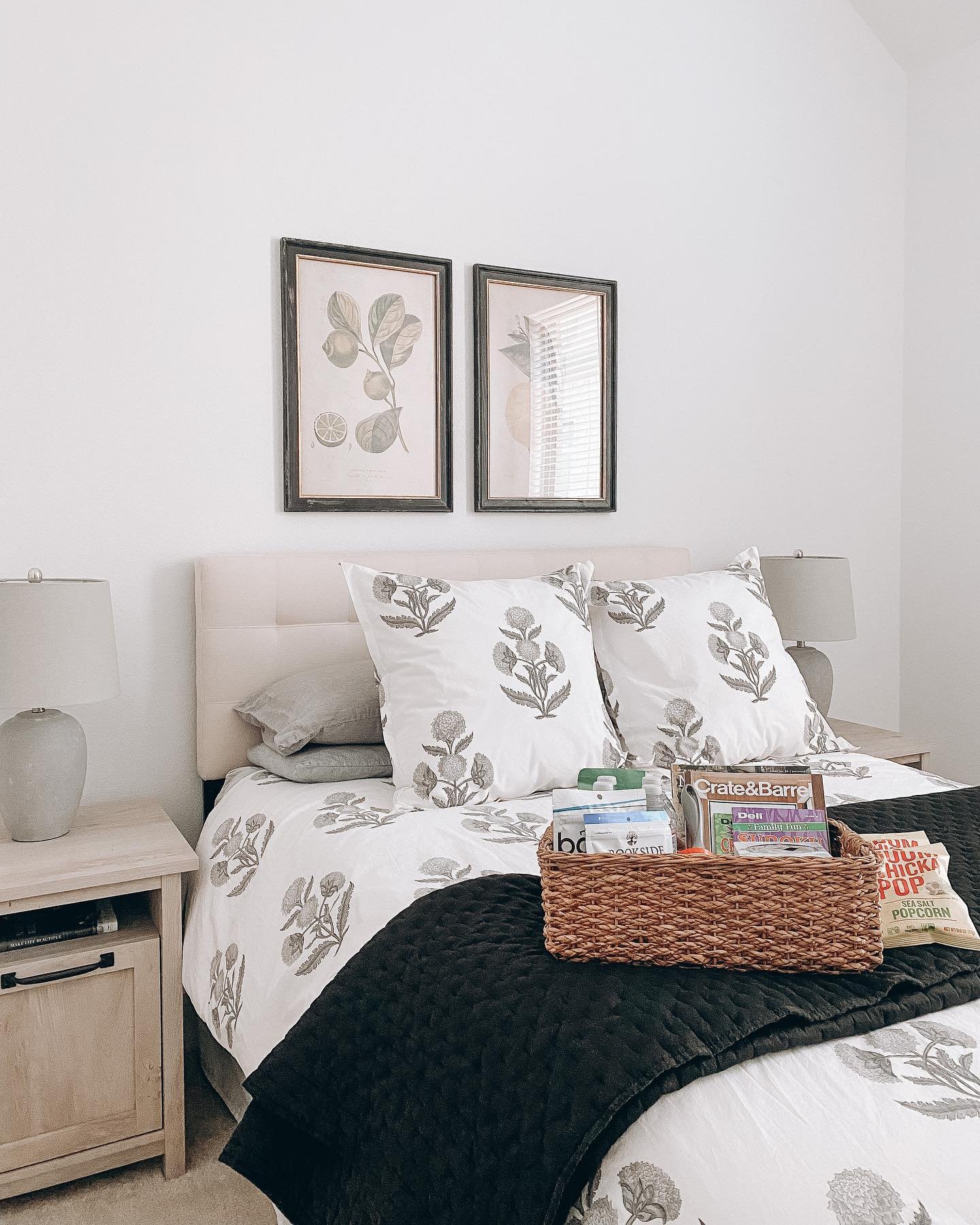
Fold them into a woven basket beside the sofa.
This looks intentional while keeping them easy to grab during movie night.
Chargers
Charging cables have a habit of spreading everywhere.
Dedicate one drawer or decorative storage box specifically for electronics.
No more tangled cords sitting across tables.
Books
Instead of leaving books on every surface, choose one shelf or one basket.
Once that space becomes full, it’s time to donate or rotate older books.
Simple limits naturally prevent clutter from building up.
Stop Using Flat Surfaces as Storage
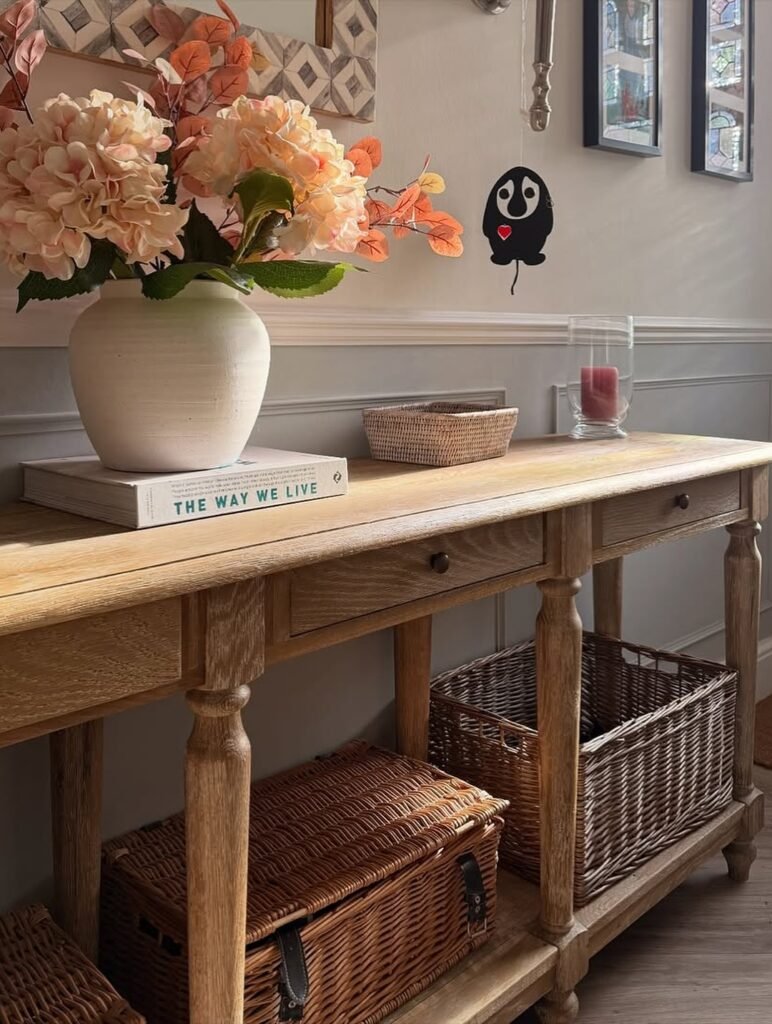
Coffee tables, side tables, and console tables seem to attract clutter like magnets.
Mail lands there.
Keys stay there.
Shopping receipts pile up.
Before long, every visible surface disappears.
Here’s the thing.
Flat surfaces are meant to make a room feel open.
The more objects sitting on them, the busier the entire space feels.
Try following one simple rule.
Every table should have only a few intentional items.
For example:
- A small plant
- A candle
- One decorative tray
- A favorite coffee table book
Everything else should live inside drawers, cabinets, or baskets.
You’ll be surprised how much larger your living room feels simply because the surfaces can actually be seen.
Make Storage Easy to Use
Organizing systems fail when they’re inconvenient.
If putting away a blanket requires opening two cabinets and moving three boxes, nobody will do it.
The best storage is the storage you’ll actually use.
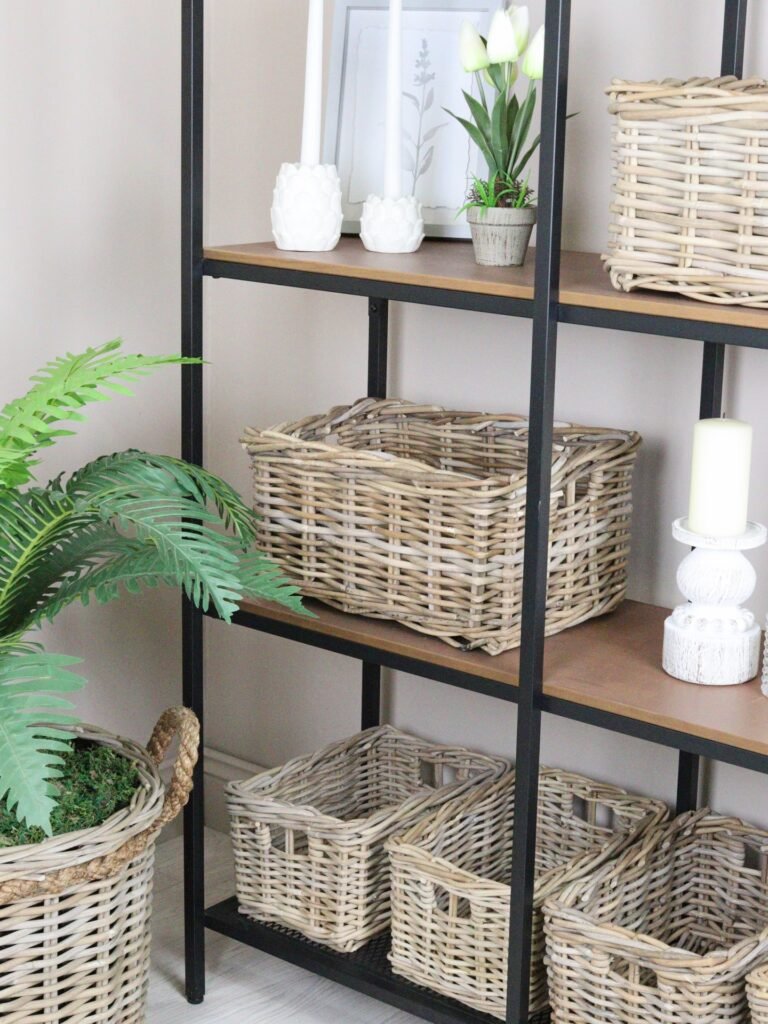
That’s why baskets remain one of the easiest ways to organize your living room.
They’re quick.
They’re attractive.
And they hide visual clutter without requiring perfect folding or stacking.
For example, instead of carefully arranging every throw pillow inside a cabinet each evening, simply place them into a large woven basket.
Done in ten seconds.
The same idea works for children’s toys, pet supplies, knitting projects, gaming controllers, or seasonal decorations.
Convenience always beats perfection when you’re trying to maintain an organized home.
Hide the Things You Need Without Hiding Your Personality
One mistake I see all the time is people trying to make their living room look like a furniture showroom. Everything is perfectly arranged, every shelf is empty, and there isn’t a single personal item in sight.
Sure, it looks nice for a photo, but it doesn’t feel like a home.
The goal isn’t to remove every sign that people actually live there. The goal is to make everyday items feel intentional instead of chaotic.
For example, instead of leaving your favorite throw blankets draped over every chair, fold two neatly into a basket by the couch. If your family loves board games, dedicate one cabinet or shelf just for them instead of letting game boxes pile up in random corners. Love reading? Display a handful of books on a shelf and store the rest somewhere else.
A tidy living room should still tell your story. It just shouldn’t tell it through clutter.
Choose Furniture That Works Double Duty
If you’re constantly wondering how to organize your living room so it always looks tidy, your furniture might be working against you.
The best-organized living rooms usually have furniture that offers hidden storage without making the room feel crowded.
Some practical options include:
Storage Ottomans
A storage ottoman is one of those pieces you’ll wonder how you ever lived without. It can hold blankets, toys, magazines, or even seasonal décor while also serving as a footrest or extra seating when guests come over.
Coffee Tables with Drawers
Instead of leaving remotes, coasters, chargers, and playing cards scattered across the tabletop, tuck them into built-in drawers. They’re still easy to grab, but they’re out of sight when you don’t need them.
TV Consoles with Cabinets
Open shelves tend to collect dust and make everything feel visually busy. Cabinets hide electronics, cables, game consoles, and accessories while keeping the room looking much cleaner.
You don’t need every piece of furniture to have storage, but adding just one or two multifunctional pieces can make a huge difference.
Create a Five-Minute Reset Routine
Here’s what actually keeps a living room looking tidy every day: tiny habits.
Not marathon cleaning sessions.
Not organizing every weekend.
Just a quick reset before you move on with your day.
A five-minute evening routine is usually enough.
Here’s an example:
Fold Blankets
Neatly fold throws and place them back in their basket.
Return Remotes
Put every remote back in its designated tray or basket.
Clear the Coffee Table
Take empty glasses, snack bowls, and random papers back where they belong.
Fluff the Pillows
It sounds simple, but straightening cushions instantly makes the whole room feel refreshed.
Put Away Loose Items
If something doesn’t belong in the living room, take it with you when you leave. Shoes go to the entryway. Mugs go to the kitchen. Backpacks go to bedrooms.
That’s it.
Five minutes every evening saves you from spending an hour cleaning on Saturday morning.
Don’t Ignore the Hidden Clutter
Visible clutter gets all the attention, but hidden clutter can create just as many problems.
If every drawer is stuffed so full that it barely closes, you’ll eventually stop putting things away altogether.
Every few months, take 20 or 30 minutes to go through your storage spaces.
Ask yourself:
- Have I used this in the past year?
- Does this still belong in the living room?
- Would I even notice if it disappeared?
Be honest.
Old instruction manuals, broken chargers, outdated magazines, empty boxes, and random cables rarely deserve valuable storage space.
The less crowded your cabinets are, the easier it becomes to maintain your organizing system.
Make It Easy for Everyone to Help
If you live with other people, organization shouldn’t depend on one person doing all the work.
The easier your systems are, the more likely everyone will actually use them.
For example:
- Keep toy baskets low enough for kids to reach.
- Use labeled bins if family members often forget where things belong.
- Store frequently used items where people naturally look for them.
- Avoid complicated storage solutions that require lots of steps.
Most people get this wrong by creating systems that only make sense to them.
Instead, think about how your family naturally behaves.
If everyone drops their keys on the console table, place a decorative bowl there instead of constantly asking them to stop.
Sometimes it’s easier to work with habits than against them.
Keep Decorative Accessories Simple
Decor can absolutely make your living room feel warm and inviting, but too many accessories quickly start looking like clutter.
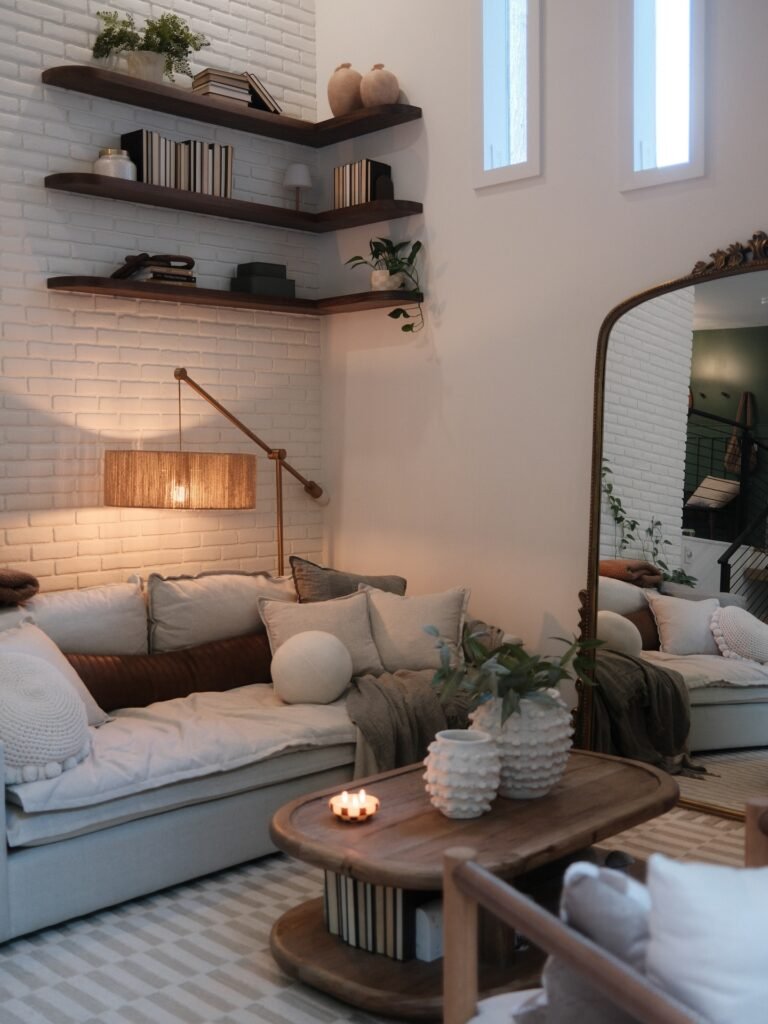
Instead of filling every shelf with small decorative objects, focus on fewer pieces with more impact.
A good approach is to mix different textures and heights without overcrowding the space.
For example:
- A large vase instead of several tiny ones
- One framed photo instead of a collection spread across every surface
- A plant to add life and color
- A candle or decorative bowl for warmth
When every shelf has room to breathe, the entire living room feels calmer.
It also makes dusting much easier, which is a bonus no one talks about enough.
Let Empty Space Do Some of the Work
This might be the hardest tip to follow because people often feel like every corner needs something.
It doesn’t.
Empty space isn’t wasted space.
It’s what gives your eyes a place to rest.
Leave a little breathing room on shelves.
Don’t push furniture against every wall just because you have room.
Avoid filling every tabletop with decorations.
A little empty space actually makes your favorite furniture and décor stand out more.
It also creates that clean, uncluttered feeling that so many people are trying to achieve.
Organization Isn’t About Perfection
If there’s one thing to remember, it’s this: a tidy living room isn’t one that stays spotless every second of the day.
Life happens.
Kids play.
Pets leave toys everywhere.
Friends come over.
Blankets get unfolded during movie night.
That’s completely normal.
The difference is that an organized room has simple systems that make putting everything back easy. When every item has a home, cleaning doesn’t feel overwhelming because you’re never starting from complete chaos.
Don’t feel like you need to organize your entire living room in one afternoon. Start with one shelf, one cabinet, or one corner. Build a few practical habits, and let those habits do the heavy lifting over time.
Once you figure out how to organize your living room so it always looks tidy, you’ll probably notice something unexpected. Your space won’t just look better—it’ll feel better too. Walking into a calm, organized room at the end of a busy day is a small change that can make a surprisingly big difference.