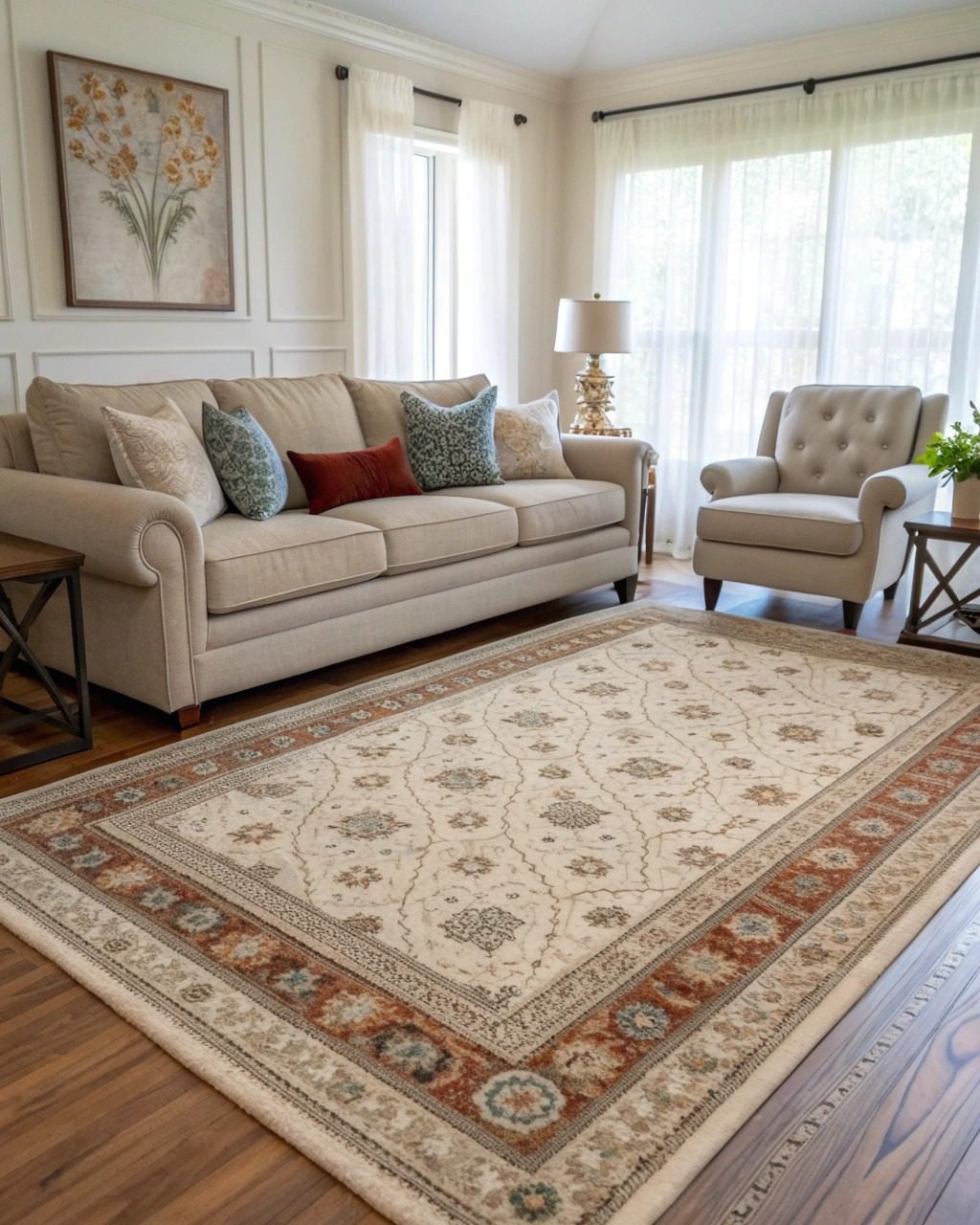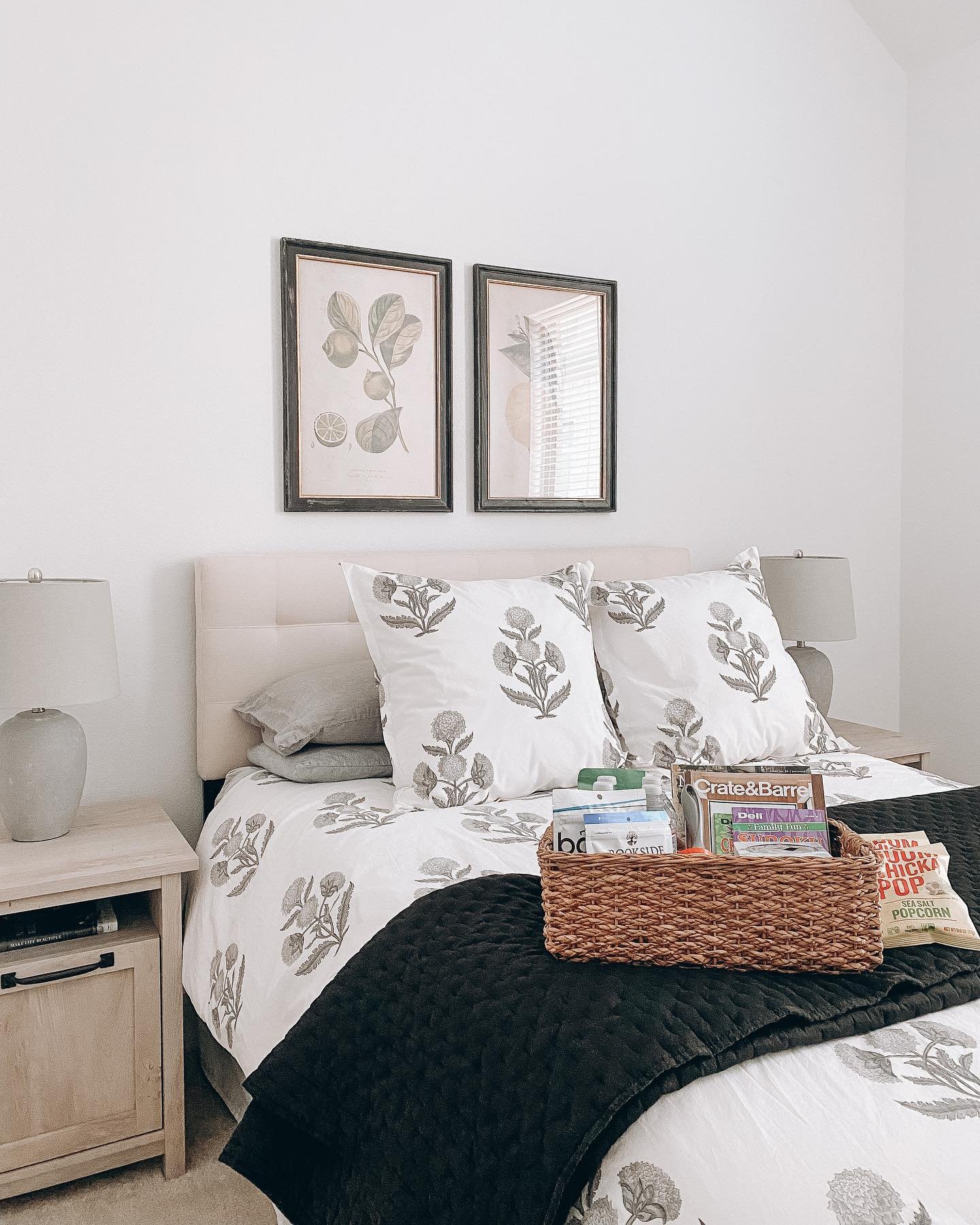

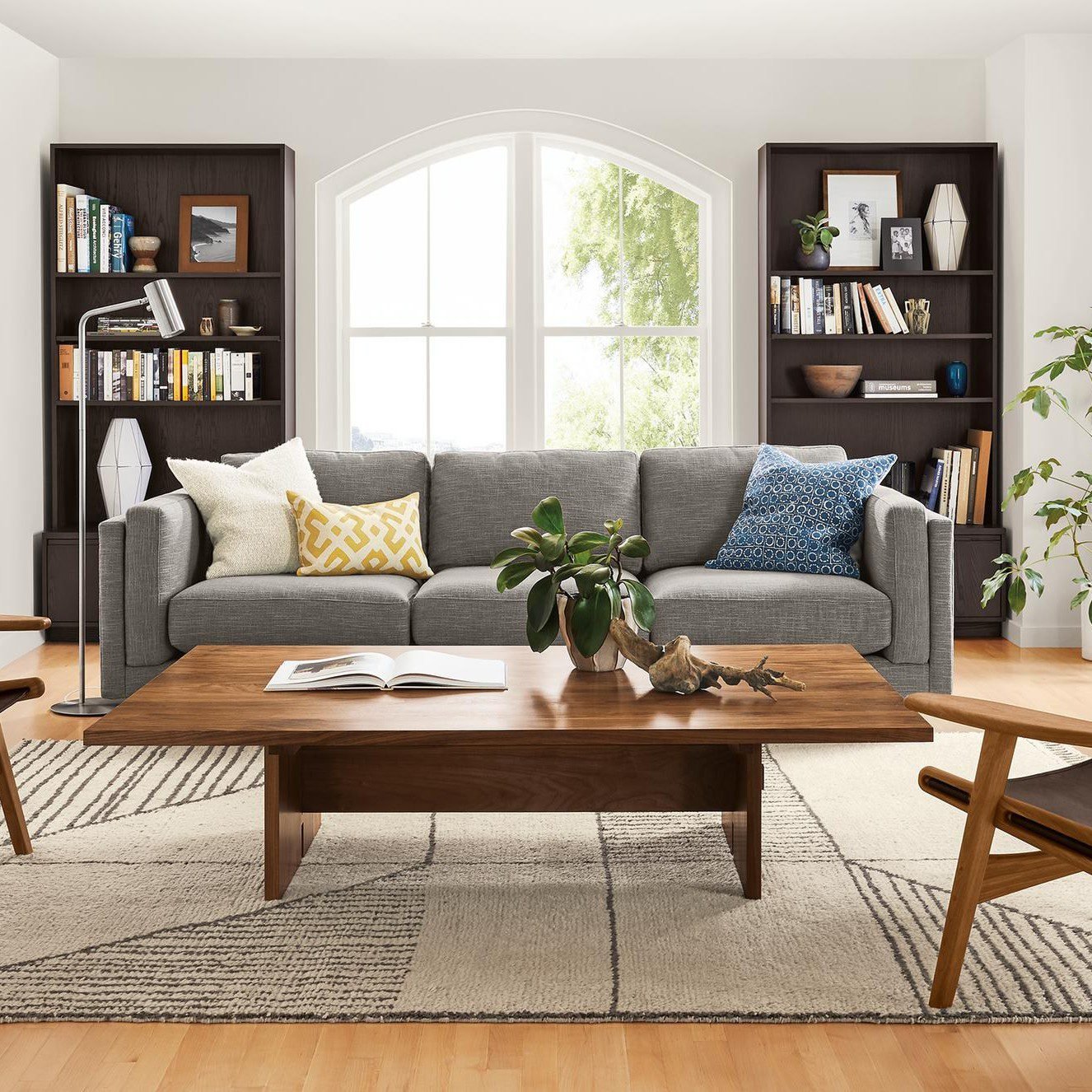
If you’ve ever stood in your living room staring at your oak floors, walnut coffee table, and random dark wood console thinking, “Why does this room feel weird?” you’re not imagining it. Mixing wood tones in home decor is one of those things that sounds easy until you actually try to do it. Then suddenly, everything feels mismatched, too orange, too dark, or like you accidentally inherited furniture from three completely different houses.
Here’s the thing: matching all your wood tones perfectly usually doesn’t make a room look better. In fact, it can make it look flat, stiff, and a little showroom-ish. Real homes almost always have a mix. The trick is making that mix feel intentional instead of accidental.
Most people get this wrong because they focus on whether the wood colors “match” exactly. That’s not what actually matters. What actually works is paying attention to undertones, contrast, balance, and repetition. Once you understand those pieces, mixing wood tones gets a whole lot easier — and honestly, your home ends up looking warmer, more layered, and more lived-in.
Why Mixing Wood Tones Actually Looks Better
A room with only one wood tone can feel overly coordinated in a way that doesn’t look natural. It’s the same reason a space with all matching furniture sets often feels a little dated. When every wood finish is identical, there’s no visual movement. Your eye has nowhere to go.
Mixing wood tones in home decor creates depth. It makes a room feel collected over time rather than bought all at once. That layered look is what gives a space personality. It also makes your home more flexible, because you’re not trapped into finding one exact finish every time you buy something new.
The reason this works comes down to contrast and variation. Our eyes like a little difference. A light oak dining table next to darker walnut chairs can feel rich and interesting, as long as the tones still relate to each other in some way. That relationship usually comes from undertones, overall warmth or coolness, and how the woods are distributed throughout the room.
So if your space feels flat, one-note, or weirdly “off,” the answer usually isn’t to replace everything. It’s to learn how to combine what you already have more thoughtfully.
The Biggest Mistakes People Make When They Mix Wood Tones
They try to match everything exactly
This is probably the most common mistake. People assume the safest choice is matching the coffee table to the floors, the media console to the dining table, and the side tables to all of the above. But when you force every piece into the same tone family, the room can start to feel overly controlled and kind of boring.
What actually works is coordination, not exact matching. You want wood tones to look like they belong in the same conversation, not like identical twins.
They ignore undertones
Most people look at wood and think only in terms of light, medium, or dark. But undertones are what really make or break the mix. Some woods pull yellow, some red, some orange, some gray, and some almost greenish-beige. Two medium-brown woods can clash badly if one has a strong red undertone and the other leans cool and ashy.
This is why a room can technically have “similar” wood furniture and still feel off. The depth may be close, but the undertones are fighting each other.
They use too many random finishes
There’s a difference between a layered home and a chaotic one. If every wood piece in the room is a totally different color, the result can feel scattered. That usually happens when people keep adding pieces one by one without stepping back to see the room as a whole.
A better approach is to choose two or three main wood tones and repeat them. Repetition is what makes a mix feel intentional.
They forget about the rest of the room
Wood doesn’t exist in a vacuum. The wall color, rug, metal finishes, upholstery, and lighting all affect how wood tones read. A honey oak dresser can feel warm and charming in a creamy room, but way too orange against a cool gray wall.
Most people get this wrong by judging wood pieces in isolation. What matters is how they look with everything else around them.
The Main Rule: Pay Attention to Undertones First
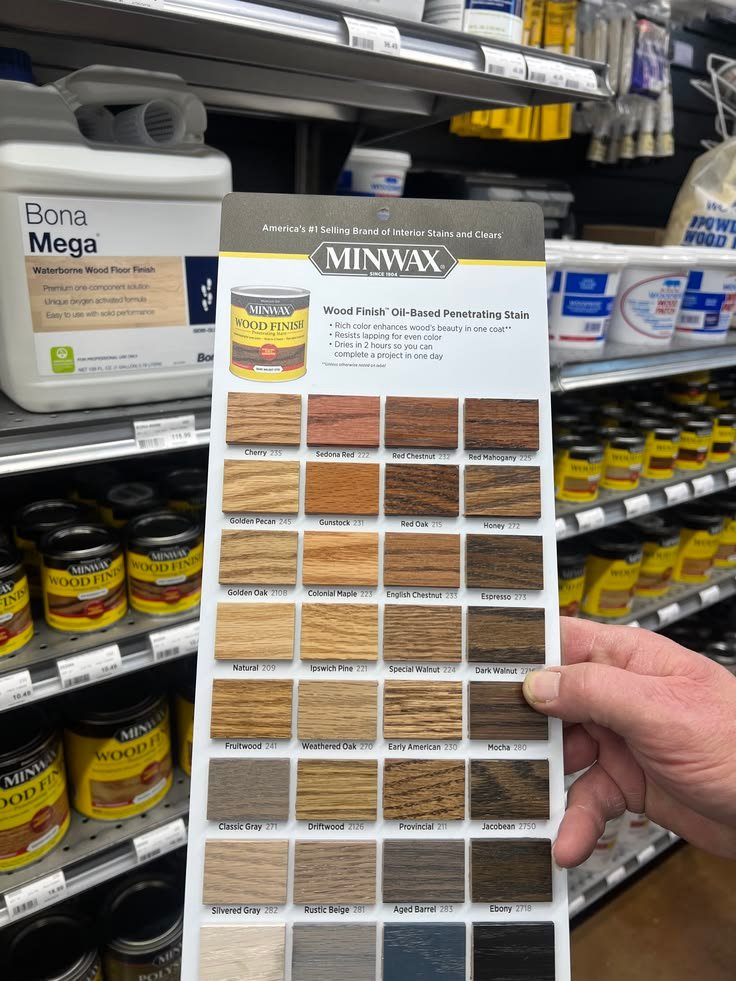
If you only remember one thing about how to mix wood tones in home decor, make it this: undertones matter more than shade depth.
Warm undertones
Warm woods tend to have yellow, orange, red, or golden bases. Think cherry, honey oak, or some warm walnuts. These finishes usually pair well with warm neutrals, creamy whites, beige, rust, terracotta, and brass.
Cool undertones
Cool woods often lean gray, taupe, or ashy brown. These tend to work better in rooms with crisp whites, cooler grays, black accents, or more modern styling.
Neutral undertones
Some woods sit somewhere in the middle and are much easier to work with. White oak is a good example. It often acts like a bridge between warmer and cooler pieces, which is one reason it’s so popular right now.
Here’s a practical example. Let’s say you have medium-toned hardwood floors with an orange undertone, and you bring in a dining table with a cool gray-brown finish. Even if both are technically medium wood, they can look disconnected because the temperature is off. But if you choose a slightly darker brown with a warm undertone, the contrast feels deliberate instead of jarring.
That’s why shopping by “light,” “medium,” or “dark” alone usually leads to frustration.
How to Mix Wood Tones in Home Decor Step by Step
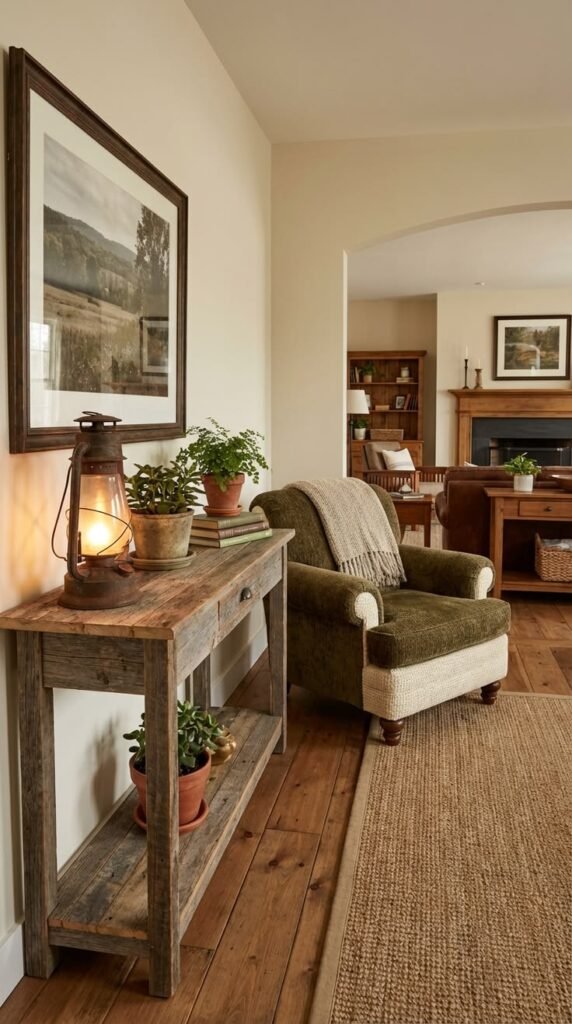
Step 1: Identify your dominant wood tone
Every room usually has one wood finish that’s hardest to change. Most of the time, that’s the floor. Sometimes it’s kitchen cabinets, a built-in, or a large dining table.
This dominant wood tone becomes your anchor. You don’t need to match it exactly, but you do need to respect it. If your floors are warm medium oak, that tone is going to influence every other wood choice in the room whether you like it or not.
Start there and ask:
- Is it warm, cool, or neutral?
- Is it light, medium, or dark?
- Does it feel casual, rustic, refined, modern, or traditional?
That last part matters more than people think. A sleek dark espresso piece might not work with pale rustic floors, even if the undertones technically coordinate.
Step 2: Add contrast on purpose
Once you know your dominant tone, the next move is contrast. This is where the room starts to feel layered instead of accidental.
If your floors are medium-toned, don’t choose every other piece in almost-the-same-but-not-quite medium wood. That in-between zone is where rooms often look the most awkward. Slightly different woods can read like a failed match.
What actually works is going lighter or darker enough that the difference looks intentional.
For example:
- Light oak floors, add a medium walnut coffee table or dark sideboard.
- Dark wood floors, add lighter wood chairs, a blonde bench, or natural oak shelves.
- Medium honey floors, try a clearly darker dining table or lighter accent tables.
The contrast creates separation, which helps each piece look chosen rather than mismatched.
Step 3: Repeat each tone at least twice
This is one of the easiest styling tricks and it makes a huge difference. If one wood tone appears only once in a room, it can look random. But if you repeat it, your eye reads it as part of the design.
Say you bring in a dark walnut coffee table to contrast with lighter oak floors. If that walnut tone appears nowhere else, it may feel heavy and isolated. But add walnut picture frames, a chair with walnut arms, or a darker wood tray on a shelf, and suddenly it feels connected.
This is how you create rhythm in a space. You’re not just placing furniture. You’re building relationships between finishes.
Step 4: Use a bridge piece
Sometimes two wood tones don’t naturally sit well together on their own. That’s where a bridge piece helps.
A bridge piece is something that contains both tones or visually softens the transition between them. This could be:
- A rug that sits between wood floor and wood table.
- A cane or mixed-material chair with wood and upholstery.
- A table that combines wood with black metal.
- Decor that includes several warm earth tones and helps unify the palette.
For example, if you have cool-toned wood floors and a warmer antique dresser you love, a neutral rug and warm accessories can help the contrast feel intentional rather than like a mistake.
Step 5: Balance the visual weight
Not all wood tones carry the same visual weight. Dark woods feel heavier. Light woods feel airier. If you put all the dark wood on one side of the room and all the light wood on the other, the space can feel lopsided even if you can’t immediately explain why.
Spread the tones around. If you have a dark media console on one wall, maybe repeat that darker tone with a side table across the room. If your dining table is very light, balance it with another pale wood element nearby so it doesn’t feel disconnected.
This matters a lot in open-concept spaces, where one area flows directly into another. You want the wood tones to move through the space in a way that feels steady, not abrupt.
Best Wood Tone Combinations That Usually Work
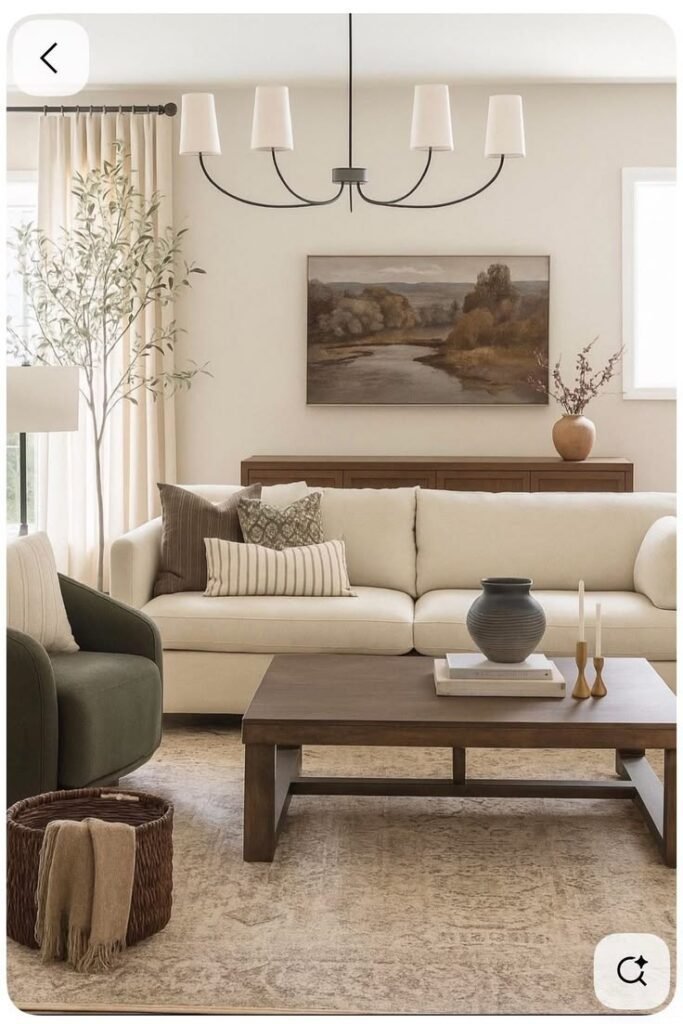
Some combinations are just easier to pull off than others.
Light oak and walnut
This pairing works because it has enough contrast to feel interesting, but it still feels warm and natural. It’s especially good in living rooms and dining rooms where you want a mix of softness and depth.
White oak and black-stained wood
This one feels more modern. The pale wood keeps the room from feeling too stark, while the black or near-black finish adds structure and definition.
Honey wood and deep brown
If your home has builder-grade golden oak floors or cabinets, don’t panic. Most people try to fight that tone, and that’s where things go sideways. Instead, pair it with deeper warm browns, creamy textiles, and a few black accents to ground the space.
Reclaimed wood with cleaner finishes
Rustic wood can look amazing next to smoother, more refined pieces because the contrast adds texture. This works especially well in homes that don’t want to lean too farmhouse or too modern.
How to Handle Orange Oak, Red Cherry, or Dark Espresso
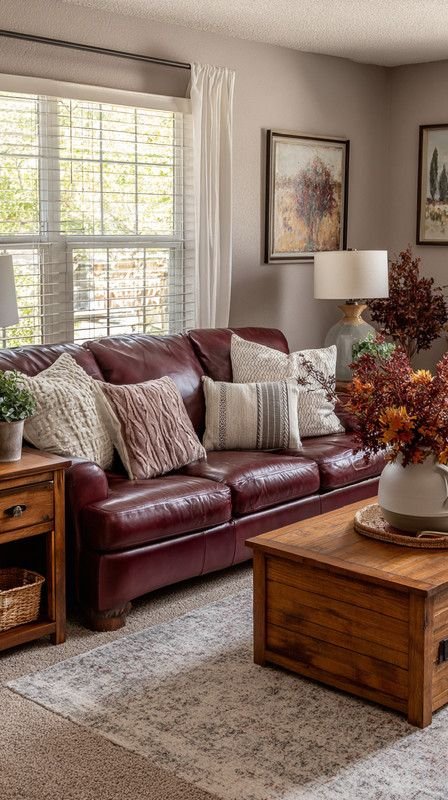
These are the wood tones people struggle with most, usually because they feel dated. But dated doesn’t always mean unusable.
Orange oak
Most people get this wrong by trying to pair orange oak with cool gray wood. It almost always makes the oak look more orange. What actually works is leaning into warmth just enough to make it feel intentional. Think creamy paint, warm whites, muted greens, soft taupe, and medium-to-dark warm browns.
Red cherry
Cherry can be beautiful, but it needs the right support. Keep nearby woods either clearly lighter or clearly darker, and avoid adding more red-toned pieces unless you want a very traditional look. Neutral upholstery helps a lot here because it calms the redness.
Dark espresso
Espresso furniture can feel heavy fast, especially when paired with other dark woods. The fix is contrast. Add lighter woods, textured fabrics, and softer finishes so the room doesn’t feel weighed down.
Practical Tips That Make a Room Feel Pulled Together
Let one piece be the star
Not every wood item needs equal attention. If you have a gorgeous wood dining table, let that be the main statement and keep surrounding finishes quieter. Too many competing wood pieces can make the room feel busy.
Use textiles to break up wood-on-wood
If you have wood floors, a wood coffee table, and wood side tables, add softness with rugs, curtains, and upholstery. This gives the eye somewhere to rest and stops the room from feeling hard or repetitive.
Watch the sheen, not just the color
A glossy reddish-brown wood and a matte reddish-brown wood can look surprisingly different. Finish affects how a tone reads. Matte and satin finishes usually mix more easily than shiny ones because they feel more relaxed and less formal.
Don’t judge a piece under store lighting
Wood tones shift a lot depending on natural light, bulbs, and surrounding colors. If possible, bring samples home or at least compare finishes next to photos of your space. This saves so many regrets.
Use black, white, and natural fibers as neutralizers
If your room has several wood tones and you’re trying to make them all play nicely together, black accents, white walls, linen, jute, and woven textures can help. They act like visual breathing room.
What Actually Works in Real Homes
In real life, most homes are not perfectly curated from scratch. You have old floors, inherited furniture, one random thrifted side table, and something you panic-bought online at 11 p.m. That’s normal.
The goal isn’t perfection. It’s intention.
A room tends to look good when the wood tones feel balanced, repeated, and connected to the rest of the space. That’s it. You do not need every finish to match. You do need each piece to make sense with the room around it.
If you’re unsure, start small. Try mixing wood tones in home decor with accent furniture first: a side table, bench, frame, or shelf. Once you see how much better a room feels with some contrast and variation, it gets a lot less intimidating.
Mixing wood tones is one of those decorating skills that sounds picky, but it honestly changes everything. When you stop trying to match and start paying attention to undertones, contrast, and repetition, your home instantly feels more layered and more believable. That’s the difference between a room that looks thrown together and one that looks lived-in in the best way.