
If you live in a small home, apartment, studio, or even just have one room that always feels cramped, you already know the frustration. No matter how often you clean, it can still look crowded. You move furniture around, buy a cute basket, maybe add a lamp, and somehow the space still feels… off. Smaller than it should. Darker than it should. More chaotic than it actually is.
Here’s the thing: small spaces usually don’t feel bad because they’re small. They feel bad because they’re working too hard. Too much furniture, too many little items, bad lighting, awkward layouts, and decor that chops up the room instead of opening it up. That’s what makes a space feel tight.
The good news is you do not need a major renovation or a huge budget to fix it. If you know how to style a small space so it feels bigger, you can make even a compact room feel lighter, calmer, and way more functional. What actually works is being intentional with scale, light, layout, and visual breathing room. Once you understand that, everything gets easier.
Mistakes That Make a Small Space Feel Smaller
Most people get this wrong because they focus on decorating first and solving the room second. They start with what looks cute online instead of what helps the space function better.
Using too many small pieces
This is one of the most common mistakes. People assume small room equals small furniture. So they fill the room with lots of tiny items: a narrow chair, a little side table, a skinny shelf, several decor accents, and multiple storage bins.
But visually, that creates clutter.
A room with too many small pieces feels busy because your eye has to stop at every object. That creates visual noise. Ironically, one medium-sized sofa and one substantial coffee table often make a small living room feel more open than five tiny scattered pieces.
What actually works is choosing fewer, better pieces that feel intentional.
Pushing all the furniture against the wall
This sounds logical, but it often backfires. People think pushing everything to the edges will create more open space in the middle. Sometimes it does. But often it leaves the room feeling flat and awkward, especially in living rooms.
When furniture is glued to every wall, the room can start to feel like a waiting area instead of a home. A sofa pulled just a few inches off the wall, or a chair angled slightly inward, can make the room feel more balanced and designed.
Ignoring lighting layers
Bad lighting can make even a decent room feel cramped. One overhead light in the center of the ceiling rarely does a small space any favors. It creates harsh shadows, makes corners look dim, and flattens the room.
If you want to style a small space so it feels bigger, brighter, lighting matters just as much as furniture. Probably more.
Over-decorating every surface
A small room needs breathing room. That doesn’t mean it has to feel empty or boring. It just means every shelf, tabletop, windowsill, and wall does not need something on it.
Too many accessories make a room feel visually crowded, even if it’s technically clean. This is especially true when the decor is all different heights, colors, and materials.
The Core Principles That Actually Make a Small Space Feel Bigger
Before getting into specific room ideas, it helps to understand why some spaces feel calm and open while others feel cramped.
Visual simplicity creates spaciousness
This does not mean everything has to be white, plain, or minimalist. It means the room should feel easy for the eye to read.
When colors, shapes, and materials work together instead of competing, the room feels more spacious. A tight color palette, repeated finishes, and furniture with some visual consistency can make a huge difference.
For example, if your small bedroom has black furniture, a warm wood nightstand, a chrome lamp, a bright pink throw, patterned bedding, and three different wall art styles, it will feel more chaotic than cozy. But if you simplify the palette and repeat similar tones, the room instantly feels calmer.
Light reflection changes everything
Bright spaces feel bigger because light removes visual heaviness. Natural light is ideal, but reflected light matters too.
Mirrors, light wall colors, sheer curtains, glass surfaces, and even satin or soft matte finishes can help bounce light around the room. This doesn’t mean you need a stark white box. It means you want the room to catch and spread light instead of absorbing it.
Clear floor space matters more than people think
You do not need tons of empty floor, but you do need some visible floor. When you can see more of the floor, the room feels more open.
That’s why furniture on legs often works so well in a small room. A sofa, console, or bed frame that sits slightly off the ground lets the eye travel underneath it. That small visual gap makes the room feel less packed.
Scale matters more than size
These sound similar, but they are not the same. Size is how big something is. Scale is how that item relates to the room and to everything else in it.
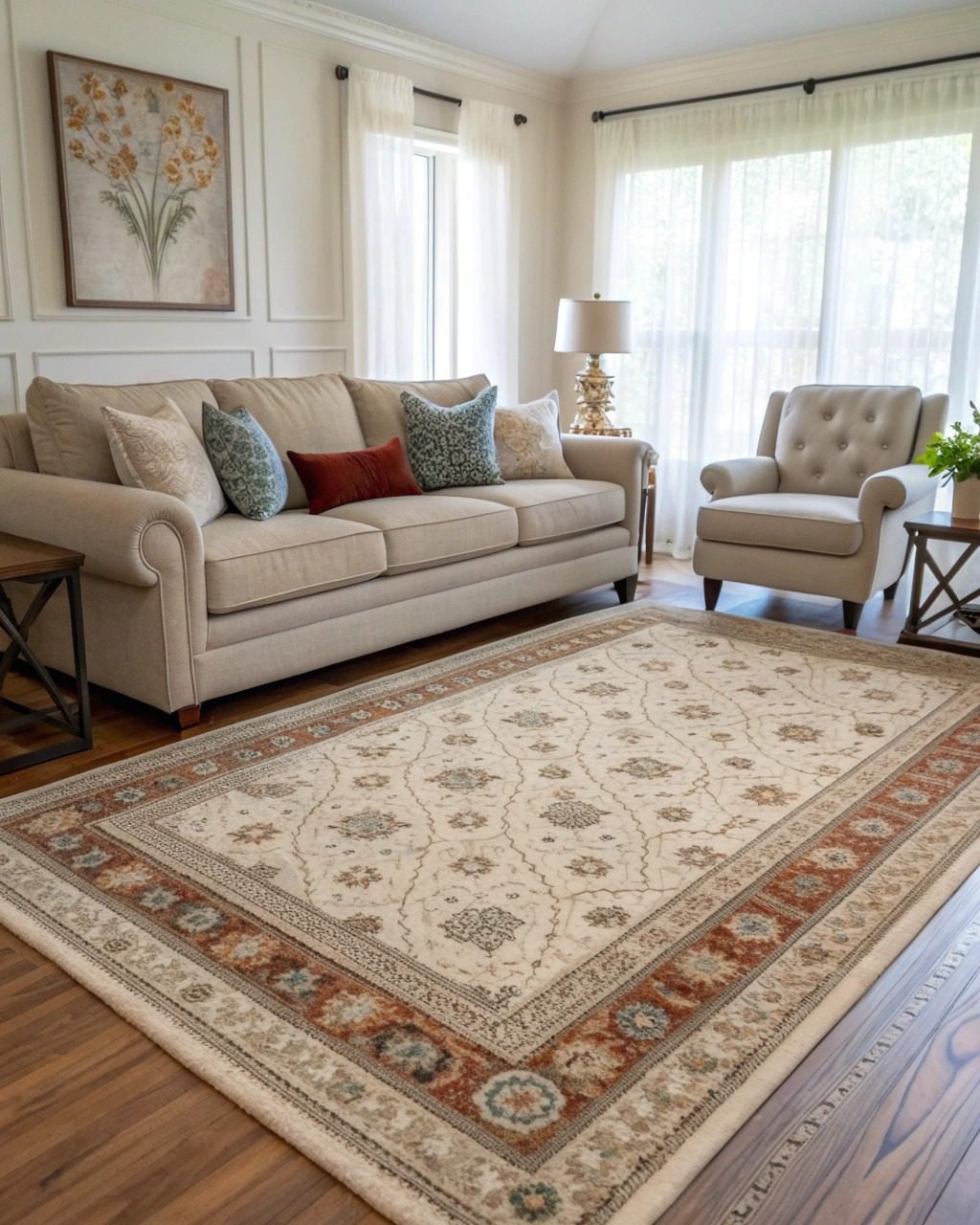
A large rug can actually make a small room feel bigger because it unifies the furniture instead of breaking the room into little zones. A too-small rug does the opposite. Same with artwork. One larger piece often works better than a cluster of tiny frames.
How to Style a Small Space So It Feels Bigger, Step by Step
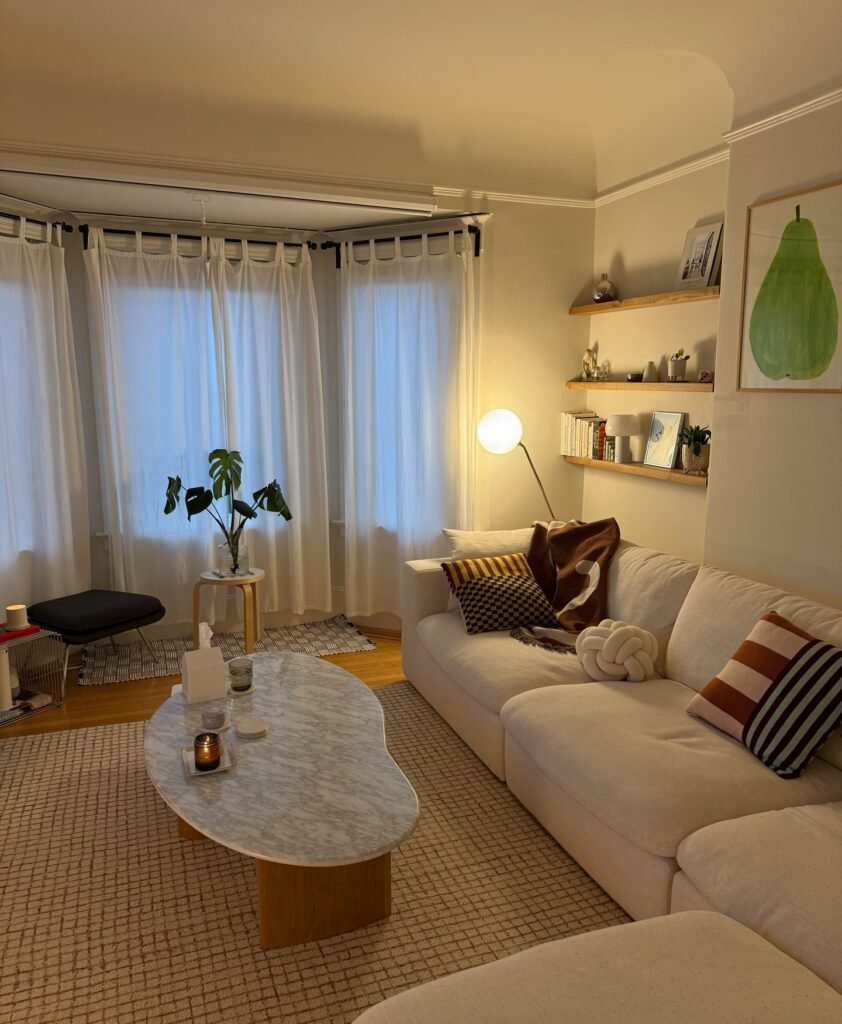
If you want real change, do this in order. Don’t start by buying decor. Start by editing.
Step 1: Remove what is making the room work harder
Walk into the room and ask one honest question: what in here is visually heavy, unnecessary, or badly placed?
That might be:
- An extra side table you barely use
- A bulky chair that blocks movement
- Storage baskets sitting out in the open
- Tiny decor pieces scattered everywhere
- Dark curtains that kill natural light
Most people try to improve a room by adding. Small spaces usually improve faster when you subtract first.
A good rule: if an item is not useful, beautiful, or helping with storage, it may be taking up valuable visual space.
Step 2: Fix the layout before you touch the decor
Layout is everything in a small room. If the furniture placement is wrong, no amount of pretty styling will save it.
Focus on flow first. You should be able to move through the room without squeezing around corners or weaving between furniture. Leave clear walking paths, and avoid blocking windows whenever possible.
In a small living room, for example, try centering the main seating area around one focal point instead of spreading furniture randomly around the room. In a bedroom, make sure the bed placement doesn’t force the rest of the room into awkward leftover zones.
Here’s the thing: a room feels bigger when it feels easier to move through.
Step 3: Choose furniture that earns its place
Every piece should do something important. In a small space, furniture cannot afford to be dead weight.
That doesn’t mean every item has to be multifunctional, but it should justify its footprint. Think:
- An ottoman with storage
- A narrow console behind a sofa
- A nightstand with drawers
- A dining bench that tucks fully under the table
- A wall-mounted shelf instead of a chunky bookcase
What actually works is mixing usefulness with visual lightness. For example, a glass coffee table can keep a room from feeling blocked, while a storage ottoman can reduce clutter without adding another piece.
Step 4: Use one consistent color direction
This is one of the easiest ways to style a small space so it feels bigger without spending much money.
When the room has too many unrelated colors, it feels chopped up. A more connected palette makes it feel smoother and more expansive.
That does not mean everything must match exactly. It just means the colors should relate. A small room often looks best when you choose:
- A main base color
- One or two supporting neutrals
- One accent color used sparingly
Soft warm whites, greige, beige, pale taupe, muted sage, dusty blue, and warm grays tend to work well because they brighten without feeling cold. If you love darker tones, use them in controlled ways through pillows, art, or one grounding furniture piece.
Step 5: Layer lighting like you mean it
If your room only has one ceiling light, fix that first.
Good lighting creates depth. It pulls attention into different parts of the room and softens harsh edges. In a small space, that helps the room feel fuller in a good way, not more crowded.
Aim for at least two or three light sources in one room:
- Overhead lighting for general brightness
- A table lamp or floor lamp for warmth
- Accent lighting like sconces or a small lamp on a shelf
Warm white bulbs usually feel more inviting than overly cool ones. And if a corner looks dark, it will make the whole room feel smaller than it really is.
Smart Styling Tricks That Make a Real Difference
These are the details that take a room from “fine” to “why does this suddenly feel so much better?”
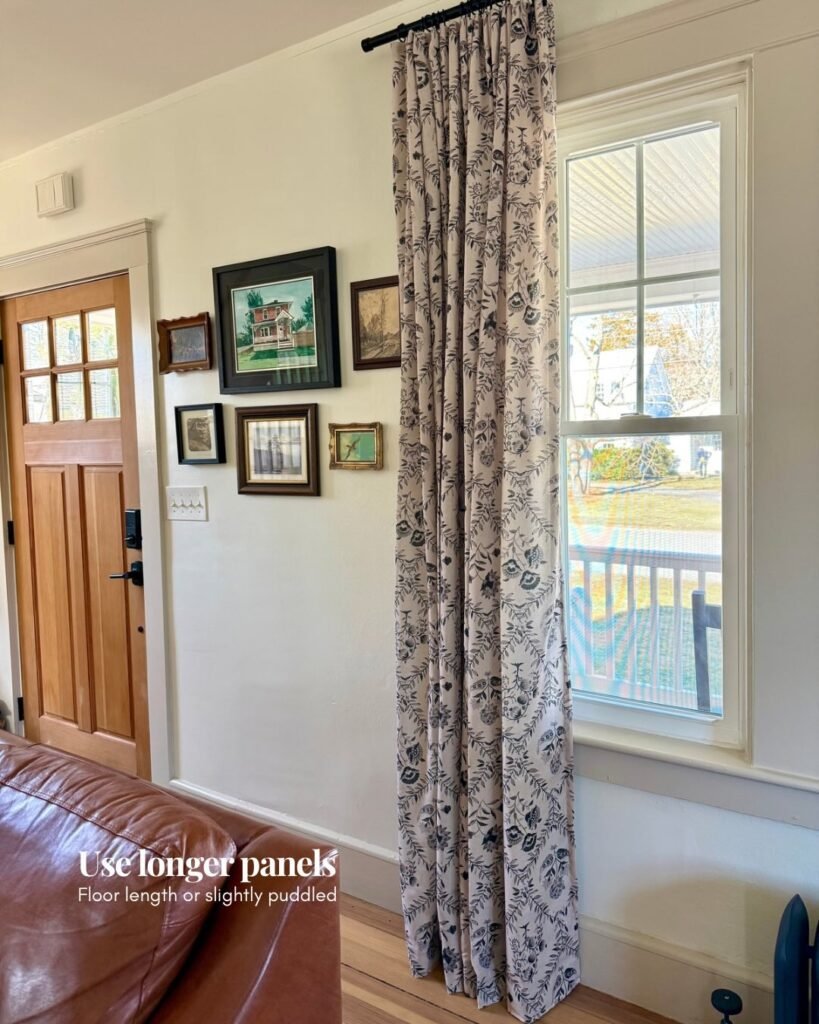
Hang curtains higher and wider
This trick works because it changes how you read the wall. Mounting curtains closer to the ceiling makes the room feel taller. Extending the rod wider than the window makes the window appear larger and lets in more light when the curtains are open.
Most people hang curtains too low and too narrow. It is a small mistake that has a surprisingly big effect.
Use mirrors strategically, not randomly
A mirror can absolutely help a small room feel brighter, but only if it reflects something useful. A mirror across from a window can bounce natural light beautifully. A mirror reflecting a cluttered shelf just doubles the mess.
Think about what the mirror is actually showing.
Keep decor grouped, not scattered
Scattered decor makes a room feel restless. Grouped decor feels intentional.
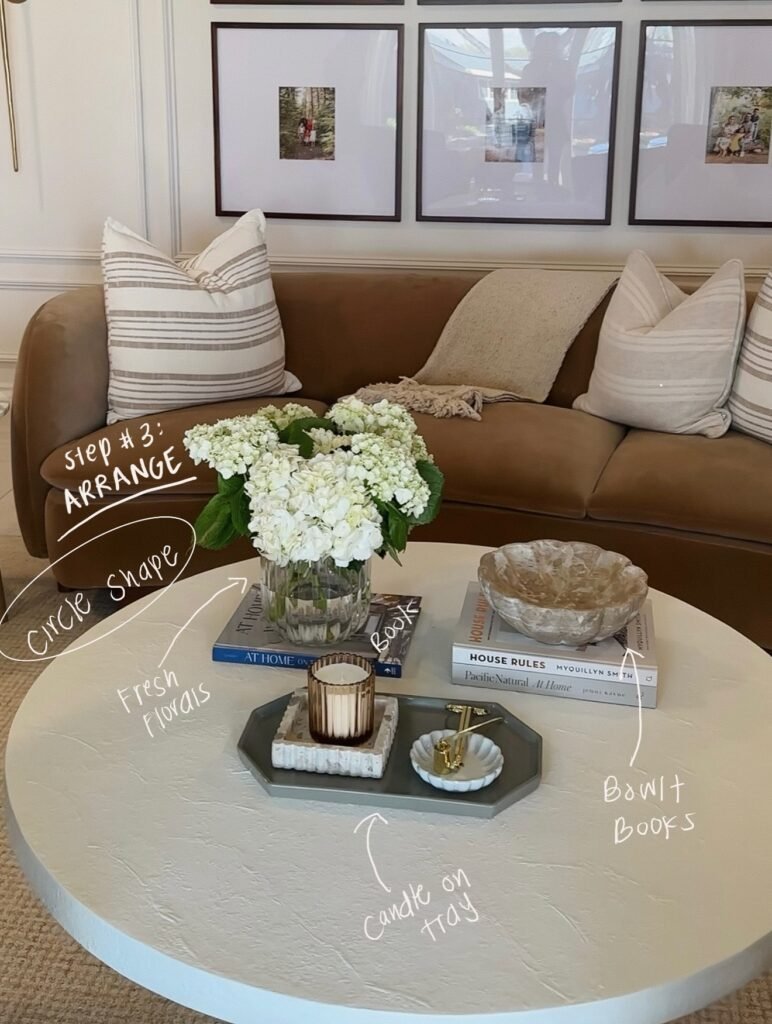
Instead of placing one small candle on one surface, one vase on another, and one frame somewhere else, create a simple styled moment in one area. Maybe a tray on the coffee table with a candle, a small bowl, and one book. That reads cleaner than random pieces all over the room.
Let some walls stay quiet
Not every wall needs art. Seriously.
In a small space, blank wall area can be a good thing. It gives the eye a place to rest. If every wall is filled, the room starts to feel boxed in.
One larger piece of art often works better than a gallery wall made up of tiny frames, especially if the room already has a lot going on.
Room-by-Room Advice That Actually Helps
Small living room
The main goal here is to create comfort without crowding. Choose seating that fits the room but still has presence. Use a rug large enough to anchor the furniture. Keep the coffee table proportionate, and avoid filling every corner just because it’s empty.
If storage is an issue, go vertical with one tall cabinet or clean-lined shelving unit rather than several little baskets and bins spread around the room.
Small bedroom
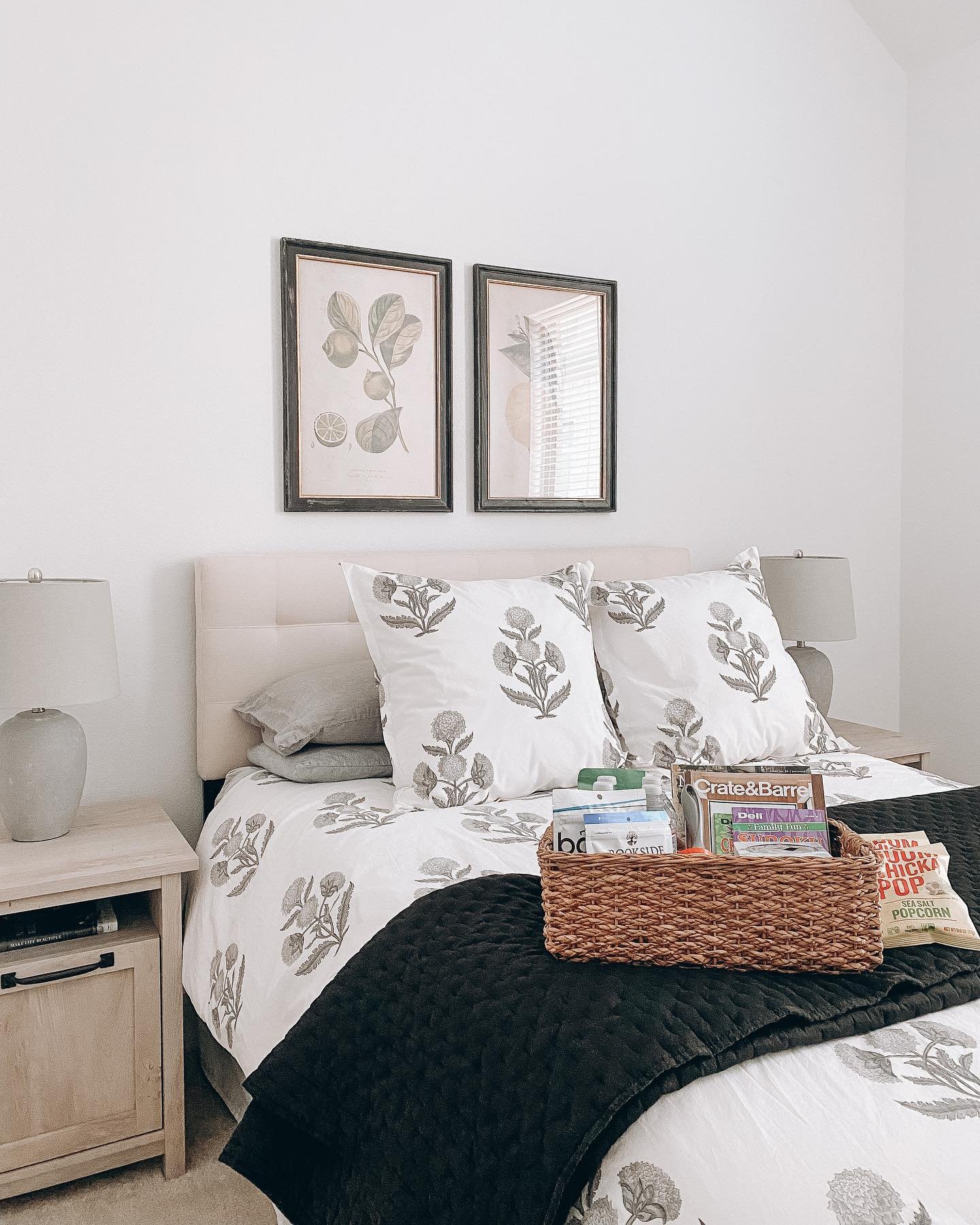
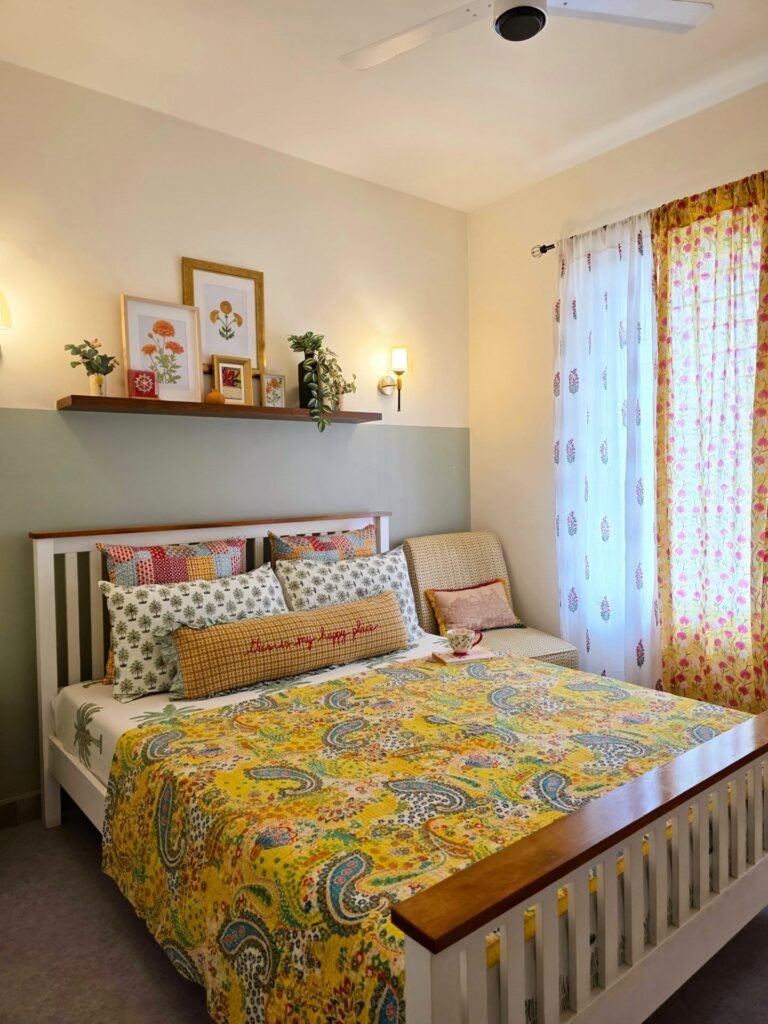
A small bedroom feels best when it’s calm, not overly styled. Keep bedding simple, reduce extra furniture, and make sure your nightstands are scaled properly. Wall-mounted sconces can free up surface space, and under-bed storage can eliminate the need for extra pieces.
Most people get this wrong by trying to squeeze in too much furniture. If the dresser barely fits and blocks movement, it is not worth it.
Small dining area
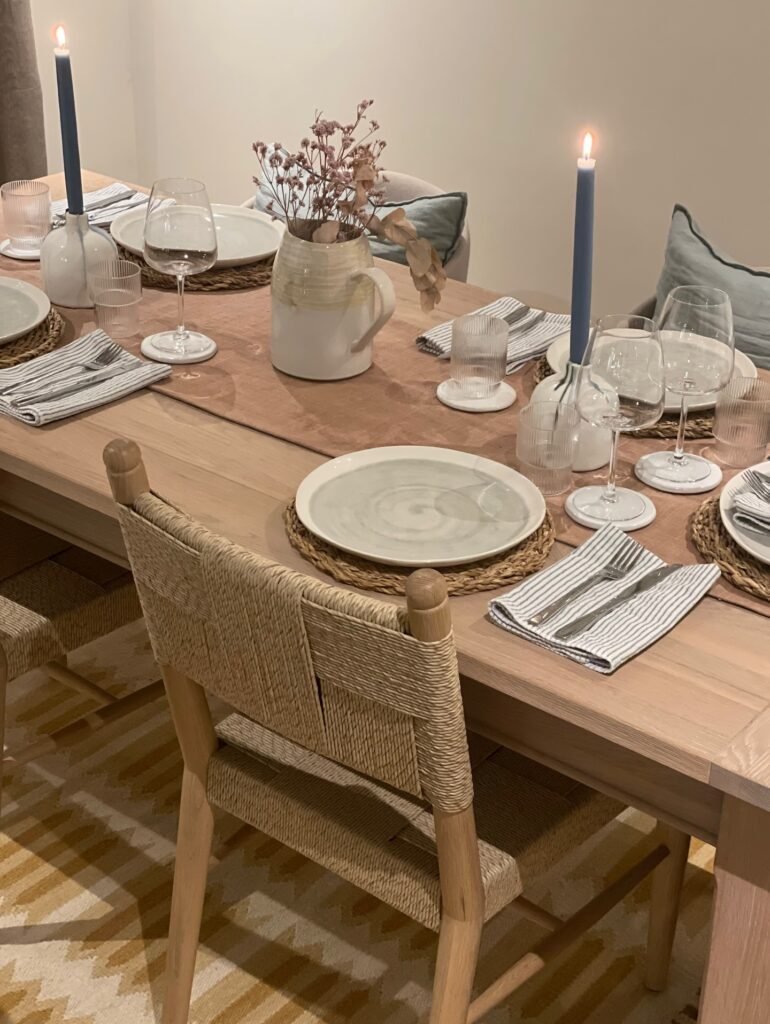
Use chairs that tuck in neatly, and consider a round table if the room is tight. A banquette or bench can also save space and soften the layout. Keep the centerpiece low and simple so the table does not always look busy.
Lighting matters here too. A pendant or chandelier hung at the right height can define the space without taking up any floor area.
What to Buy Less of
If you’re trying to style a small space so it feels bigger, brighter, and more pulled together, buy less of these:
- Tiny decor objects that create clutter
- Furniture with bulky arms or thick bases
- Heavy blackout curtains in already dark rooms
- Multiple storage bins that stay visible
- Rugs that are too small
- Trendy pieces that do not solve an actual problem
Honestly, this is where a lot of small spaces go off track. People keep adding “solutions” that become more stuff to manage.
The Best Mindset Shift for Small-Space Decorating
Here’s the thing: the goal is not to make your home look bigger than it is. The goal is to make it feel better than it does now.
That usually comes from editing more, choosing better, and resisting the urge to fill every gap. A small space can feel incredibly inviting when it has enough light, a smart layout, and some breathing room. It does not need to be perfect. It just needs to feel intentional.