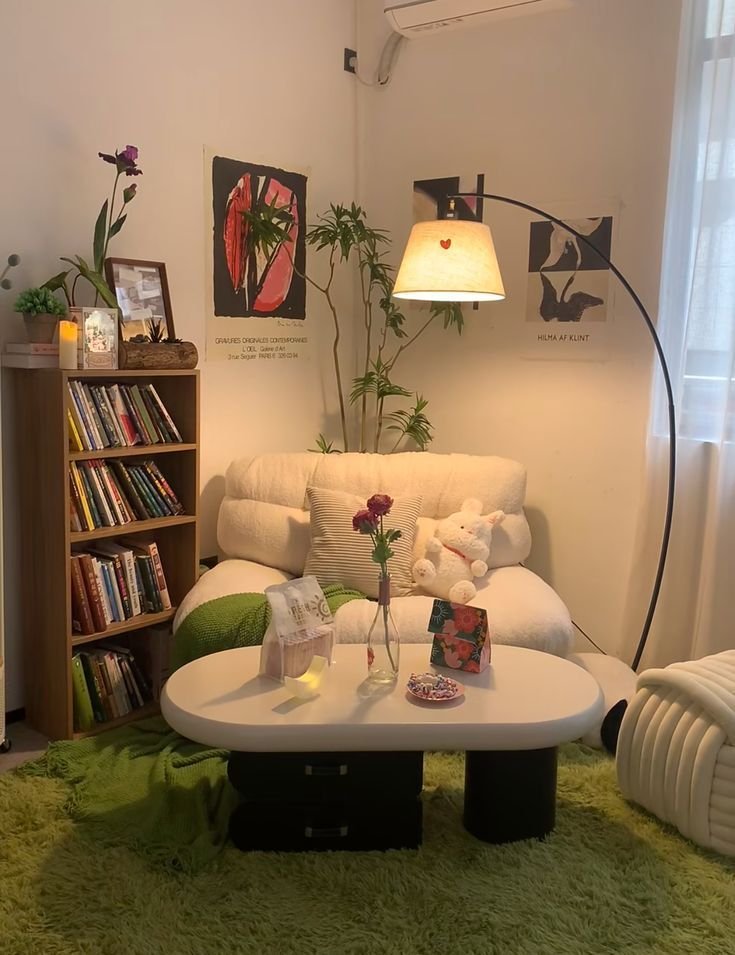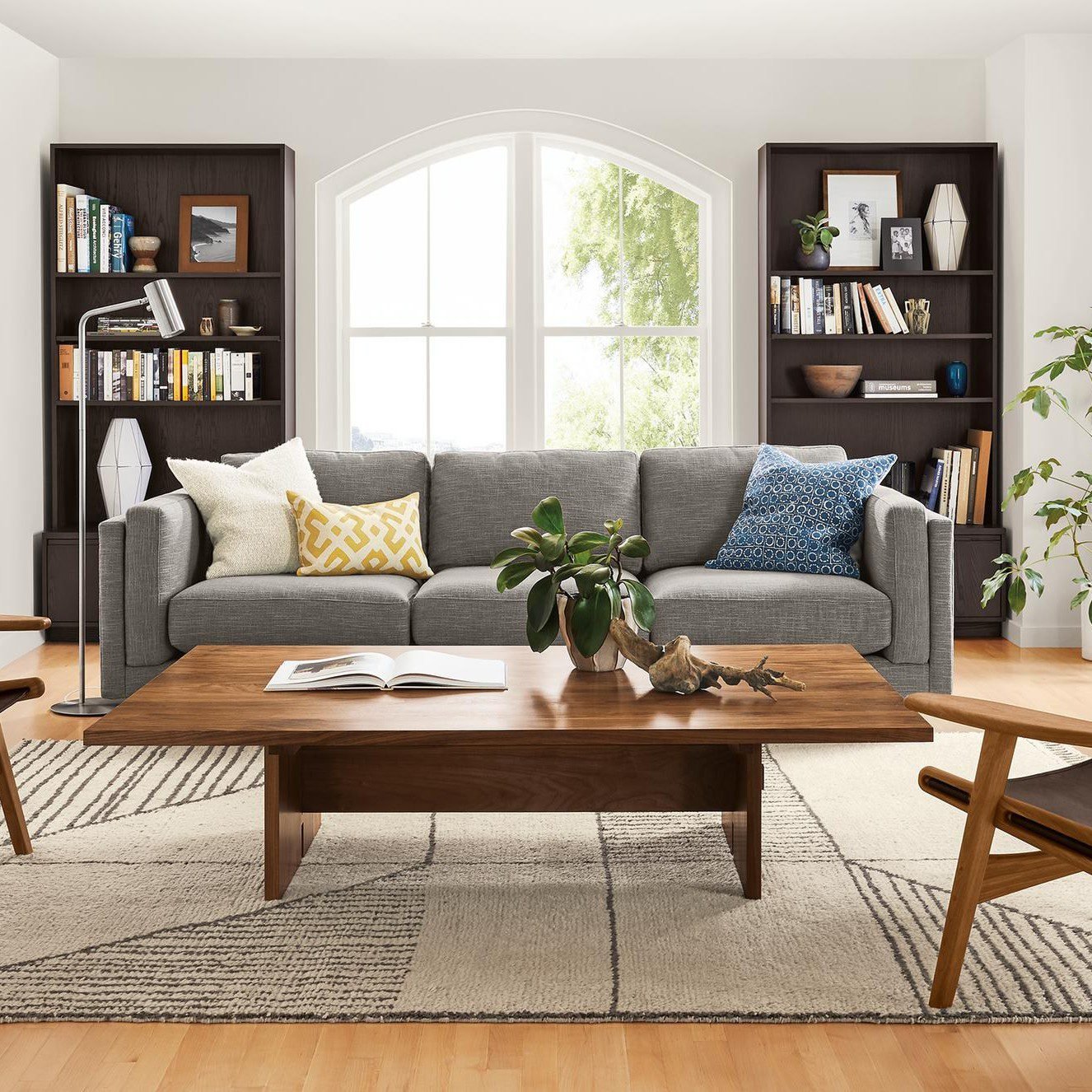

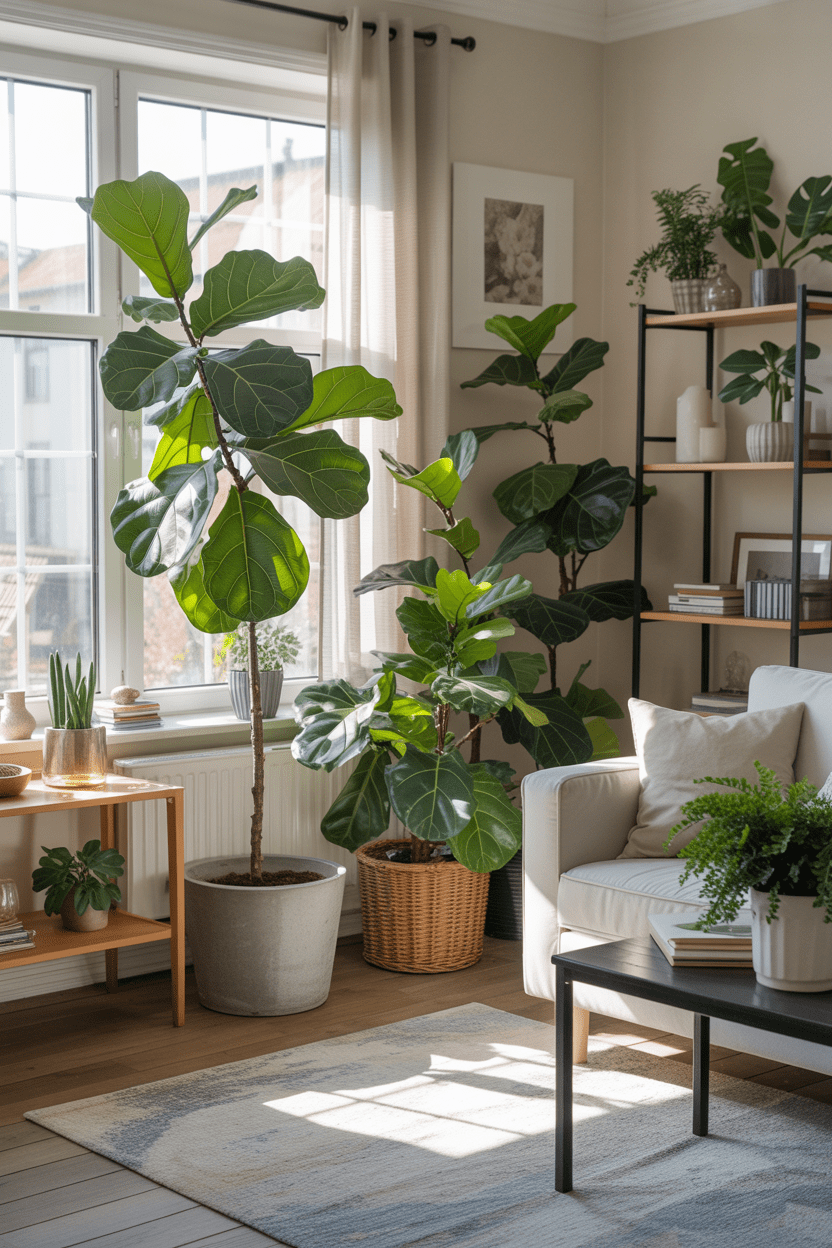
A living room should feel welcoming the moment you walk into it. But sometimes, even a well-decorated space can end up feeling dark, cramped, or a little uninspiring. Maybe the furniture feels too heavy, the walls seem dull, or natural light just isn’t doing enough. The good news? You don’t need a complete renovation to create a brighter, more cheerful room.
Some of the best bright living room ideas are surprisingly simple. A lighter color palette, smarter furniture choices, and a few strategic design tricks can completely change how your space feels. And honestly, when a room feels brighter, it usually feels cleaner, larger, and more relaxing too.
Whether you’re decorating a small apartment, updating a family room, or refreshing a home that feels stuck in a design rut, these ideas can help. From paint colors and furniture choices to lighting and layout tips, these bright living room ideas will help you create a space that feels fresh, airy, and full of life.
Embrace Crisp White Walls
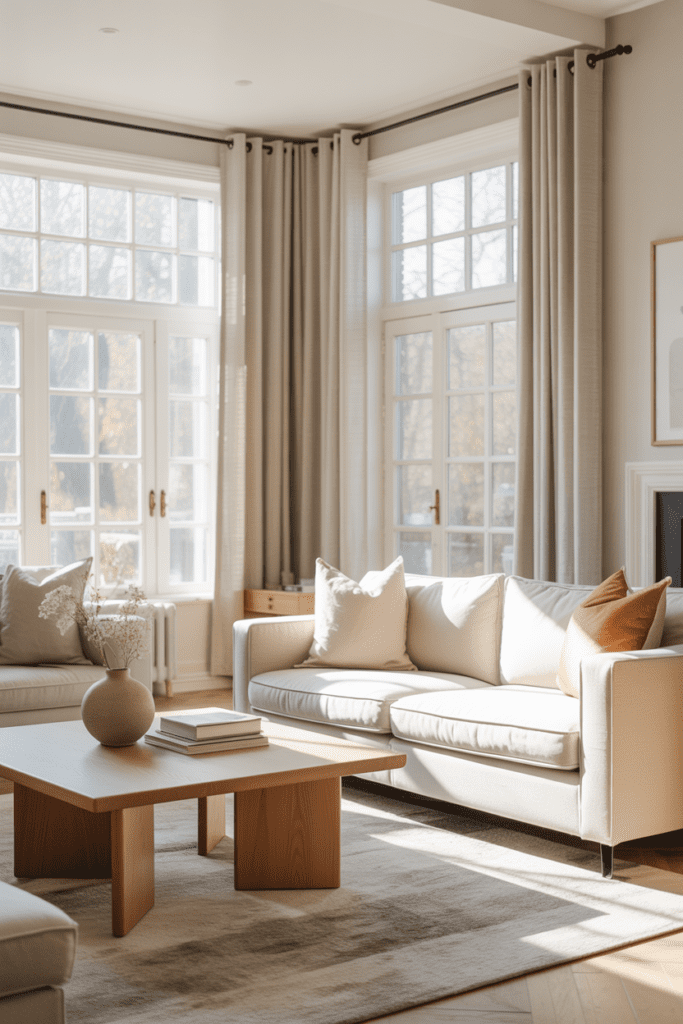
If you want something that actually works, start with the walls. White paint remains one of the easiest ways to make a living room feel brighter. It reflects natural light instead of absorbing it, instantly creating a more open atmosphere.
The key is choosing the right shade. Warm whites tend to feel cozy and inviting, while cooler whites create a crisp, modern look. Pair white walls with natural textures like wood, linen, or woven baskets so the room doesn’t feel sterile.
If painting your entire room feels overwhelming, even refreshing existing walls with a clean coat of bright white paint can make a noticeable difference.
Let Natural Light Be the Star
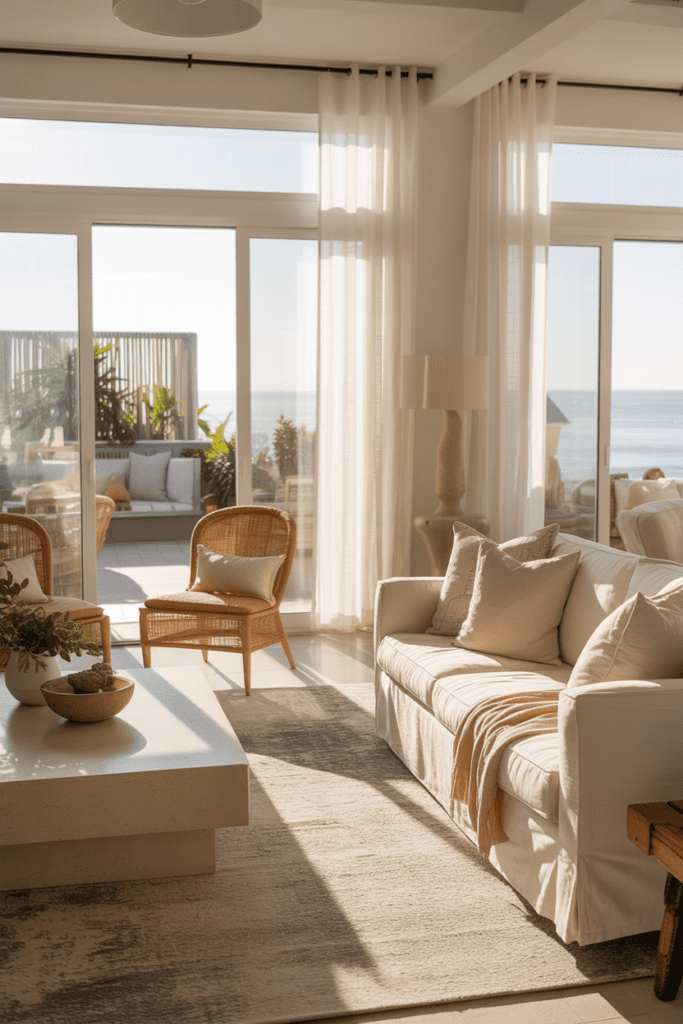
One of the most effective bright living room ideas is simply allowing more sunlight to enter the room. Heavy drapes and dark window treatments often block valuable daylight without us realizing it.
Swap thick curtains for lightweight linen panels or sheer fabrics that filter light while maintaining privacy. If possible, hang curtain rods higher and wider than the window frame. This trick exposes more glass and allows maximum sunlight into the room.
You’ll be surprised how much larger and brighter your living room feels with this simple adjustment.
Choose Light-Colored Furniture
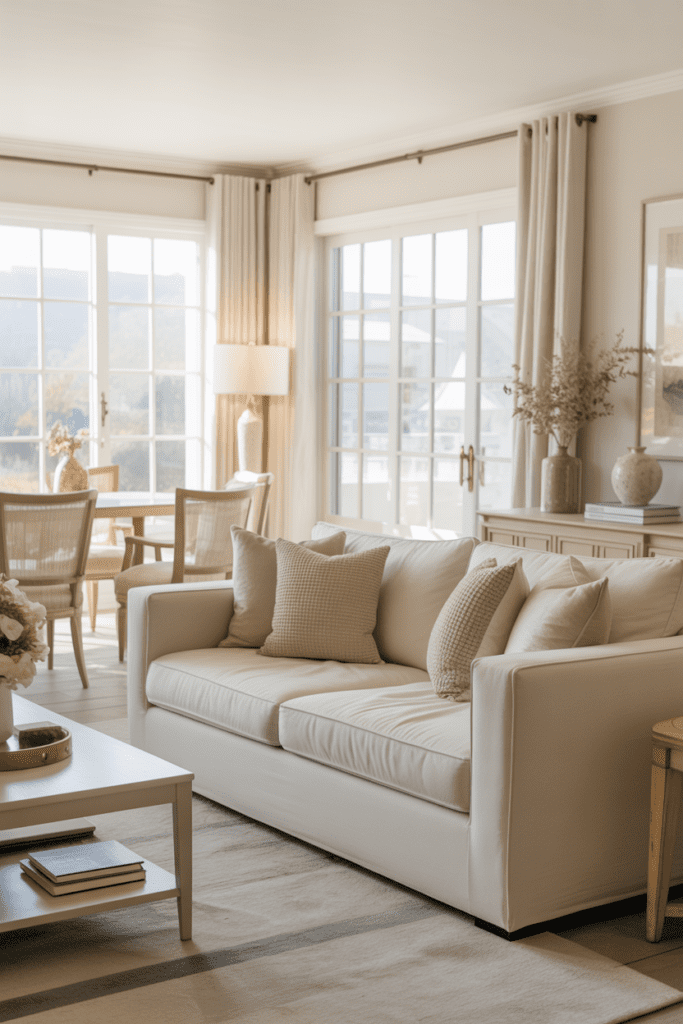
Large furniture pieces take up a significant amount of visual space. Dark sofas, bulky armchairs, and deep wood finishes can make a room feel heavier than it actually is.
Instead, consider sofas in cream, beige, soft gray, or light taupe. These colors help bounce light around the room and create an airy look. Even if replacing furniture isn’t in the budget, adding light slipcovers can achieve a similar effect.
This is one of those ideas that instantly changes the mood of a room without requiring major construction or remodeling.
Add a Large Statement Mirror
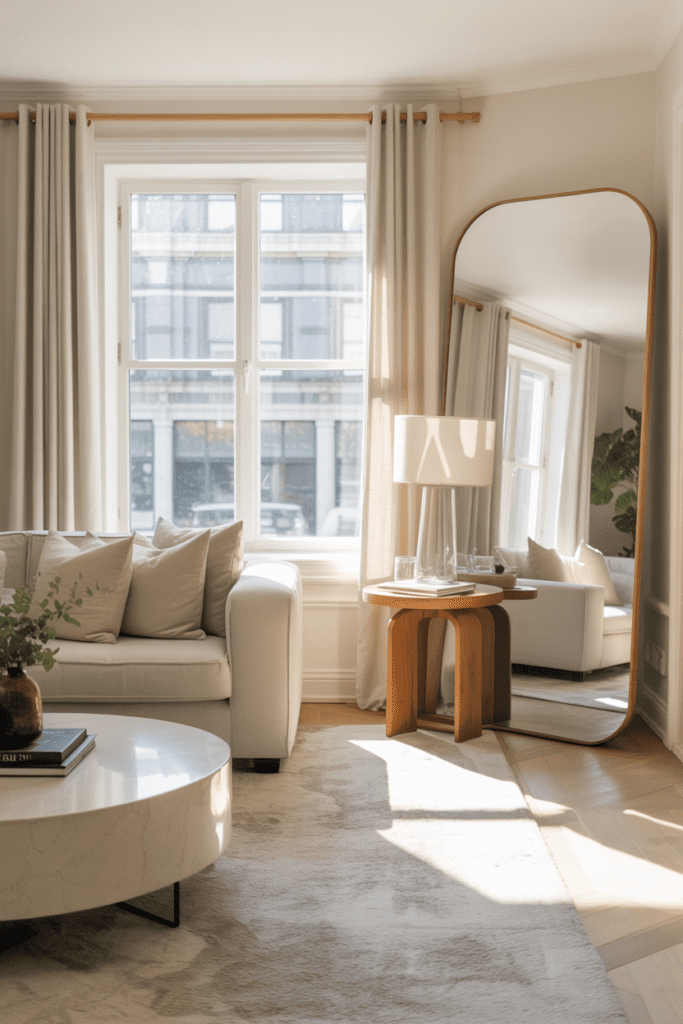
Designers have relied on mirrors for decades, and for good reason. Mirrors reflect both natural and artificial light, making spaces appear brighter and more spacious.
A large mirror positioned across from a window works especially well. During the day, it helps distribute sunlight throughout the room. At night, it reflects lamps and overhead lighting for added brightness.
Look for oversized mirrors with simple frames if you want a modern feel, or choose vintage-inspired styles for more character.
Layer Multiple Light Sources
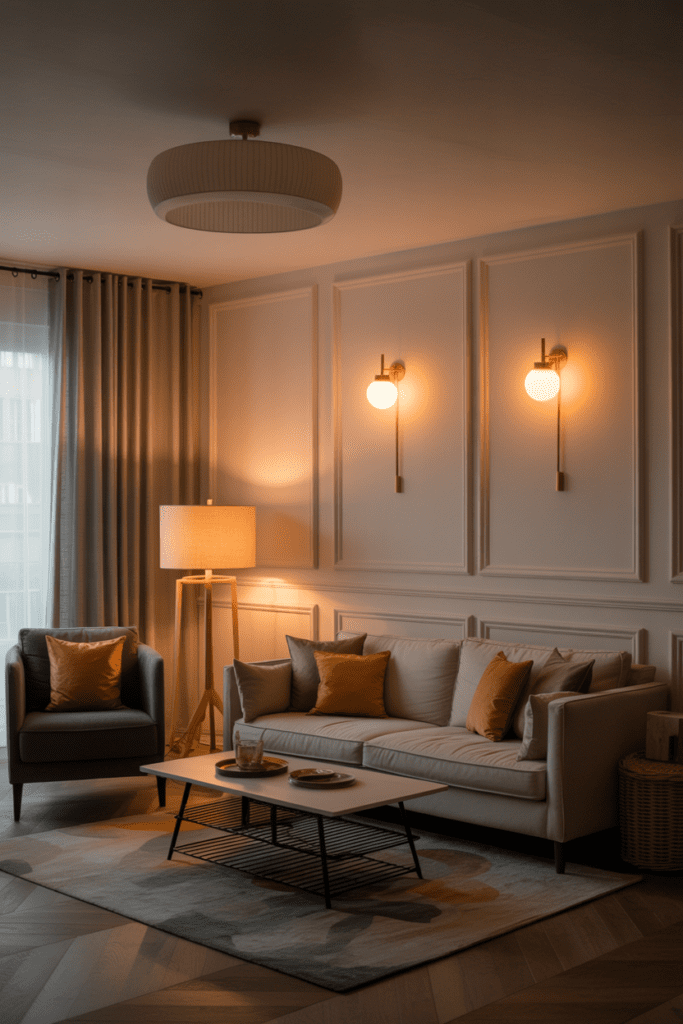
Many living rooms rely on a single overhead fixture, which often creates shadows and uneven lighting. A brighter room typically includes several light sources working together.
Combine floor lamps, table lamps, wall sconces, and ceiling fixtures to create balanced illumination. Different light levels allow you to adjust the atmosphere throughout the day while keeping dark corners from feeling neglected.
Warm LED bulbs around 2700K to 3000K usually create the most inviting glow without making the room feel yellow.
Decorate With Soft Neutral Colors
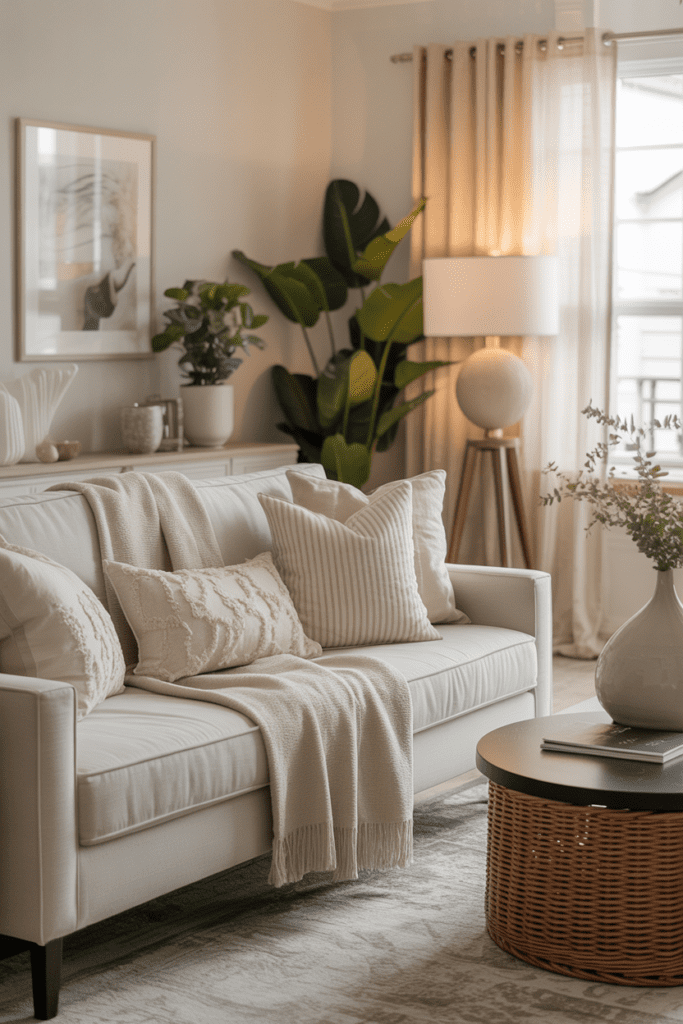
Bright doesn’t have to mean all white. Soft neutrals can create a warm, light-filled space while adding more personality.
Think sandy beige, warm ivory, pale greige, light oatmeal, or subtle taupe. These shades help maintain an airy appearance while introducing depth and comfort.
Mixing several neutral tones together also creates a layered designer look that feels intentional rather than flat.
Bring In Natural Wood Accents
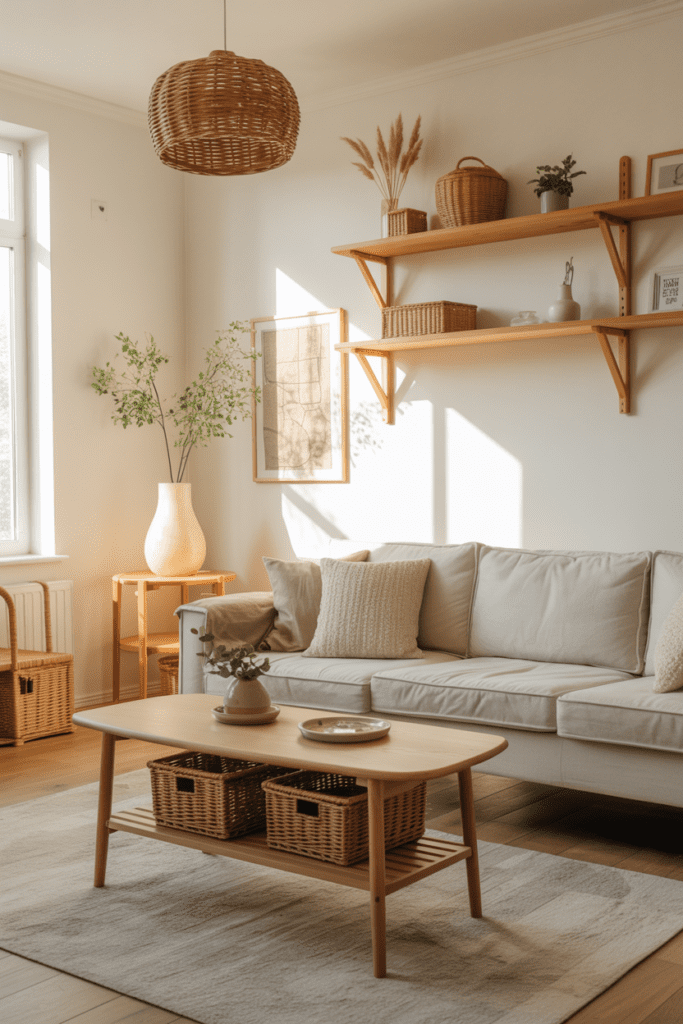
When a room becomes too white, it can sometimes feel cold. Natural wood helps balance brightness with warmth.
Light oak coffee tables, wood shelving, woven baskets, and natural wood picture frames introduce texture without visually weighing down the room. The organic tones make bright spaces feel more relaxed and livable.
Lighter wood finishes generally work best if your goal is maximizing brightness.
Keep the Floor Light and Airy
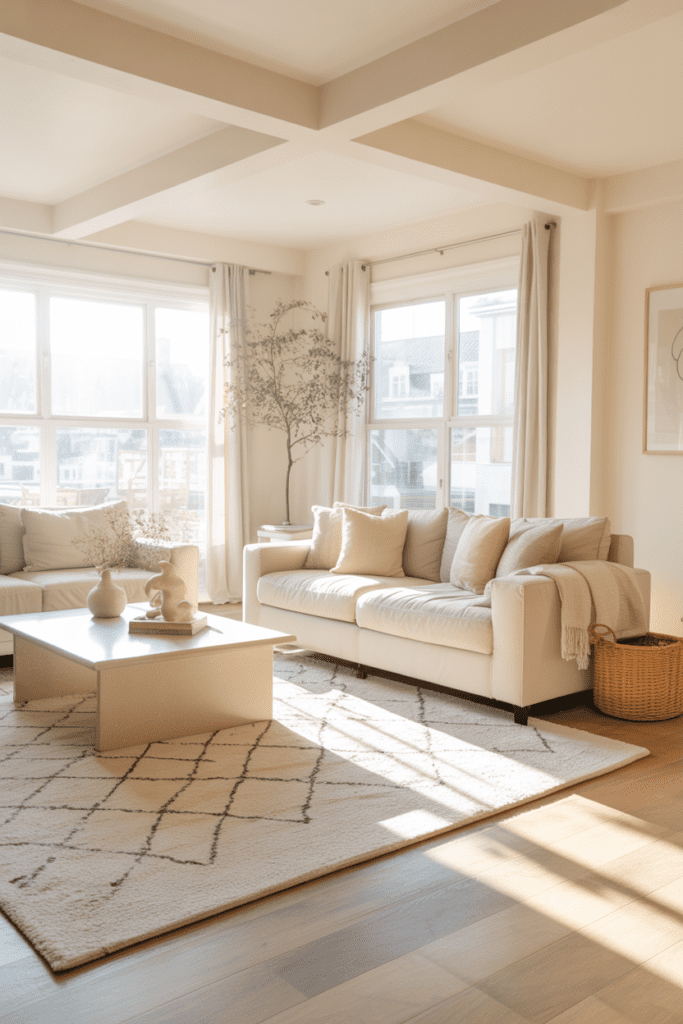
Floors cover a huge amount of visual real estate. Dark flooring can absorb light and make even large rooms feel smaller.
If replacing flooring isn’t realistic, consider adding a large area rug in cream, ivory, beige, or soft gray. A light rug can instantly brighten the overall appearance of the room while adding comfort underfoot.
Layering textures through rugs is also an easy way to make a bright room feel cozy rather than stark.
Create an Open Furniture Layout
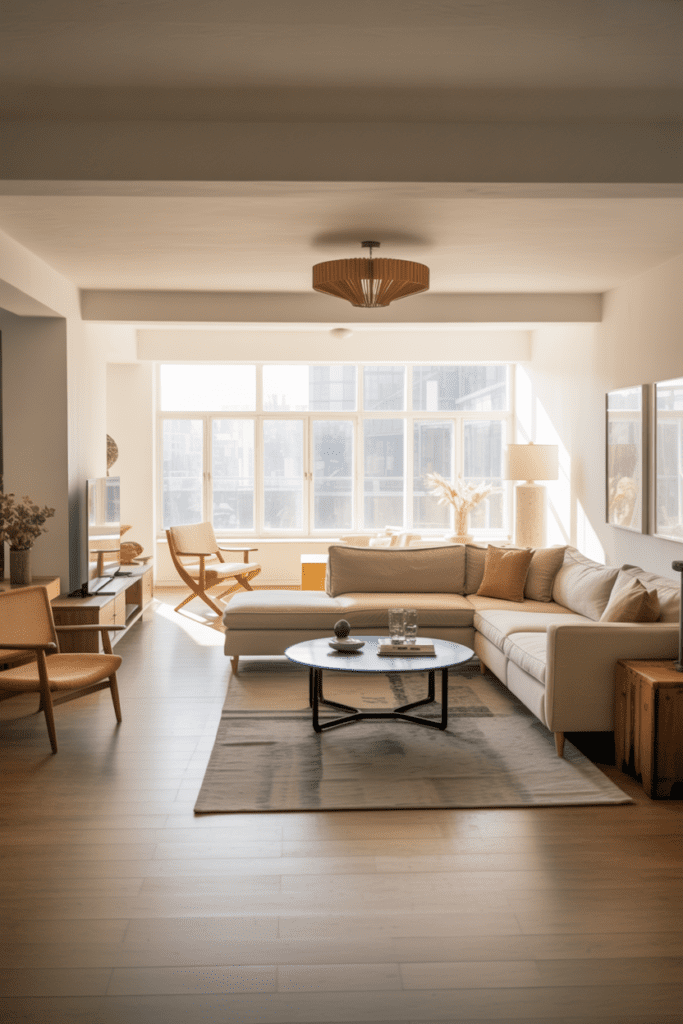
Sometimes the problem isn’t the room’s color—it’s the layout. Furniture placed too closely together can make a space feel cramped and crowded.
Try pulling furniture slightly away from walls and creating clear pathways throughout the room. Removing one unnecessary piece often has a surprisingly dramatic effect.
A more open arrangement allows light to travel freely through the room and creates a sense of spaciousness that no paint color can replicate.
Add Greenery for Freshness
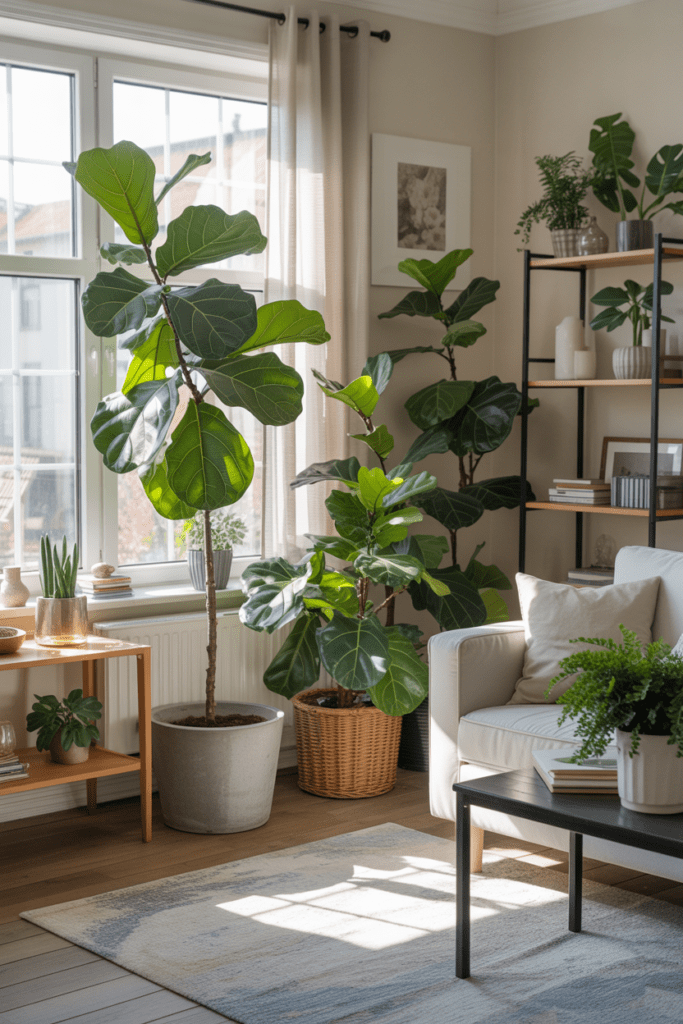
Plants naturally make rooms feel more vibrant and alive. Against a bright backdrop, greenery creates beautiful contrast without overwhelming the design.
Large leafy plants near windows can fill empty corners while adding visual interest. Smaller plants on shelves, coffee tables, or side tables contribute texture and color in a subtle way.
If maintaining real plants feels stressful, high-quality faux options have become incredibly realistic and can provide a similar effect.
Incorporate Glass and Reflective Surfaces
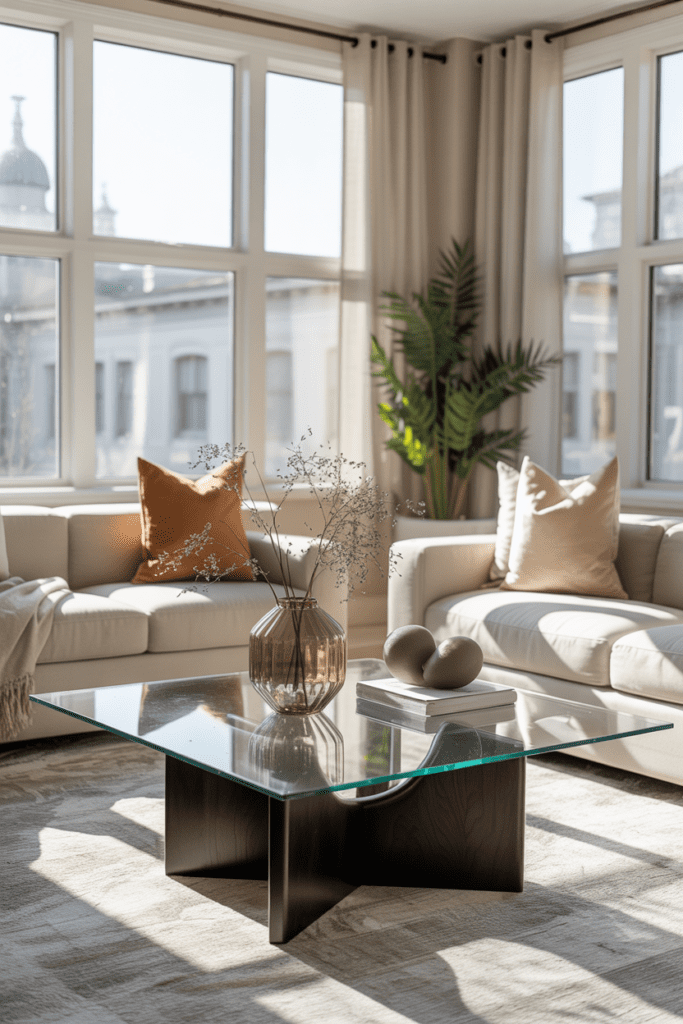
Glass furniture and reflective finishes help keep a room visually light. Because they don’t block sightlines, they create the illusion of more space.
A glass coffee table, mirrored side table, or acrylic accent pieces can work especially well in smaller living rooms. These materials feel less bulky than solid wood alternatives.
The result is a room that feels brighter and less cluttered without sacrificing functionality.
Use Light and Breezy Textiles
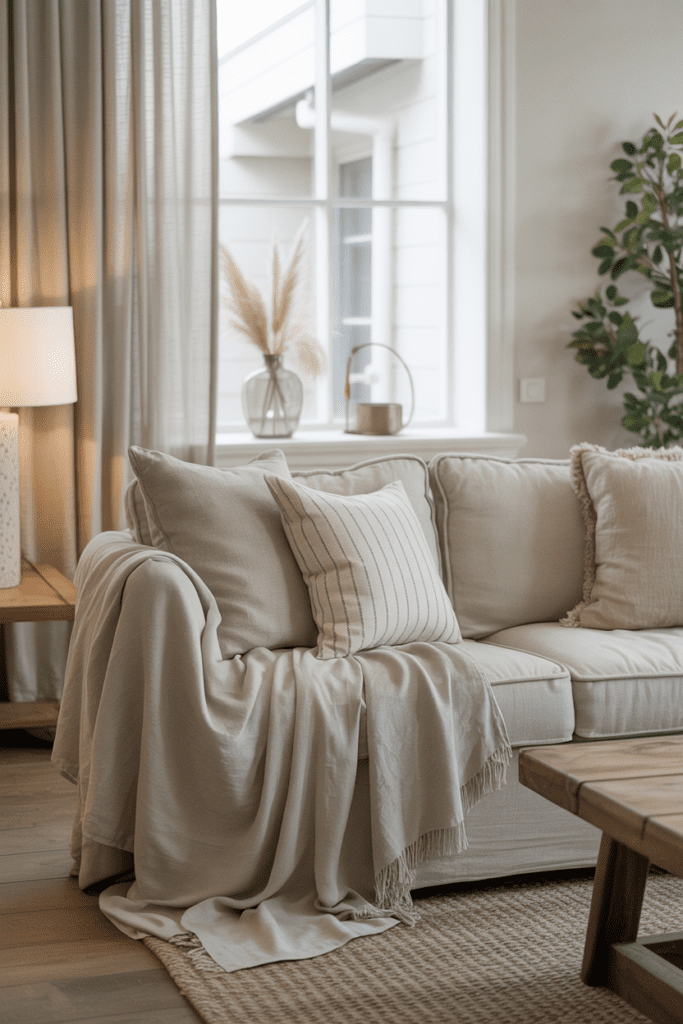
Heavy fabrics can visually darken a room, even when they’re in lighter colors. Choosing lightweight textiles helps maintain an airy atmosphere.
Linen curtains, cotton throw blankets, and textured neutral pillows bring softness without adding visual heaviness. These materials also reflect light beautifully throughout the day.
Mixing several textures together keeps the room interesting while maintaining a bright color palette.
Paint the Ceiling a Soft White
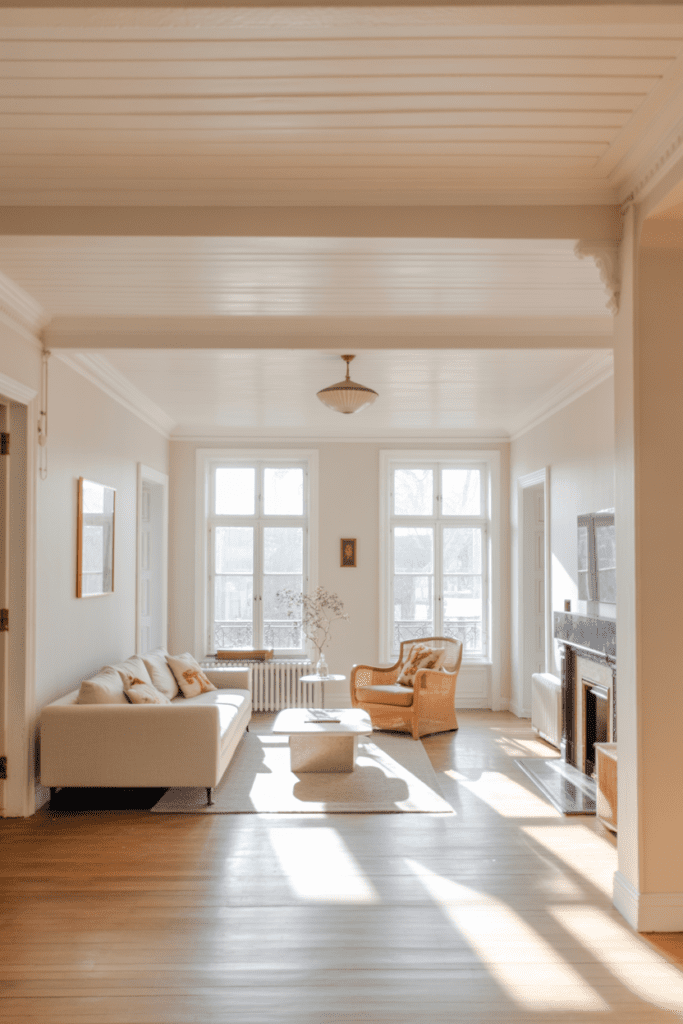
Many homeowners focus entirely on walls and forget the ceiling. A dark or dingy ceiling can make a room feel lower and more enclosed.
Painting the ceiling a bright white or slightly lighter version of the wall color helps bounce light downward. This simple update often makes ceilings appear taller and rooms feel larger.
It’s a subtle change, but one that can have a surprisingly noticeable impact.
Keep Decor Simple and Intentional
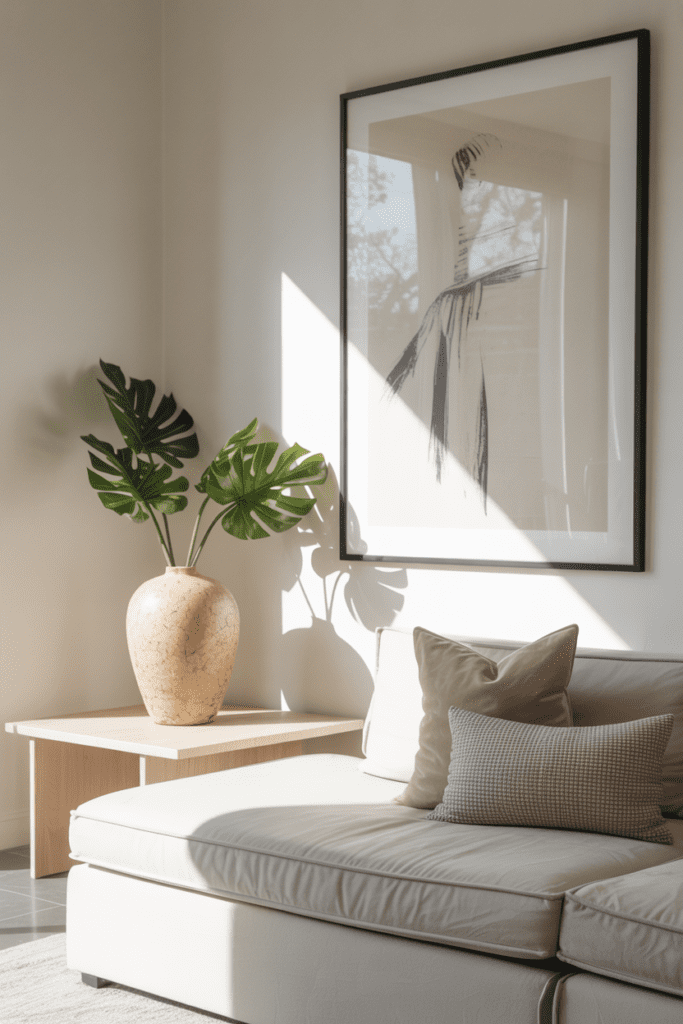
A room packed with accessories can quickly feel cluttered, even if the colors are light. Bright spaces tend to benefit from a more edited approach.
Instead of filling every surface, choose a few larger decorative pieces with purpose. A statement vase, beautiful artwork, or sculptural lamp often creates more impact than numerous small items.
This approach allows the room to breathe and helps maintain the open feeling you’re trying to achieve.
Add Pops of Cheerful Color
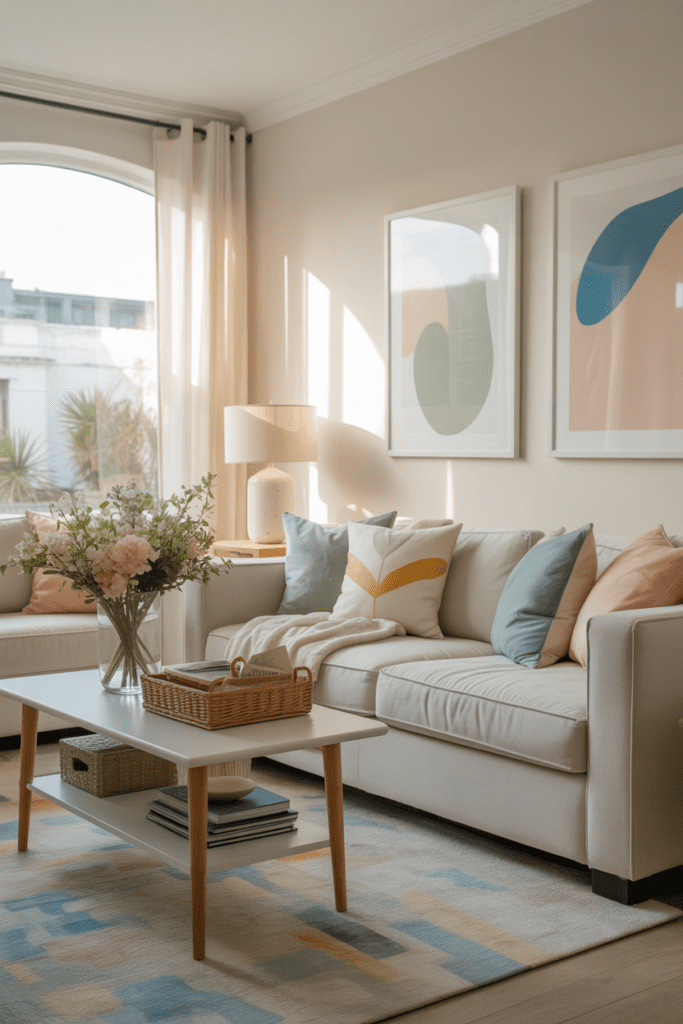
While neutral foundations help brighten a room, strategic pops of color can make it feel more lively and personal.
Soft blues, sage greens, pale yellows, and blush tones work especially well in bright living rooms. Introduce color through throw pillows, artwork, books, or decorative accents.
The goal isn’t overwhelming the room. A few thoughtfully placed accents can add energy while allowing the bright backdrop to remain the focus.
Final Thoughts
Creating a brighter living room doesn’t always require a major makeover. In many cases, a few thoughtful changes can completely shift how the space feels. Whether it’s switching to lighter furniture, adding mirrors, embracing natural light, or simplifying your decor, these bright living room ideas can help any room feel more welcoming and spacious.
Start with one or two ideas that fit your budget and style, then build from there. Small updates often create the biggest visual impact. Before long, you’ll have a living room that feels lighter, happier, and much more enjoyable to spend time in.
Quick Tips for a Brighter Living Room
- Choose warm white paint instead of stark bright white.
- Use mirrors across from windows whenever possible.
- Swap heavy curtains for light-filtering fabrics.
- Keep large furniture pieces in lighter colors.
- Add layered lighting instead of relying on one fixture.
- Use natural textures to prevent the room from feeling flat.
- Avoid overcrowding surfaces with too many accessories.
- Bring in plants for freshness and color.
- Stick to a cohesive, light color palette.
- Let natural light remain the focal point whenever possible.