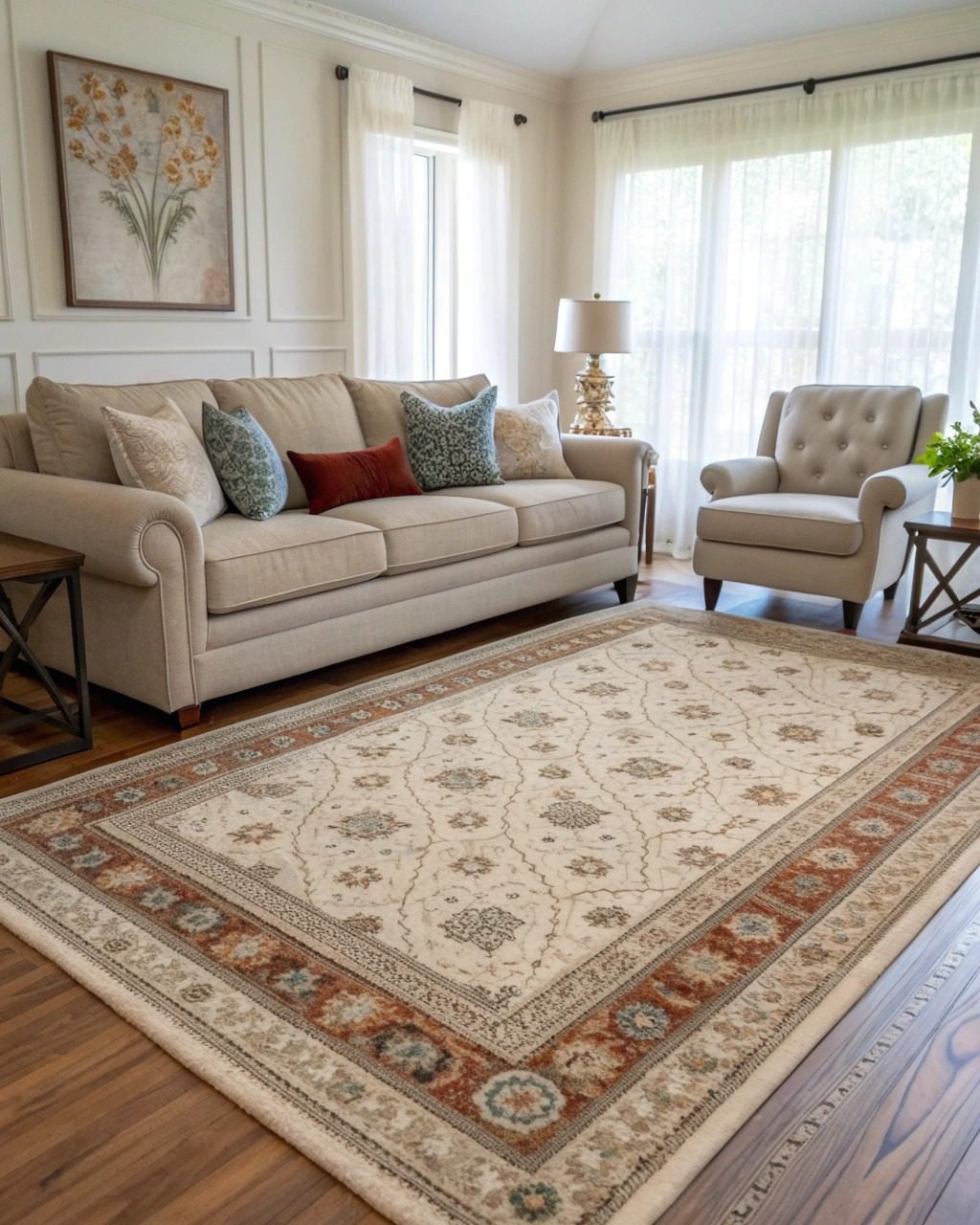

If you’ve ever stood in the middle of your living room wondering why the space feels awkward no matter where you put the sofa, you’re definitely not alone. Long narrow living rooms can be surprisingly difficult to decorate. On paper, it seems simple—you have plenty of square footage. But in reality, the room often ends up feeling more like a bowling alley than a comfortable place to relax.
The challenge is that most furniture layouts are designed for square or nearly square rooms. When your living room is stretched out, the usual tricks don’t always work. A sofa against one wall, a TV against the other, and suddenly you’re left with a giant empty runway down the middle.
The good news? A long narrow room isn’t a design flaw. In fact, some of the most stylish living rooms work with this shape rather than fighting it.
If you’re searching for practical advice on how to arrange furniture in a long narrow living room, here’s what actually works, what to avoid, and how to create a space that feels balanced, functional, and welcoming.
Why Long Narrow Living Rooms Feel So Difficult to Furnish
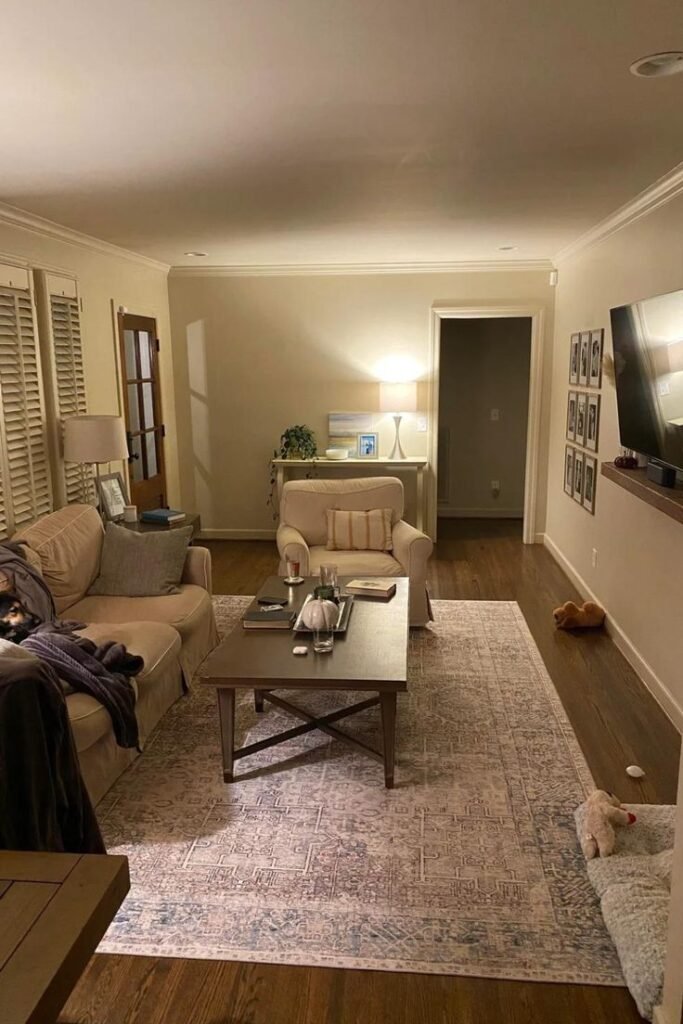
Before moving furniture around, it helps to understand why these spaces can be challenging.
Most people naturally focus on the room’s length. They line furniture up against the walls and leave a clear path down the center. While this seems logical, it often exaggerates the room’s narrow shape.
Instead of feeling cozy and connected, the room feels stretched out and disconnected.
Here’s the thing: successful layouts don’t emphasize the length. They break it up.
The goal is to create zones, improve visual balance, and make the room feel wider than it actually is.
The Biggest Mistakes People Make
Pushing Every Piece Against the Wall
This is probably the most common mistake.
Many homeowners assume that keeping furniture against the walls creates more space. Surprisingly, it often has the opposite effect.
When everything hugs the perimeter, the center becomes an empty corridor. Your eye immediately notices the length of the room, making the narrow shape feel even more obvious.
What actually works is pulling key furniture pieces slightly inward. Even moving a sofa 6 to 12 inches away from the wall can create a more intentional layout.
Creating One Giant Seating Area
A long room doesn’t always need one massive conversation zone.
Most people try to force all their furniture into a single arrangement, which can leave large sections of the room underused.
Instead, think about how you actually live in the space. Could one end be for watching TV while the other serves as a reading corner or small workspace?
Breaking up the room often makes it feel larger and more functional.
Ignoring Traffic Flow
People need a clear path through the room.
When furniture blocks natural walkways, the room feels cramped regardless of its size.
One of the easiest ways to improve a narrow living room is ensuring people can move comfortably without weaving around furniture.
A good rule is to leave at least 30 to 36 inches for primary walkways whenever possible.
Start by Identifying the Room’s Purpose
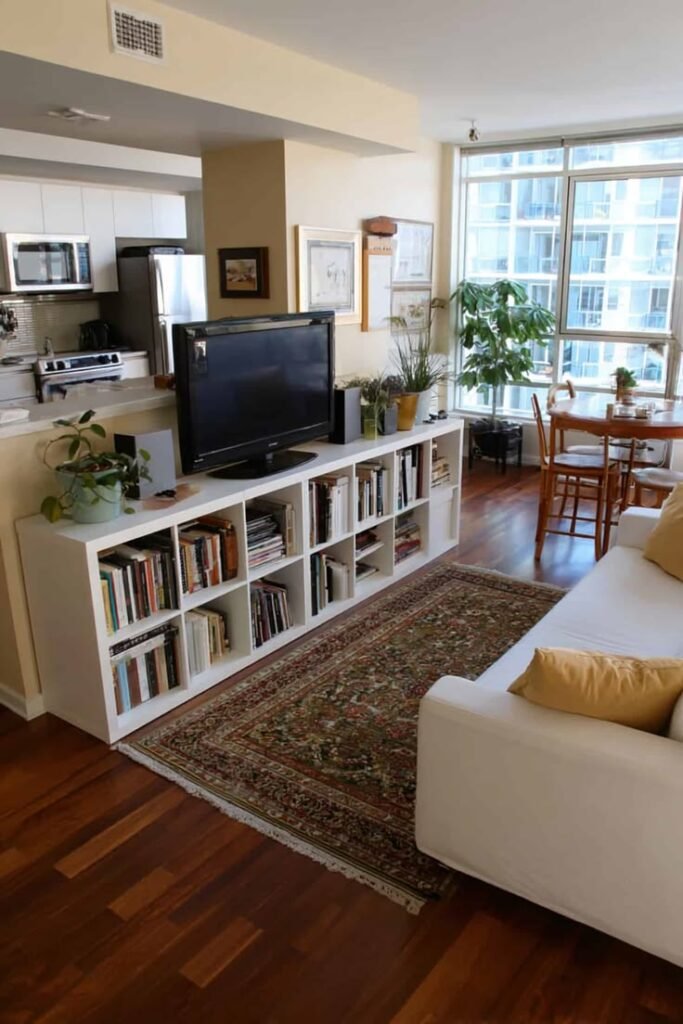
Ask Yourself How You Actually Use the Space
Before deciding where furniture goes, think about what happens in the room every day.
Do you:
- Watch TV as a family?
- Host guests frequently?
- Read and relax?
- Need a work-from-home corner?
- Have children who need floor space?
Most people skip this step and jump straight into arranging furniture.
But layout decisions become much easier when you know exactly what the room needs to accomplish.
Create Activity Zones
Long narrow rooms naturally lend themselves to zoning.
For example:
- One section for television viewing
- One section for conversation
- One section for reading
- One section for games or hobbies
Even if the room isn’t huge, creating distinct zones can make the entire space feel more intentional.
How to Arrange Furniture in a Long Narrow Living Room Step by Step
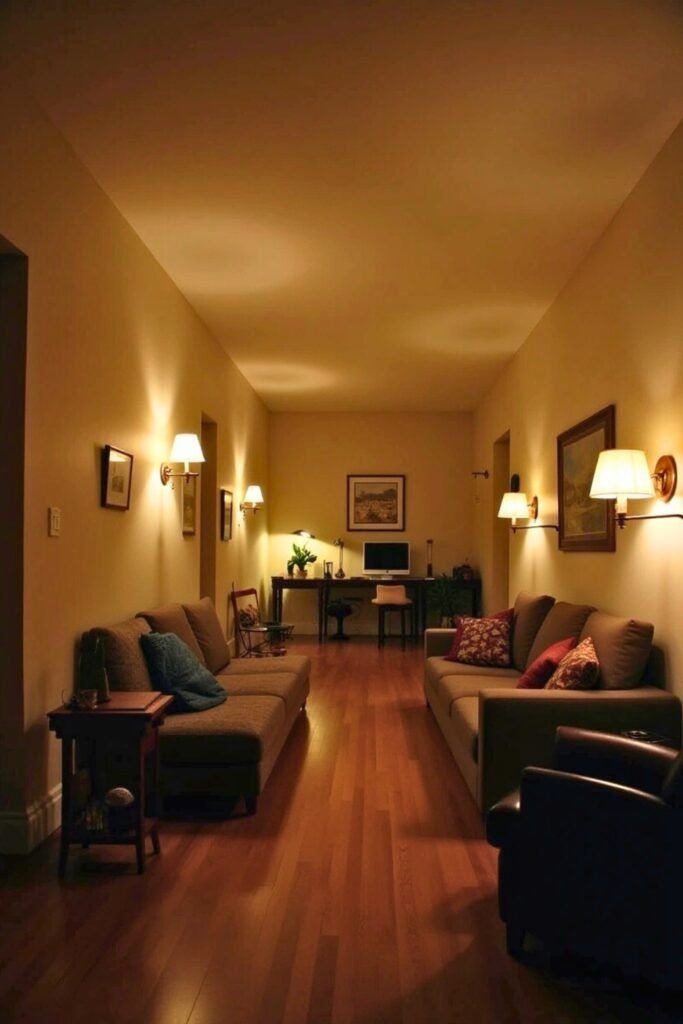
Step 1: Anchor the Room With an Area Rug
One of the easiest ways to define a seating area is with a rug.
Most people buy rugs that are too small. The result is furniture that appears disconnected and floating.
Choose a rug large enough so at least the front legs of major furniture pieces sit on it.
A properly sized rug visually groups furniture together and helps establish a clear focal zone.
Step 2: Float the Sofa When Possible
This is one of my favorite tricks for narrow rooms.
Instead of placing the sofa against a wall, try floating it slightly within the room.
The back of the sofa can actually help divide different functional zones.
For example, the sofa might separate a TV area from a small reading nook behind it.
This instantly creates structure without adding walls or partitions.
Step 3: Position Furniture Across the Width
Most people instinctively arrange furniture along the length of the room.
Try the opposite.
Whenever possible, orient furniture to emphasize the room’s width.
For example:
- Place sofas perpendicular to the longest walls.
- Use chairs to create side-to-side balance.
- Arrange conversation areas across the room rather than down its length.
This simple shift visually widens the space.
Step 4: Establish a Strong Focal Point
Every living room needs something that draws attention.
This might be:
- A television
- A fireplace
- Large windows
- Built-in shelving
- A statement artwork piece
Without a focal point, furniture arrangements can feel random.
Once you identify the focal point, arrange seating around it while keeping conversation comfortable.
Smart Layout Ideas That Work Well
The Two-Zone Layout
This is often the best solution for larger narrow rooms.
The front half might contain:
- Sofa
- Coffee table
- TV
The back half might include:
- Two accent chairs
- Small table
- Bookshelf
- Reading lamp
The room immediately feels more balanced because its length is divided into manageable sections.
The L-Shaped Arrangement
An L-shaped furniture layout works beautifully in narrow spaces.
A sofa paired with one or two chairs creates a natural conversation area without overwhelming the room.
The shape also prevents the furniture from looking like it’s lined up in a straight row.
The Sofa-and-Chairs Layout
Many people rely on oversized sectionals.
In long narrow rooms, separate pieces often work better.
A sofa combined with two chairs gives you greater flexibility and creates a more open feel.
You can angle chairs slightly inward to encourage conversation and soften the room’s rectangular shape.
Choosing Furniture That Fits the Space
Avoid Oversized Pieces
This sounds obvious, but it’s amazing how often it gets overlooked.
A deep sectional might look beautiful in a showroom, but in a narrow room it can dominate the entire space.
Measure carefully before buying.
Pay special attention to:
- Sofa depth
- Coffee table width
- Chair dimensions
- Walking clearance
A slightly smaller piece often makes the room feel significantly larger.
Consider Armless Furniture
Armless chairs can be incredibly useful in narrow living rooms.
Because they take up less visual space, they help the room feel lighter and less crowded.
They’re also easier to move around when entertaining guests.
Use Round Tables
Long narrow rooms are full of straight lines.
Adding a round coffee table or side table introduces visual contrast.
Round shapes also improve traffic flow because there are fewer sharp corners to navigate around.
Tricks That Make a Narrow Room Feel Wider
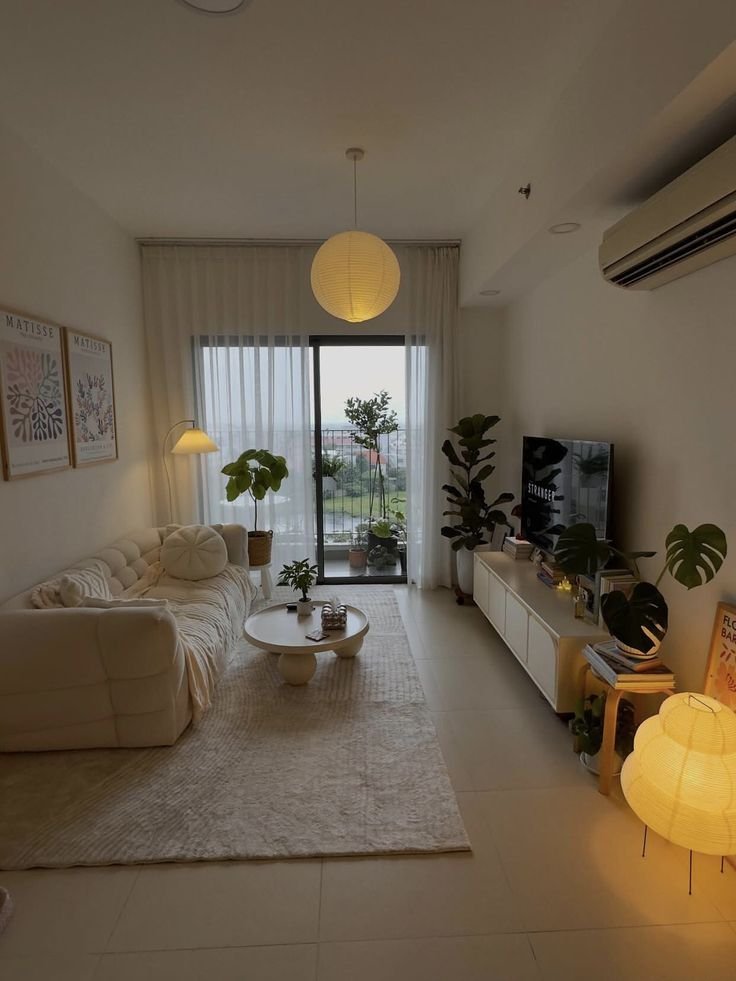
Use Horizontal Design Elements
Most people focus on furniture placement, but visual tricks matter too.
Horizontal artwork, wide media consoles, and long shelving units can visually stretch the room’s width.
This helps counterbalance the room’s narrow proportions.
Keep Sightlines Open
Heavy furniture can create visual barriers.
Try using pieces with:
- Open bases
- Slim legs
- Glass surfaces
- Lighter profiles
When you can see more floor space, the room feels larger.
Balance Both Ends of the Room
One end of a narrow room often becomes visually heavy while the other feels empty.
The goal isn’t perfect symmetry.
It’s visual balance.
If one side has a large sectional, consider adding substantial artwork, shelving, or a pair of chairs on the opposite end.
This helps distribute visual weight evenly.
Lighting Matters More Than You Think
Lighting can completely change how a long narrow living room feels.
Many people rely on a single ceiling fixture.
The result is a tunnel-like effect that emphasizes the room’s shape.
Instead, layer multiple light sources:
- Floor lamps
- Table lamps
- Wall sconces
- Accent lighting
Spread them throughout the room rather than concentrating them in one area.
This creates depth and encourages the eye to move naturally around the space.
What If Your Living Room Also Has a Dining Area?
Open-concept spaces can be especially tricky.
The key is defining separate zones without making them feel disconnected.
Use:
- Area rugs
- Lighting fixtures
- Furniture placement
- Console tables
For example, the back of a sofa can act as a subtle divider between living and dining spaces.
This creates separation while maintaining an open, airy feel.
Final Thoughts
Learning how to arrange furniture in a long narrow living room is really about working with the room’s shape instead of fighting it. Most people make the mistake of emphasizing the length, which only makes the space feel awkward and stretched out.
The better approach is to create zones, establish a strong focal point, improve traffic flow, and use furniture placement to visually widen the room. Small changes—like floating a sofa, choosing the right rug size, or breaking the room into functional areas—can completely transform how the space feels.
Start with one section at a time, experiment with different layouts, and don’t be afraid to move furniture around until the room feels right. Sometimes the best arrangement isn’t the most obvious one, but it’s usually the one that makes the room feel comfortable, balanced, and easy to live in every day.