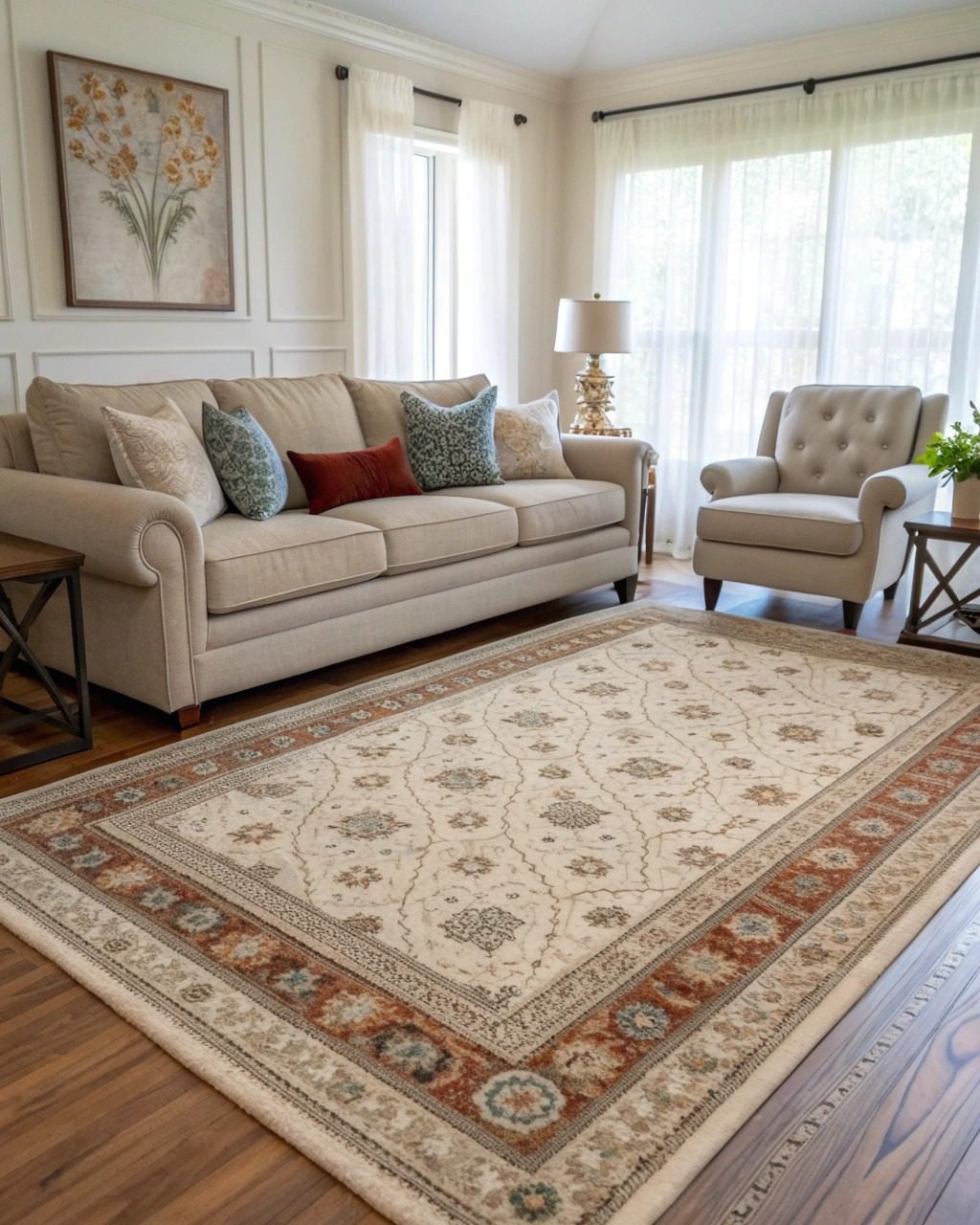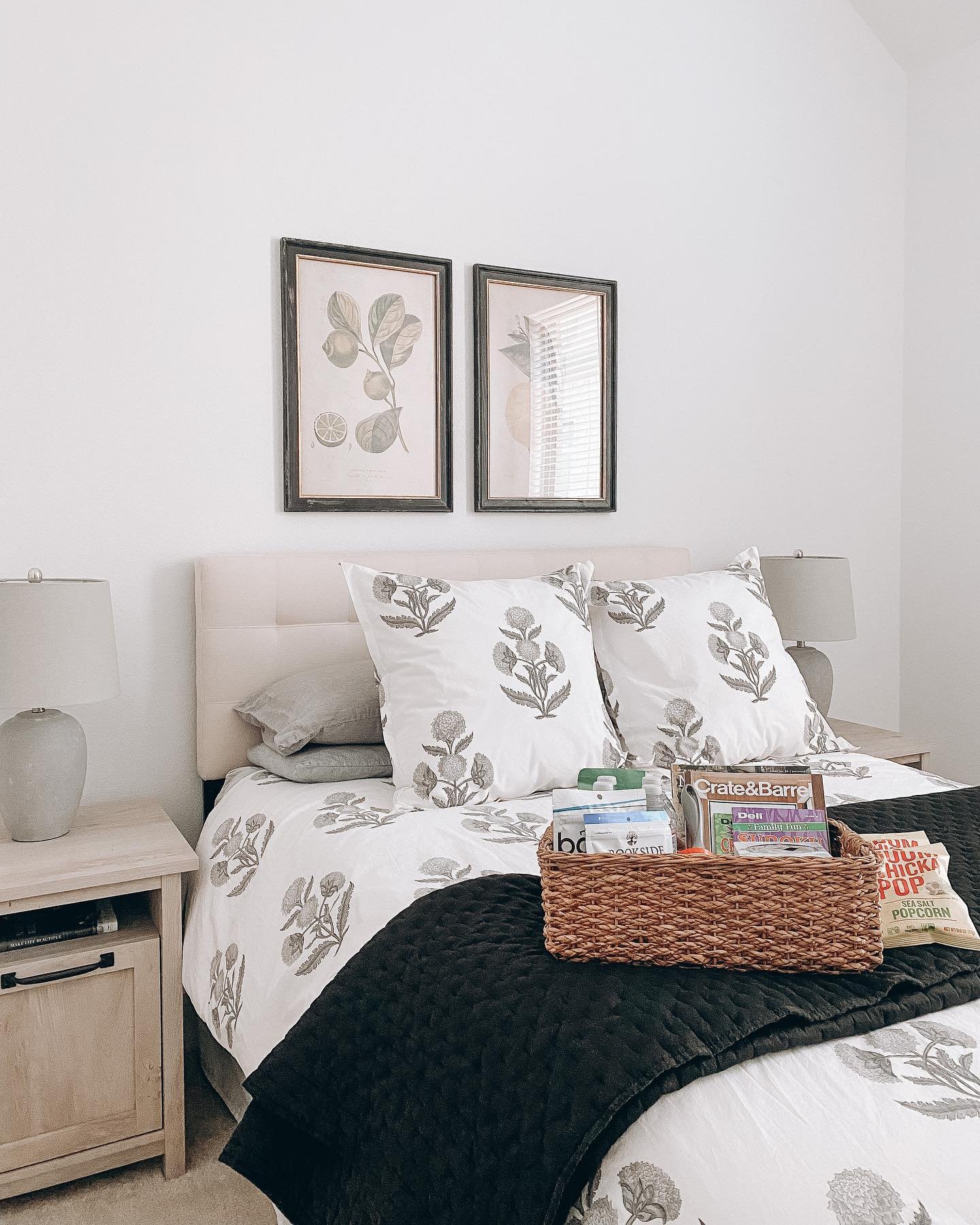

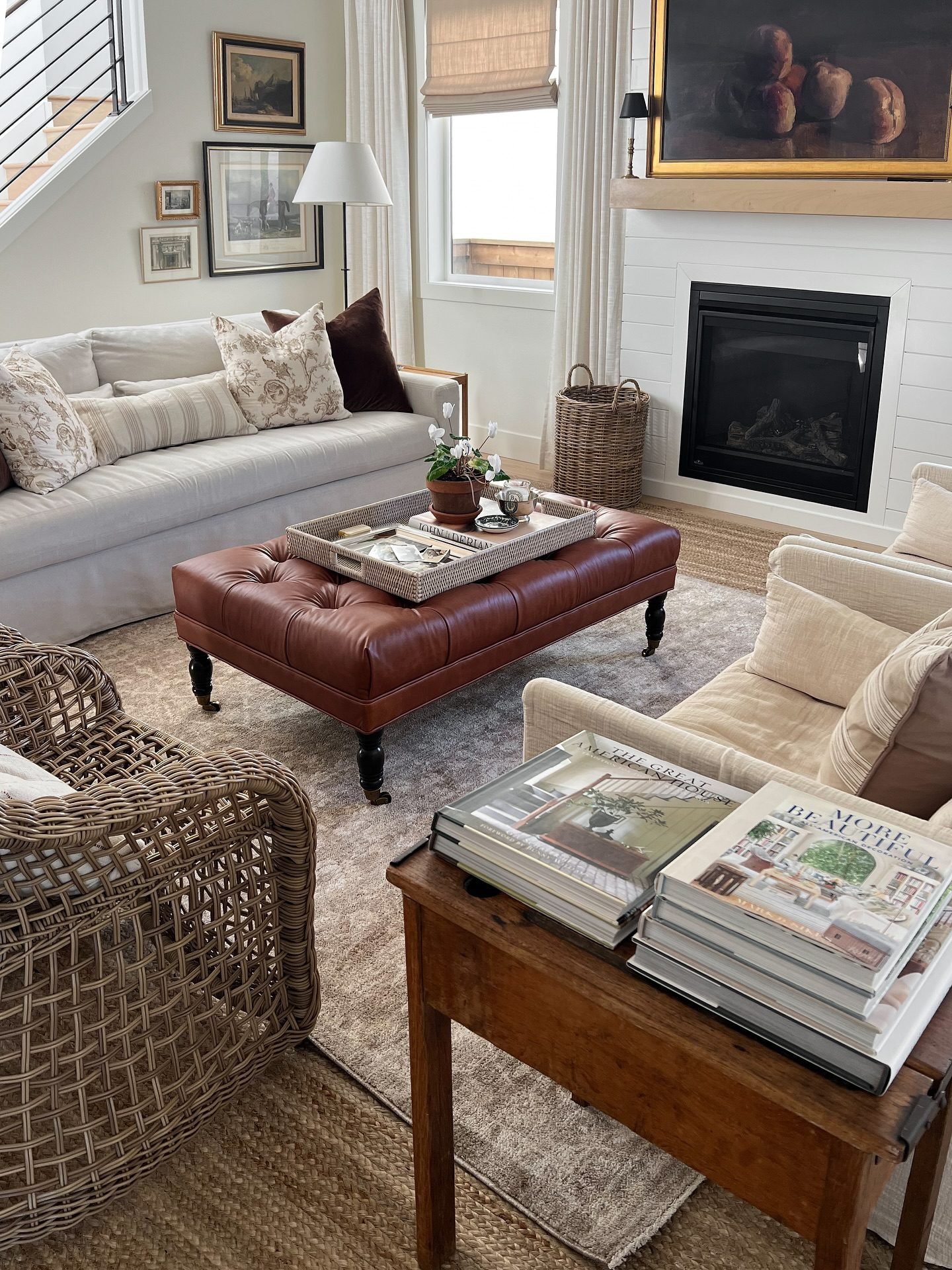
If you’ve ever looked around your living room and thought, Why doesn’t this space look as polished as the ones I save on Pinterest?, you’re definitely not alone. A lot of people assume beautiful living rooms require designer furniture, custom-built shelving, or thousands of dollars in renovations. The truth is, that’s rarely the case.
Most expensive-looking living rooms aren’t actually filled with expensive things. They’re filled with thoughtful choices. The colors work together. The furniture feels balanced. The lighting creates warmth. Even the smallest accessories look intentional instead of random.
Here’s the thing: making a room feel luxurious has much more to do with styling than spending. That’s great news if you’re decorating on a budget because small upgrades often create the biggest visual impact.
In this guide, I’ll show you exactly how to make your living room look expensive using budget decor without replacing everything you already own. These are the decorating tricks that actually change how a room feels—and most of them cost far less than people expect.
Start With a Clean, Edited Space
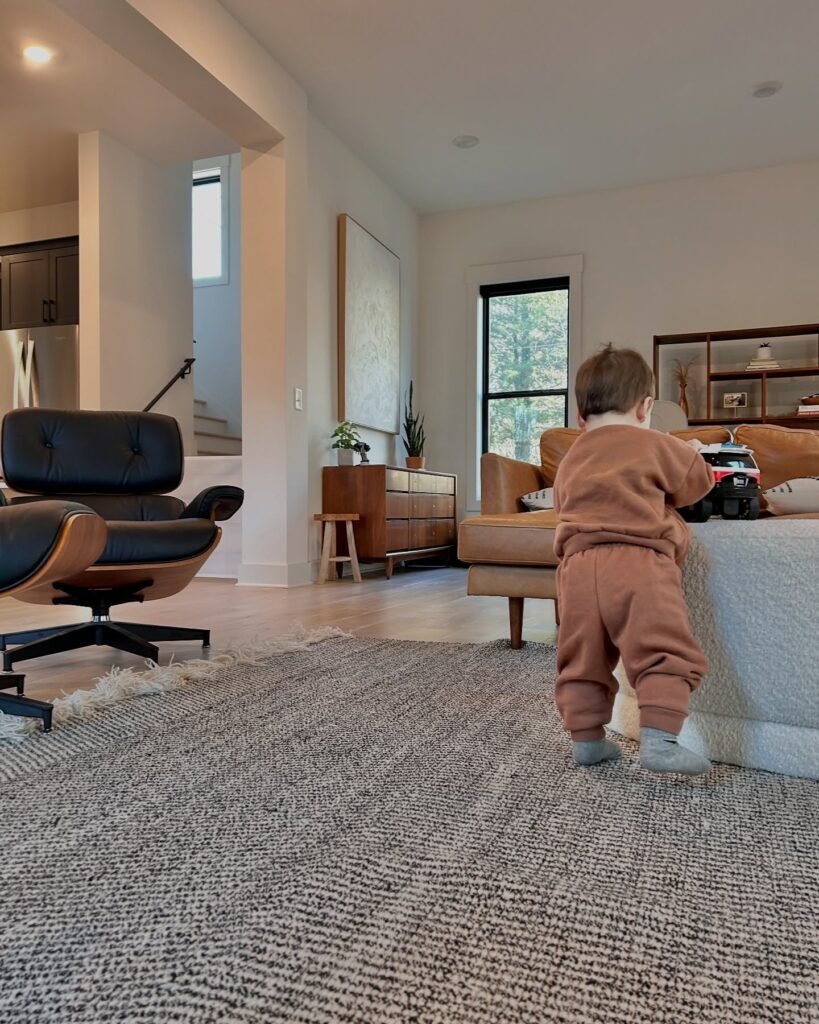
Before buying a single decorative item, take a good look around your room.
One of the biggest differences between luxury interiors and cluttered spaces isn’t the furniture—it’s the editing.
Many living rooms slowly collect extra baskets, mismatched decorations, old magazines, random throw pillows, cables, and furniture that no longer serves a purpose. Individually, none of these seem like a problem. Together, they make the room feel busy.
High-end homes usually feel calm because every piece has space to breathe.
Try removing around 20% of what’s currently visible.
You might be surprised how much bigger, brighter, and more sophisticated your room feels before spending any money at all.
When styling shelves or tables, don’t try to fill every empty inch. Empty space actually helps the beautiful pieces stand out.
Choose a Cohesive Color Palette
One mistake that instantly makes a room feel inexpensive is using too many competing colors.
Luxury interiors usually follow a simple palette.
Think:
- Warm white
- Beige
- Soft gray
- Black accents
- Natural wood
- Olive green
- Deep navy
Instead of introducing ten different colors through pillows, rugs, artwork, and accessories, stick with two or three that repeat throughout the room.
This creates visual consistency.
Your eye moves naturally through the room rather than bouncing between unrelated colors.
That’s one of the easiest ways to make your living room look expensive using budget decor because color coordination costs almost nothing.
Upgrade Your Lighting
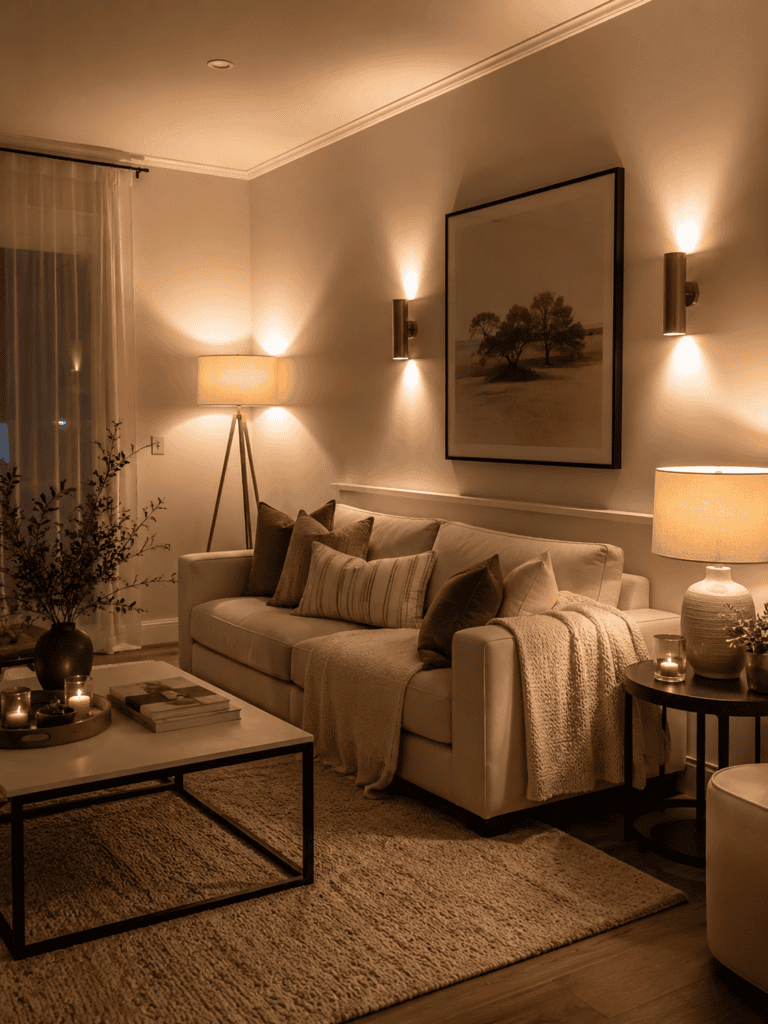
Most people get this wrong.
They spend hundreds on furniture while leaving a single ceiling light to do all the work.
Lighting affects mood, texture, and even how expensive furniture appears.
Instead of relying on one bright overhead fixture, layer multiple light sources.
Try combining:
- A floor lamp
- A table lamp
- Wall sconces (plug-in versions work great)
- Warm LED bulbs
Warm lighting instantly softens a room.
Cool white lighting often makes walls feel flat and furniture appear cheaper.
Even swapping light bulbs to a warmer temperature can completely change the atmosphere.
Invest in Larger Decor Instead of Lots of Small Pieces
Here’s something you’ll notice in professionally designed living rooms.
There aren’t dozens of tiny decorations everywhere.
Instead, designers use fewer—but larger—statement pieces.
For example:
Instead of five tiny photo frames above your sofa, hang one oversized piece of artwork.
Instead of six little candles, place one large decorative vase.
Instead of multiple miniature plants, buy one fuller indoor tree.
Large-scale decor naturally feels more luxurious because it creates stronger visual impact.
Ironically, buying one statement piece is often cheaper than collecting lots of small accessories over time.
Use Bigger Throw Pillows
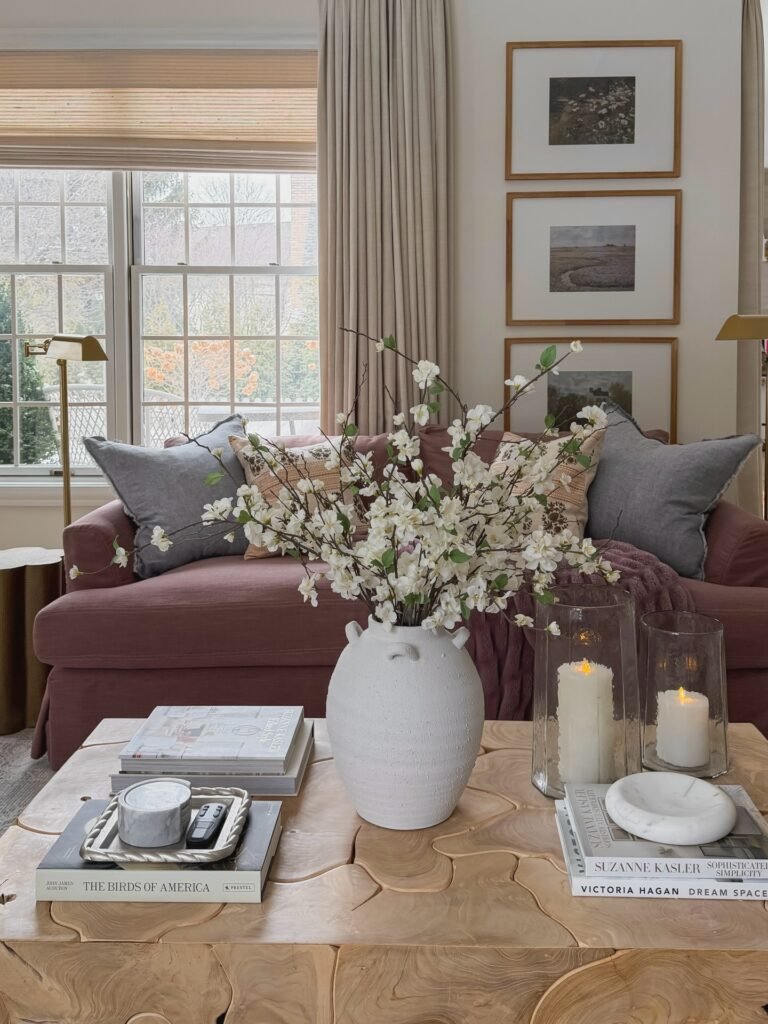
Throw pillows are one of the easiest budget upgrades available.
But size matters.
Small pillows often disappear into sofas and make seating look less inviting.
Larger pillows—around 20 to 24 inches—create a fuller, designer-inspired appearance.
Mix different textures like:
- Linen
- Velvet
- Bouclé
- Cotton
- Faux leather
Instead of buying pillows with loud prints, choose textured fabrics in neutral shades.
Texture creates interest without overwhelming the room.
Add Texture Instead of More Color
Luxury interiors rarely rely on bright colors to create interest.
They rely on texture.
Imagine a room filled entirely with beige.
It sounds boring until you combine:
- A chunky knit throw
- Linen curtains
- Velvet cushions
- Woven baskets
- Wood furniture
- Ceramic pottery
- Natural jute rugs
Suddenly, the room feels layered and inviting.
What actually works is combining different materials while keeping colors fairly consistent.
This creates richness without visual clutter.
Hang Curtains Higher Than Your Windows
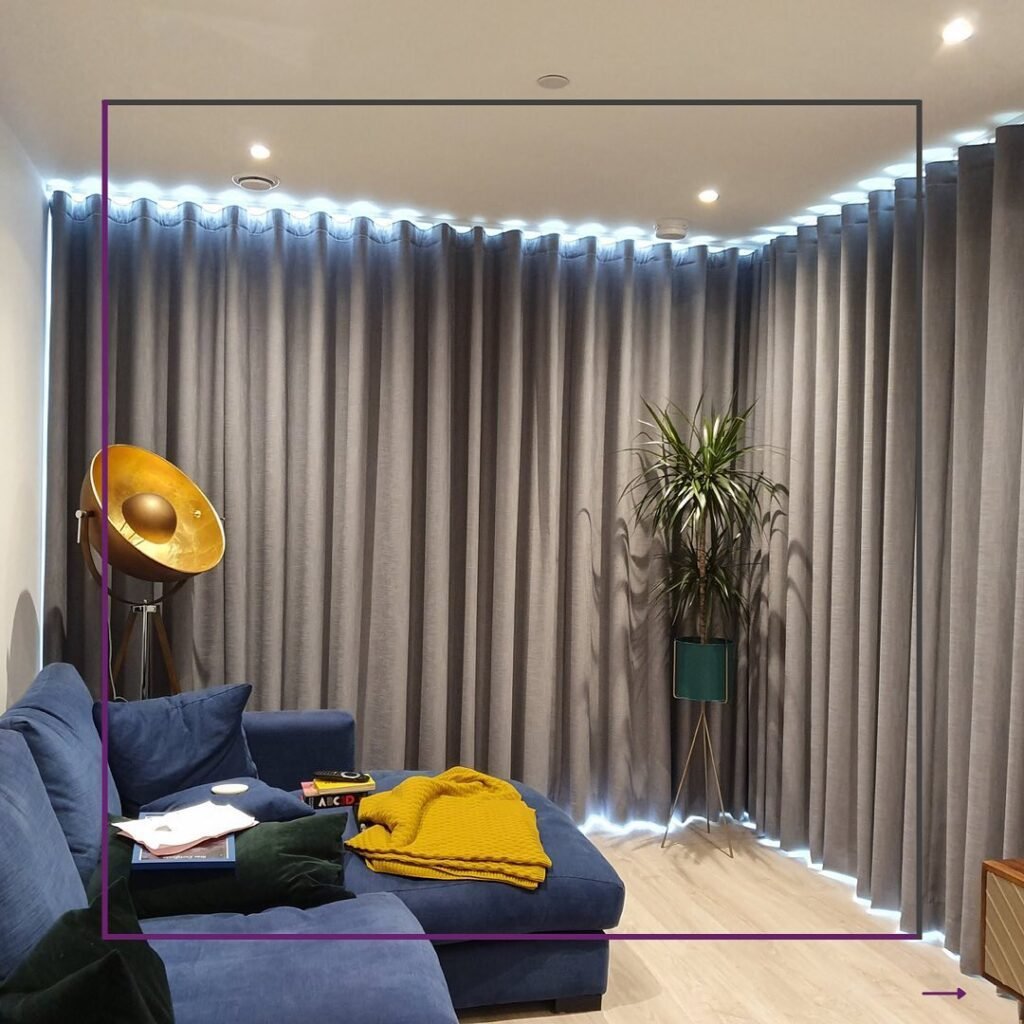
This simple trick fools the eye into thinking ceilings are taller.
Instead of placing curtain rods directly above the window frame, mount them much closer to the ceiling.
Also let curtains extend beyond both sides of the window.
This makes windows appear larger and allows more natural light inside.
Choose curtains that nearly touch—or gently puddle on—the floor.
Short curtains almost always make a room feel unfinished.
Long curtains instantly create elegance.
Even affordable curtain panels can look custom when hung correctly.
Style Your Coffee Table Like a Designer
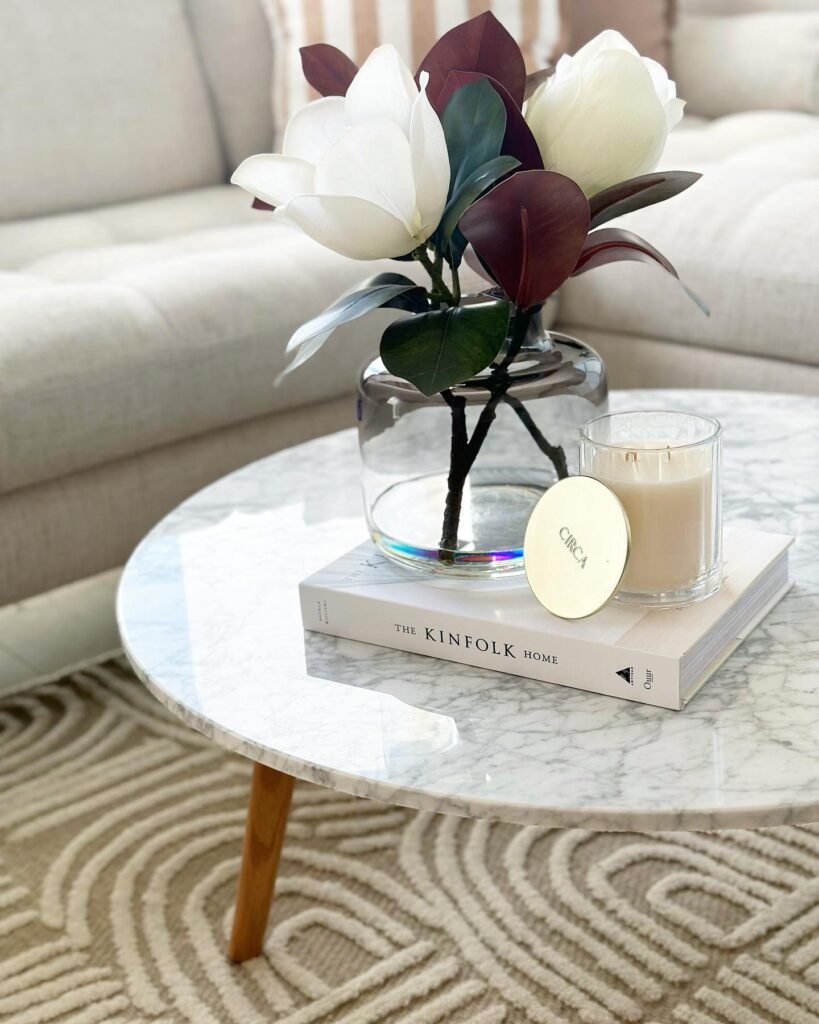
Coffee tables often become catch-all spaces.
Remote controls.
Mail.
Chargers.
Half-finished drinks.
Luxury homes rarely leave tables looking this way.
Instead, use the “group of three” approach.
For example:
- A stack of attractive books
- A candle
- A decorative bowl
Or:
- A tray
- Fresh greenery
- A ceramic vase
Using a tray helps organize everything into one intentional display instead of scattered clutter.
The goal isn’t filling the table.
It’s creating balance.
Replace Small Accessories With Natural Materials
Plastic decorations tend to look exactly like what they are.
Affordable.
Natural materials almost always feel richer.
Look for budget decor made from:
- Wood
- Stone
- Glass
- Marble-look finishes
- Linen
- Cotton
- Rattan
- Woven seagrass
- Ceramic
Stores like Target, HomeGoods, IKEA, Walmart, and thrift shops regularly carry these materials at affordable prices.
Mixing natural textures creates depth that expensive interiors are known for.
Create Height Throughout the Room
Everything sitting at the same level makes a room feel flat.
Instead, vary heights.
You can do this with:
- Tall floor lamps
- Large indoor plants
- Floating shelves
- Vertical artwork
- Floor-length curtains
- Books stacked beneath accessories
Your eye naturally travels upward, making the room feel larger.
This is one of those subtle styling tricks people don’t consciously notice—but they definitely feel it.
Swap Out Cheap Hardware
If your living room includes cabinets, built-ins, or storage furniture, changing the hardware can completely update the look.
Matte black handles.
Brushed brass pulls.
Champagne bronze knobs.
These small details often make inexpensive furniture feel much more custom.
It’s a relatively inexpensive project that delivers surprising results.
Incorporate Large Mirrors
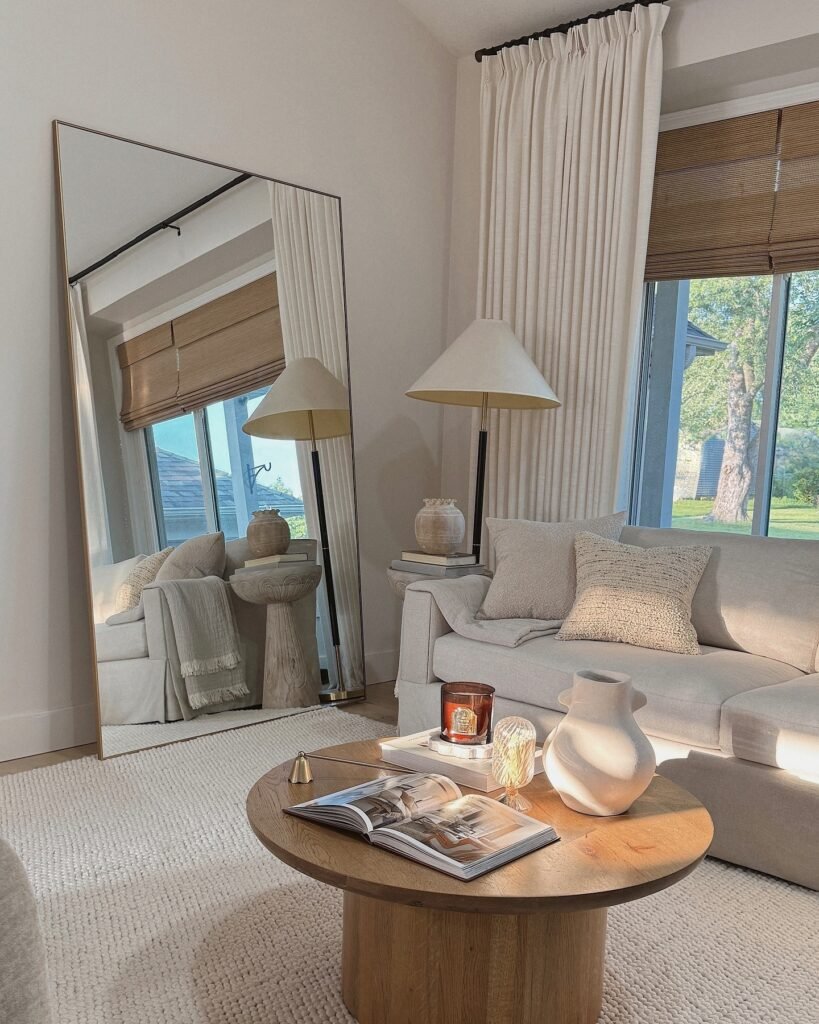
Mirrors are one of the oldest interior design tricks for a reason.
They reflect light.
They visually double the room.
They make ceilings feel taller.
They also create the impression of larger windows.
Instead of several small mirrors, choose one oversized mirror whenever possible.
Lean it against a wall or hang it opposite a window to maximize natural light.
A large mirror often becomes the focal point without requiring expensive artwork.
Bring in Real or High-Quality Faux Greenery
Nothing makes a room feel lifeless faster than fake flowers that obviously look fake.
If maintaining plants isn’t your thing, invest in one high-quality faux olive tree, rubber plant, or fiddle leaf fig instead of several cheaper artificial plants.
Better yet, use real greenery.
Even simple eucalyptus stems in a ceramic vase can make an entire room feel fresher.
Nature softens modern interiors while adding movement and color in a subtle way.
Layer Your Rug Correctly
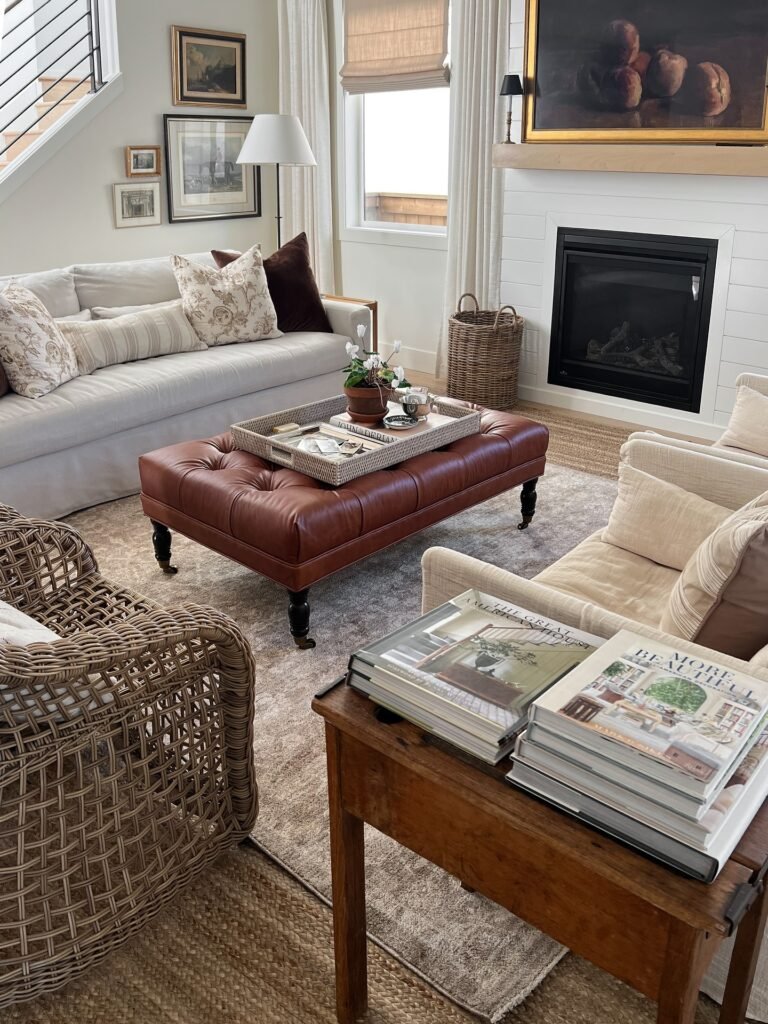
A rug that’s too small is one of the fastest ways to make a living room look unfinished.
Ideally, at least the front legs of your furniture should sit on the rug.
If your current rug feels undersized, consider layering it over a larger natural fiber rug.
This designer trick adds texture while making the entire seating area appear larger.
The room immediately feels more connected.
Don’t Push Every Piece Against the Wall
Many people assume furniture should always touch the walls to make a room appear bigger.
Ironically, the opposite often looks better.
If your space allows, pull the sofa forward just a few inches.
Leave a little breathing room behind furniture.
This creates depth and makes the layout feel intentional instead of squeezed into the room.
Even a small adjustment can completely change how the space feels.
Display Personal Pieces Thoughtfully
Luxury doesn’t mean your home has to feel like a furniture showroom.
Personal items actually make a room feel warmer.
The difference is how they’re displayed.
Instead of covering every surface with family photos and souvenirs, curate a few meaningful pieces.
Display vacation finds alongside books.
Mix framed family photos with artwork.
Pair sentimental objects with modern accessories.
The goal is balance.
Your personality should shine through without overwhelming the room.
Focus on Quality Over Quantity
When you’re decorating on a budget, it can be tempting to buy lots of inexpensive accessories.
Resist that urge.
Save for one beautiful lamp instead of buying four average ones.
Choose one quality throw blanket over several thin blankets.
Purchase one timeless vase rather than a shelf full of trendy decorations.
Expensive-looking homes usually contain fewer things—but every item feels intentional.
That’s the mindset shift that makes the biggest difference.
Small Details That Make a Big Difference
Sometimes it’s the finishing touches that quietly elevate the room.
Consider replacing worn-out lamp shades.
Hide visible charging cables.
Use matching storage baskets.
Upgrade old picture frames.
Steam wrinkled curtains.
Keep decorative books neatly stacked.
Style shelves with varying heights instead of lining everything up.
None of these projects are expensive, but together they create a polished, finished look that people associate with professionally designed homes.
When guests walk in, they probably won’t notice each individual detail.
They’ll simply think the room feels beautiful.
Final Thoughts
Learning how to make your living room look expensive using budget decor isn’t about copying luxury homes piece for piece. It’s about understanding what gives those spaces their polished appearance in the first place. A thoughtful color palette, layered lighting, natural textures, larger statement pieces, and intentional styling can completely transform a room without draining your budget.