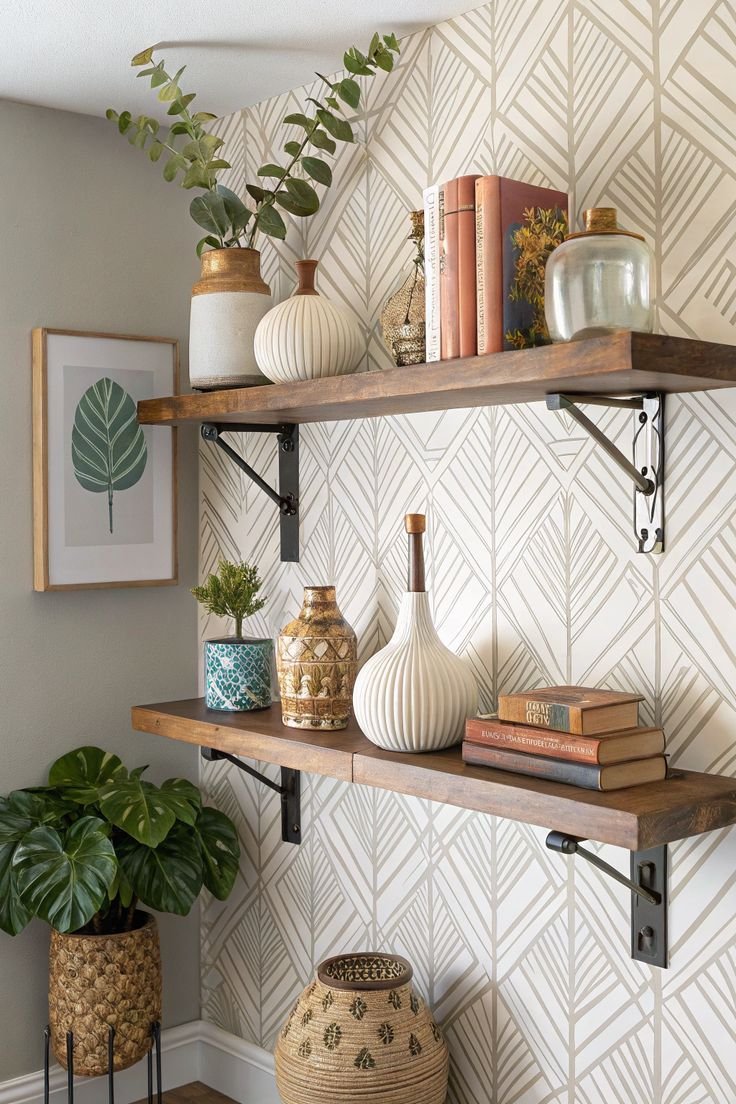

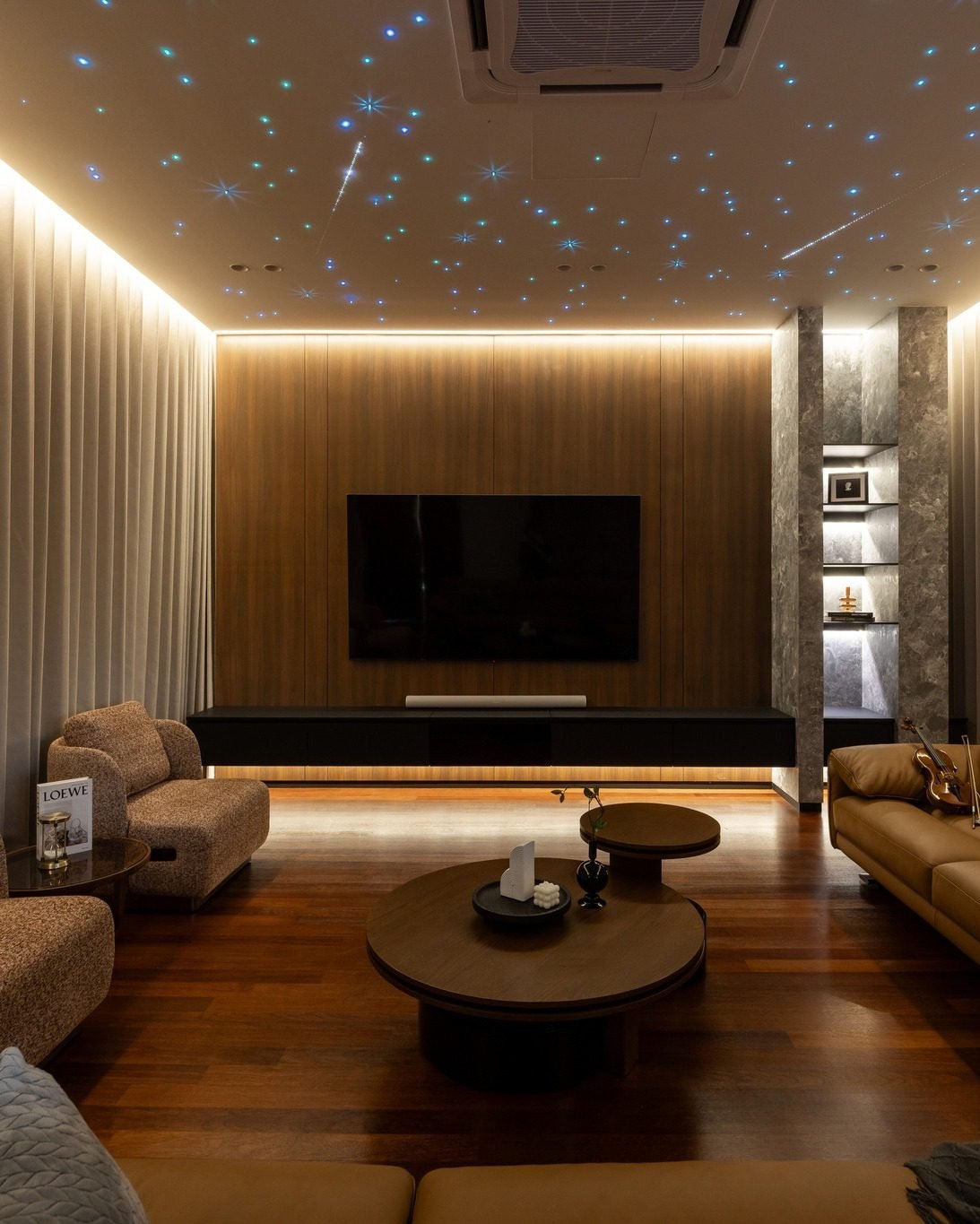
You’ve rearranged the furniture three times. You bought a new rug, added some throw pillows, maybe even repainted a wall. But something still feels off the room looks fine in photos but kind of dead in real life. Flat. A little sad, honestly.
Nine times out of ten, the problem isn’t your furniture or your color palette. It’s your lighting.
Most people treat lighting like an afterthought — one overhead fixture per room, maybe a lamp in the corner if they’re feeling fancy. But that’s exactly why so many homes feel like waiting rooms instead of actual living spaces. Learning how to layer lighting like a pro is genuinely one of the highest-impact things you can do for a room, and the good news? It doesn’t require an electrician or a huge budget. It just requires understanding a few things that most people never think about.
Let’s get into it.
The Real Reason Your Lighting Feels Wrong
Here’s the thing — most homes in the US are set up with a single overhead light source per room. A flush mount on the ceiling, maybe a basic chandelier in the dining room. That’s it. Builders do this because it’s cheap and passes code. It was never meant to be the finished product.
Overhead-only lighting creates what designers call “flat light.” It illuminates everything from above at the same intensity, which flattens shadows, removes depth, and makes a space feel institutional. Think about how a grocery store is lit — bright, even, functional. That’s what a single overhead does to your living room.
The fix isn’t dimming that overhead (though that helps). The fix is adding more light sources at different heights and with different purposes. That’s literally what layering lighting means.
The Three Layers You Actually Need
Every well-lit room has three types of light working together. You don’t need to nail all three perfectly — even getting two right makes a dramatic difference.
Ambient Lighting (The Base Layer)
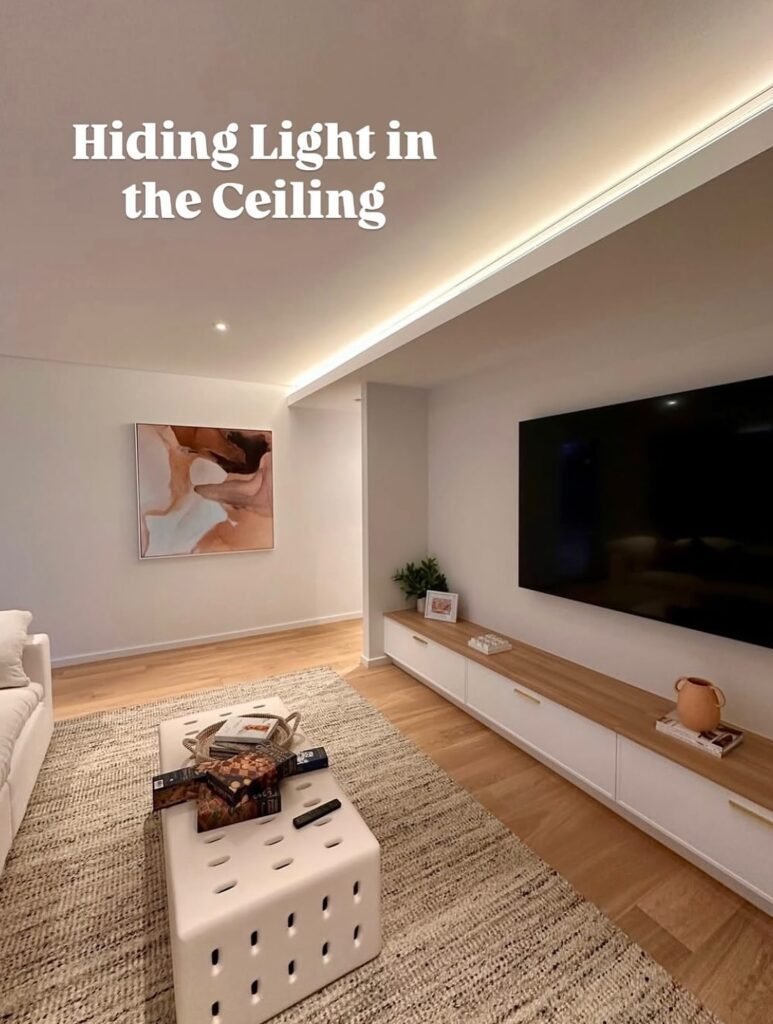
Ambient light is your room’s overall illumination. It answers the question: can I see in here? This is usually your overhead fixture, recessed cans, or a ceiling fan with lights.
Most people stop here. Don’t stop here.
Ambient light should be dimmable whenever possible. This is non-negotiable if you want flexibility. A room at 100% overhead brightness feels very different at 40%, and having that control lets the other layers do their job. If your current fixtures aren’t on a dimmer, a smart bulb like a Philips Hue or a simple dimmer switch swap (under $20 at any hardware store) solves this without rewiring.
One thing to pay attention to: the color temperature of your ambient light matters more than most people realize. Bulbs in the 2700K–3000K range give off warm, slightly golden light that makes skin tones look good and spaces feel cozy. Anything above 4000K starts to feel clinical. Most builder-grade fixtures come loaded with the wrong bulbs — check yours.
Task Lighting (The Functional Layer)
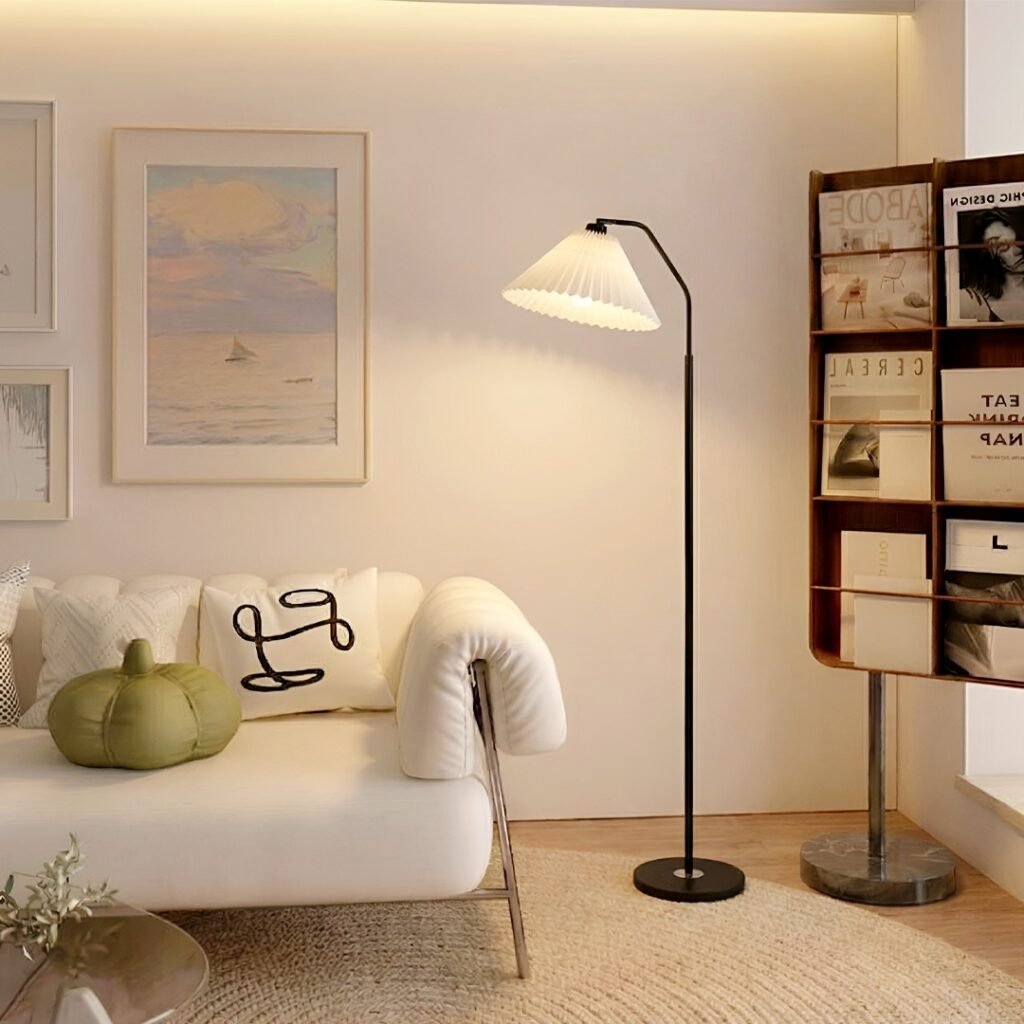
Task lighting is exactly what it sounds like — light that helps you do something. Reading lamp next to a chair. Under-cabinet lights in the kitchen. A sconce above the bathroom mirror.
What most people get wrong here is treating task lighting as purely practical and ignoring how it looks. A good task light does its job and adds visual interest to the room. A sculptural floor lamp next to your sofa isn’t just helping you read — it’s also adding height, warmth, and personality.
The key principle with task lighting: position it so the light source itself isn’t directly in your line of sight. If you can see the bare bulb when you’re sitting in your normal position, it’ll create glare and strain your eyes. Shaded lamps, adjustable arms, and frosted bulbs all help with this.
Accent Lighting (The Layer That Changes Everything)
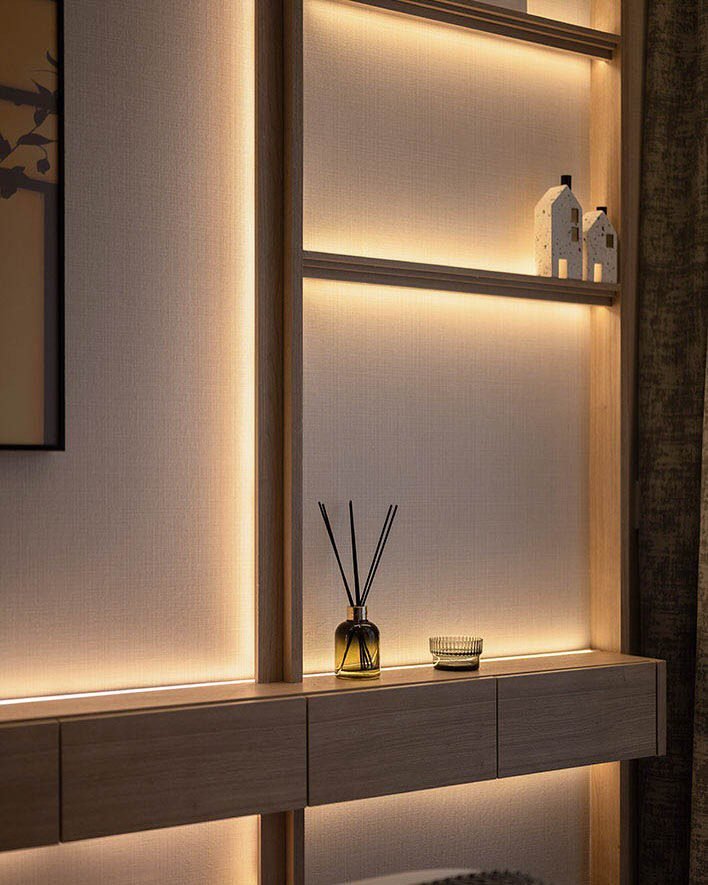
This is the one most people skip, and it’s the one that makes the biggest visual difference. Accent lighting is decorative and directional — its job is to highlight something specific and create contrast.
Think: a picture light above artwork, a small spotlight aimed at a plant in the corner, LED strip lights inside a bookshelf, a candle cluster on a coffee table. These lights don’t illuminate the room in any practical sense. What they do is create pools of light — areas of brightness surrounded by shadow — and that contrast is what gives a room depth and drama.
Here’s why this works psychologically: our brains find rooms with varied light levels more interesting and more comfortable than evenly lit spaces. It mirrors how light works outdoors — dappled, varied, sometimes bright and sometimes shadowed. Flat, even light reads as artificial. Layered light reads as home.
Common Mistakes That Flatten Your Space
Relying Only on Overhead Lights
Already covered this, but it bears repeating: if your only light sources are ceiling-mounted, your room will always feel flat. No amount of decor fixes this.
All Your Lights Are the Same Height
This one’s sneaky. If all your lamps sit at the same height — say, two matching table lamps on either side of a sofa — the light layer they create is visually monotonous. Mix heights intentionally: a tall arc floor lamp, a mid-height table lamp, and low candlelight or a short table lamp create a much more interesting light composition.
Mismatched Color Temperatures
Walk through your house and look at every bulb. Are they all the same warmth? Probably not. Mixing a warm 2700K lamp with a cool 5000K overhead creates a visual clash that’s hard to pin down but feels wrong. Pick a temperature and stick with it throughout the room. Warm (2700K–3000K) works for living rooms and bedrooms. Neutral (3500K–4000K) is fine for kitchens and bathrooms.
Too Much Light, No Contrast
More light isn’t always better. A room where every corner is fully lit has no mystery, no depth. What actually works is leaving some areas in soft shadow while highlighting others. Think of it like photography — the shadows are part of the composition.
How to Actually Layer Lighting: A Room-by-Room Approach
Living Room
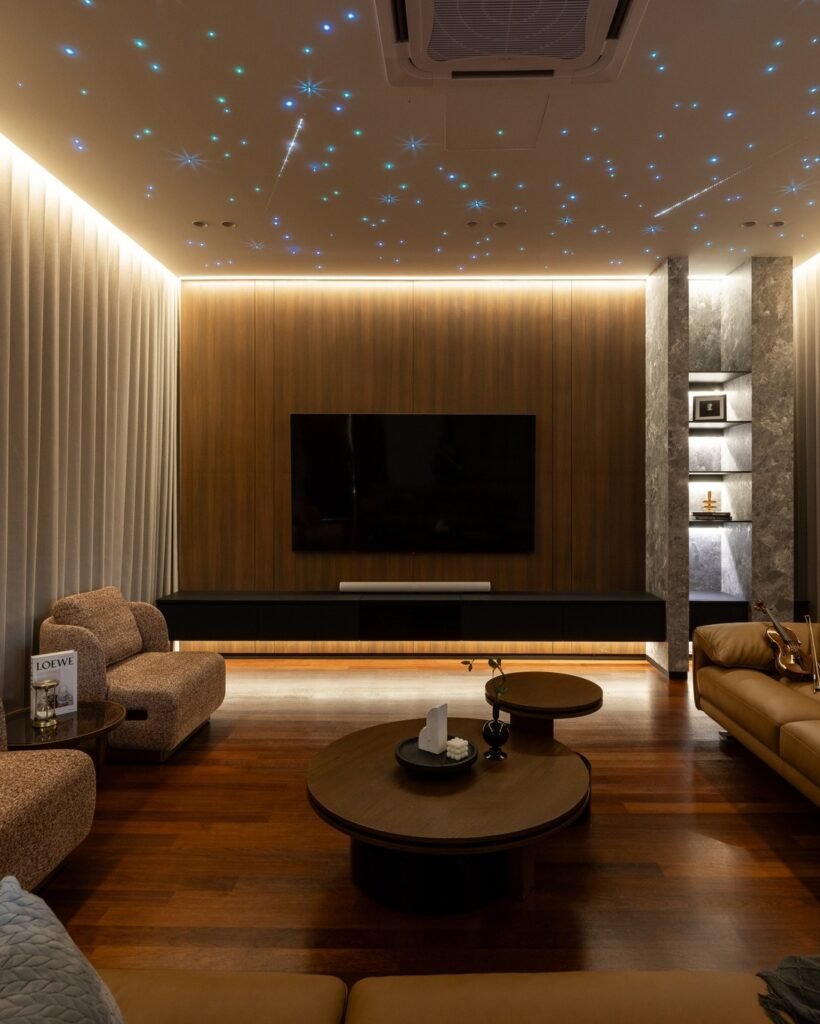
Start with your overhead on a dimmer. Add a floor lamp near the seating area — positioned so it throws light down and outward, not just up. Add a table lamp on a side table or console. Then add one accent layer: a candle grouping on the coffee table, a lit shelf, or a small spotlight aimed at a large plant or piece of art.
If you do nothing else, just get a dimmable overhead and add two lamps at different heights. Your living room will feel completely different after dark.
Bedroom
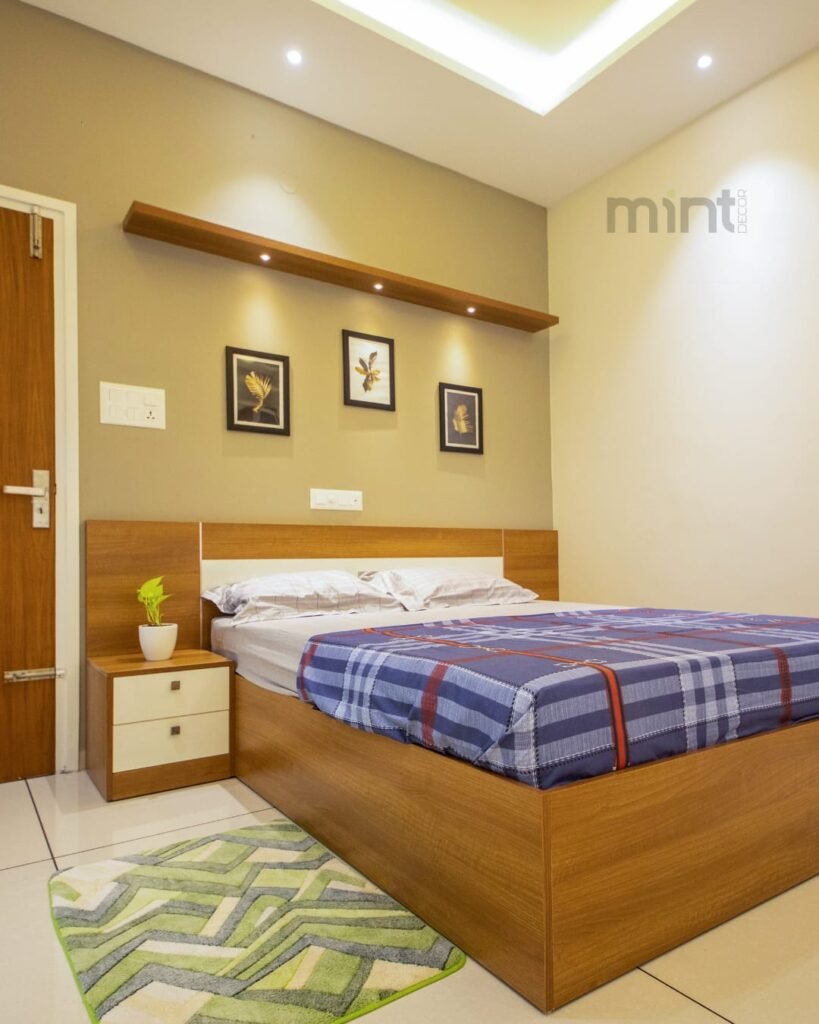
The biggest mistake in bedrooms is using overhead light at night. By the time you’re winding down, the last thing your brain needs is bright overhead light blasting from above — it signals “daytime” to your nervous system and kills melatonin production.
Layer in bedside lamps (lower, warmer light) and get that overhead on a dimmer you can drop way down. Add a small accent — a string of warm Edison lights, a salt lamp, candles — something that creates a low-glow option for the evenings when you want the room to feel like a retreat.
Kitchen
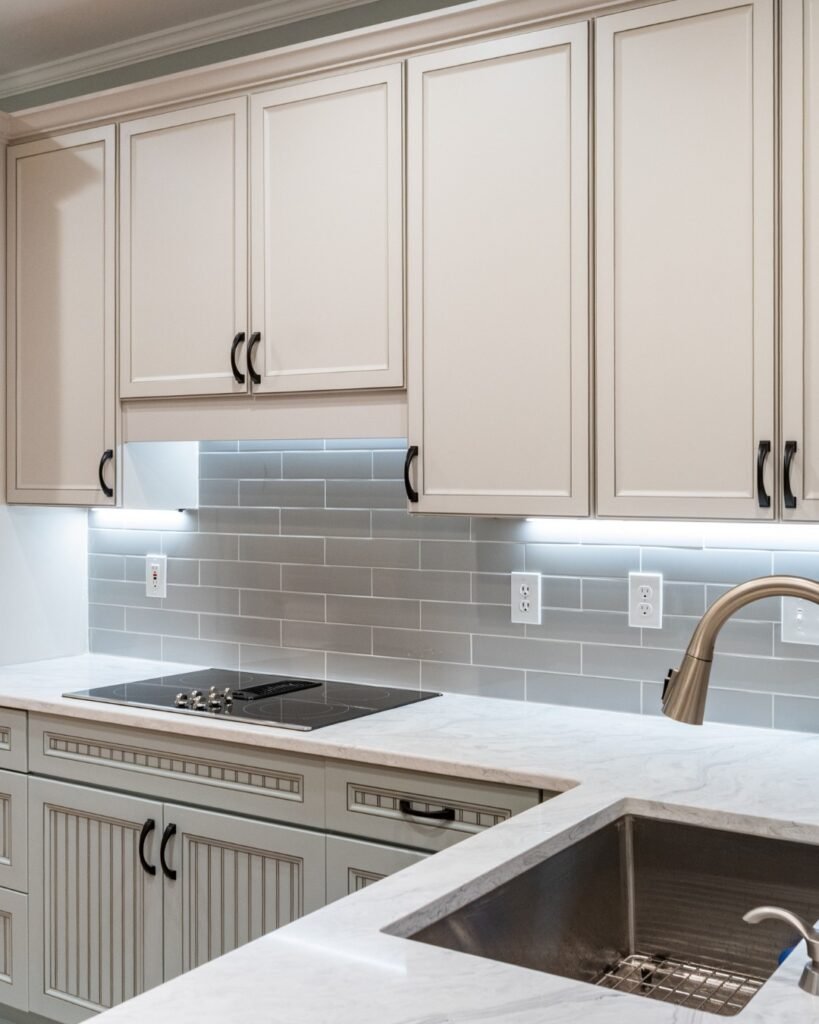
Kitchens need the most task lighting of any room. Under-cabinet lighting is the single best upgrade most kitchens never get — it lights the counter directly where you’re working and eliminates the shadow cast by your own body when the overhead is behind you.
Layer in pendant lights over an island if you have one. They add height, warmth, and a focal point. Keep them at eye level when seated — not so high they lose their visual impact, not so low you’re ducking around them.
A Few Practical Tips That Actually Make a Difference
Use lampshades strategically. Lighter shades (white, cream, light linen) diffuse light outward and brighten the room. Darker shades focus light downward and create cozier, more intimate pools of light. Neither is wrong — just know what you’re getting.
Don’t skip plug-in options. Not every lighting solution needs hardwiring. Plug-in sconces, battery-operated picture lights, and plug-in pendants have gotten genuinely good in the last few years. If you rent, or just don’t want to call an electrician, there are real options.
Mirrors double your light. Positioning a mirror across from a lamp or window bounces that light around the room. It’s one of the easiest tricks in the book and it’s completely free if you already own a mirror.
Think in zones, not rooms. Instead of asking “is my living room lit?” ask “is each zone in my living room lit?” The reading corner, the TV area, the conversation area — each should have its own light source.
The Takeaway
Layering lighting isn’t complicated once you understand the three-layer framework: ambient for the base, task for function, accent for drama. The goal isn’t to fill a room with light it’s to create variation, warmth, and depth. Start by getting your overhead on a dimmer, add at least two additional light sources at different heights, and pay attention to color temperature consistency.
Pick one room, try it this week, and see what happens. Lighting changes are fast and reversible, which makes them low-risk.