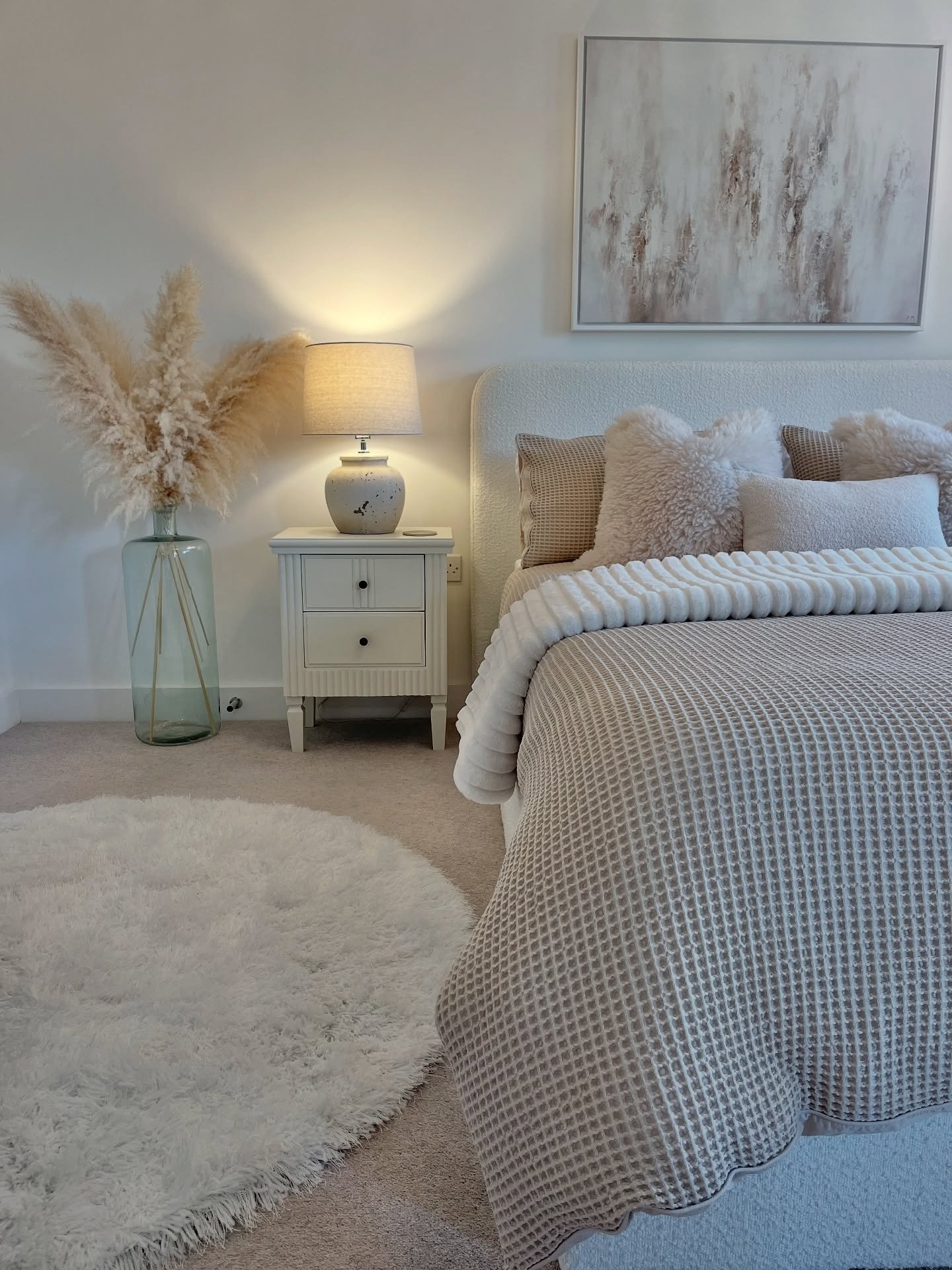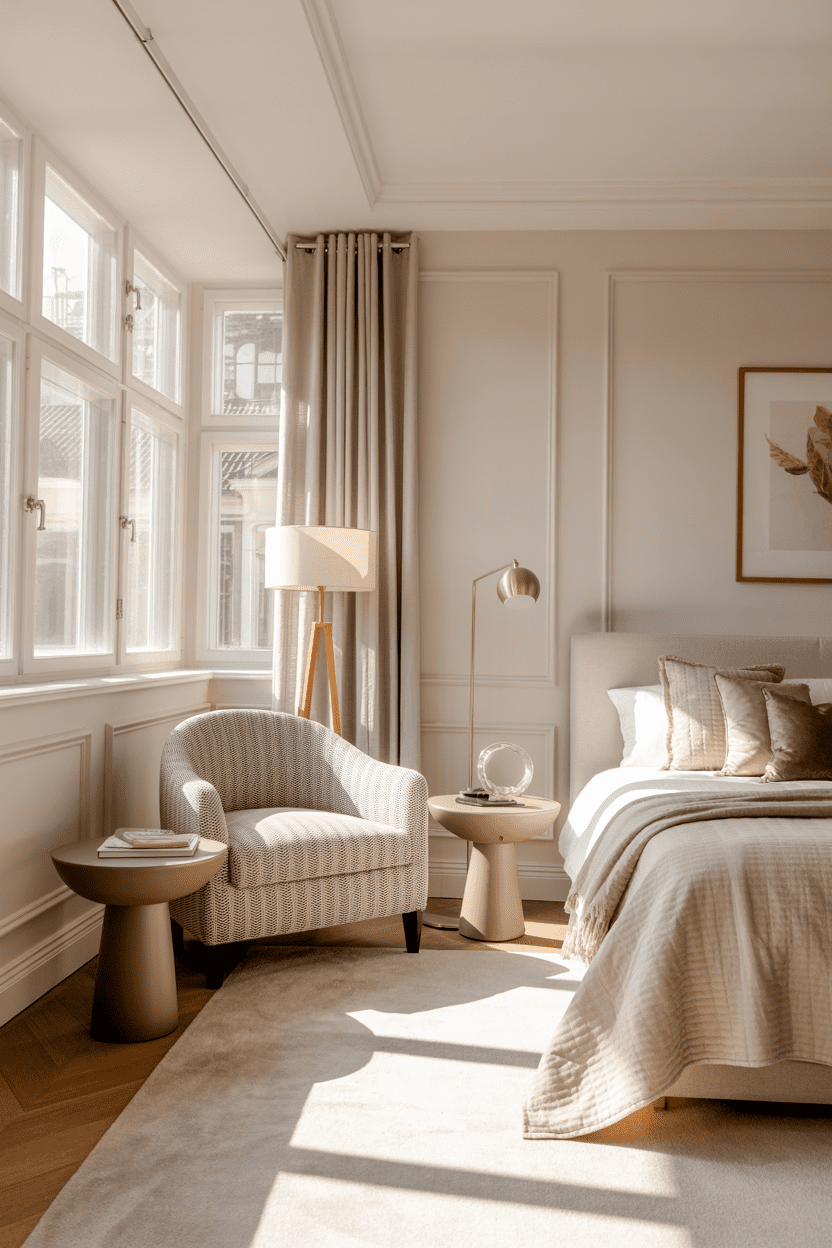

If your bedroom feels more chaotic than calming lately, you’re definitely not alone. It’s surprisingly easy for a space to become cluttered with extra furniture, random decor, laundry piles, and all those little things that somehow accumulate overnight. The problem is that when your bedroom feels busy, it’s harder to truly relax and unwind.
That’s exactly why Japandi design has become so popular. It combines the cozy simplicity of Scandinavian interiors with the timeless elegance of Japanese design. The result? A bedroom that feels peaceful, intentional, and incredibly welcoming without looking cold or empty.
What I love most about Japandi bedrooms is that they aren’t about perfection. They’re about creating a space that feels balanced, functional, and calming every time you walk into it. Whether you’re planning a full makeover or just want a few simple updates, these Japandi bedroom ideas will help you create a minimalist retreat that feels warm, comfortable, and effortlessly stylish.
1. Start with a Low Platform Bed

One of the easiest ways to create a Japandi-inspired bedroom is by choosing a low-profile platform bed. This design instantly makes the room feel grounded and connected to the space around it.
Japanese interiors often emphasize simplicity and closeness to nature, while Scandinavian design focuses on clean lines. A low platform bed perfectly blends both styles. The lower height also creates the illusion of higher ceilings, making even small bedrooms feel more spacious.
If buying a new bed isn’t in the budget, consider removing bulky bed frames and opting for a simpler setup. Natural wood finishes work especially well for achieving that authentic Japandi look.
2. Embrace a Soft Neutral Color Palette

When people think of minimalist design, they often imagine stark white rooms. Japandi interiors take a softer approach.
Think warm beige, creamy white, muted taupe, sandy brown, and gentle gray. These calming shades create a relaxing atmosphere without feeling sterile or boring.
If you want something that actually works long-term, stick to colors inspired by nature. Layering several neutral tones together adds depth while maintaining the peaceful vibe that makes Japandi bedrooms so appealing.
3. Let Natural Wood Be the Star
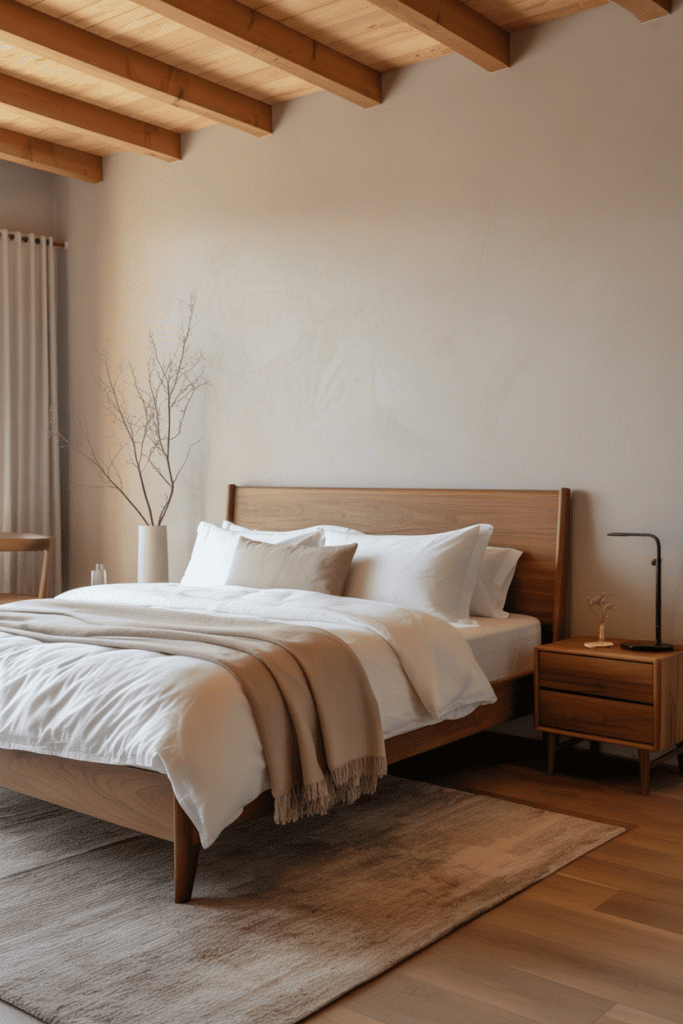
Natural wood is practically the backbone of Japandi design.
Whether it’s your bed frame, nightstands, shelving, or decorative accents, wood adds warmth and organic texture that keeps minimalism from feeling cold.
Light oak, ash, walnut, and bamboo are all excellent choices. The goal isn’t to match everything perfectly. In fact, mixing slightly different wood tones often creates a more collected and natural appearance.
4. Choose Quality Over Quantity
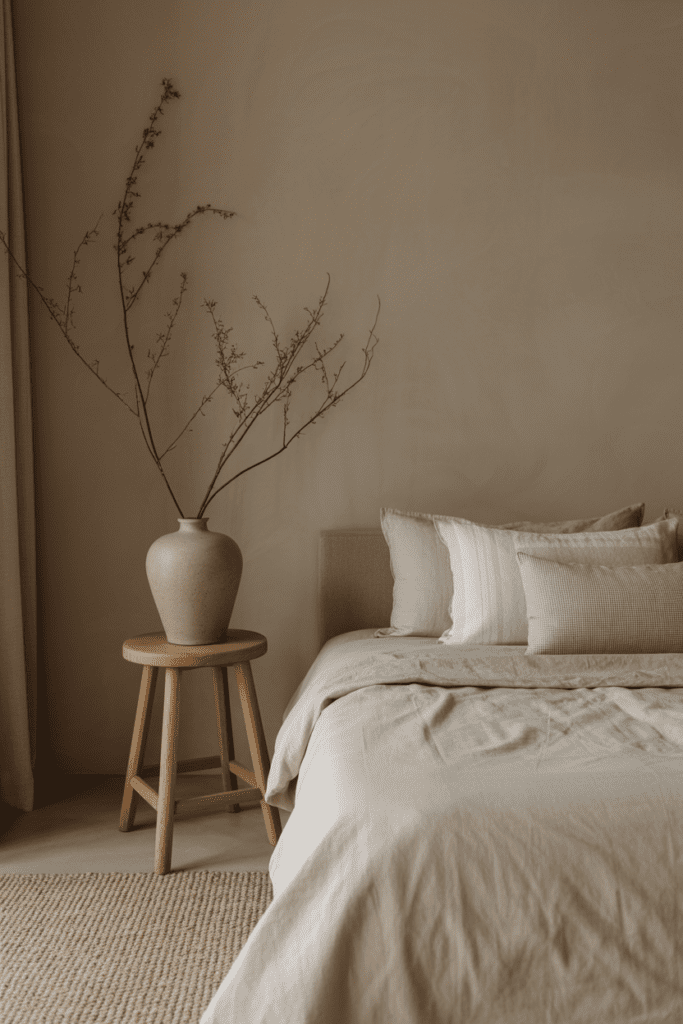
This is one of those Japandi bedroom ideas that completely changes how a room feels.
Instead of filling your bedroom with lots of decor, focus on fewer pieces that have meaning and purpose. Every item should contribute something, whether that’s function, comfort, or beauty.
A carefully selected lamp, a beautiful ceramic vase, or a handcrafted stool often makes a bigger impact than shelves crowded with accessories. Less visual clutter naturally creates a calmer environment.
5. Add Linen Bedding for Effortless Texture

Minimalist rooms can sometimes feel flat if there isn’t enough texture. That’s where linen bedding comes in.
Soft, slightly wrinkled linen instantly adds character while maintaining the relaxed, organic aesthetic that Japandi design is known for. The imperfect texture feels lived-in and welcoming rather than overly styled.
Choose earthy colors like oatmeal, stone gray, ivory, or muted sage to complement the rest of your neutral palette.
6. Keep Nightstands Simple and Functional
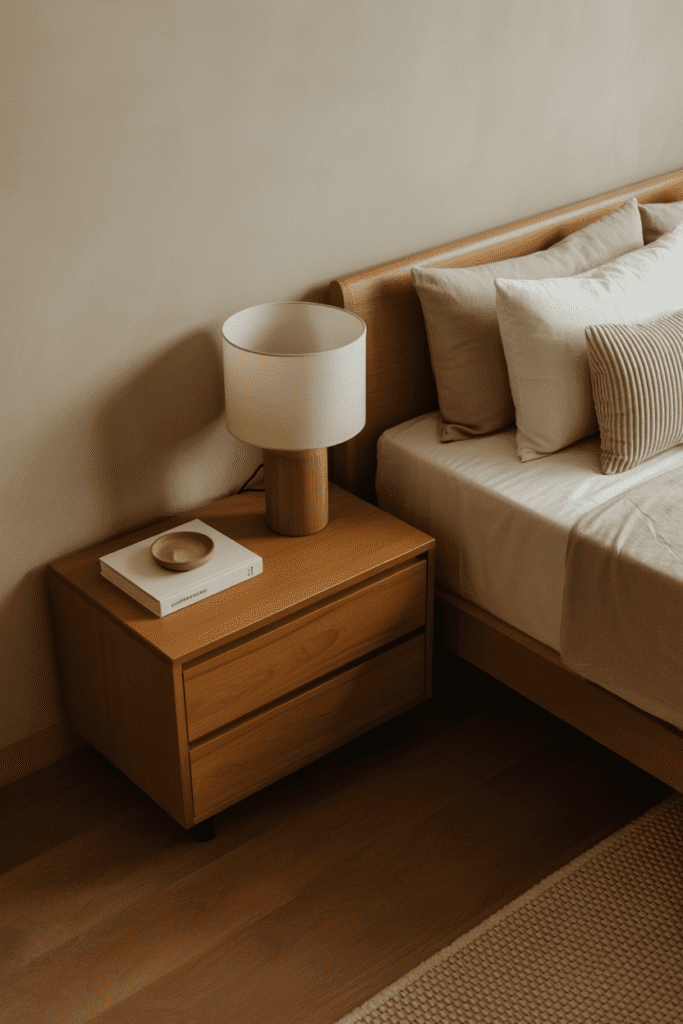
Nightstands are often overlooked, but they can quickly become clutter magnets.
In a Japandi bedroom, nightstands should serve a purpose without adding visual noise. Look for simple wood designs with clean silhouettes and minimal detailing.
Instead of covering them with books, chargers, and miscellaneous items, keep only the essentials. A lamp, a favorite book, and perhaps a small ceramic dish are often all you need.
7. Bring Nature Indoors
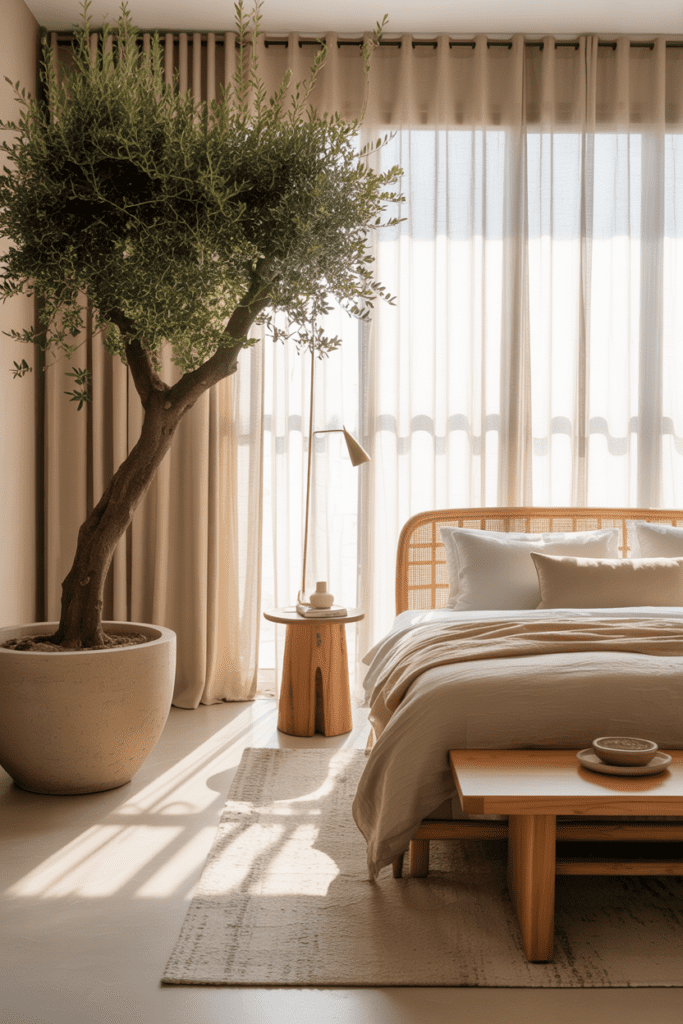
Plants play an important role in both Japanese and Scandinavian interiors.
They introduce life, freshness, and subtle color while strengthening the connection between indoor and outdoor spaces. The key is choosing plants thoughtfully rather than turning your bedroom into a jungle.
A single olive tree, fiddle leaf fig, or snake plant can make a beautiful statement while maintaining the minimalist aesthetic.
8. Incorporate Handmade Ceramics
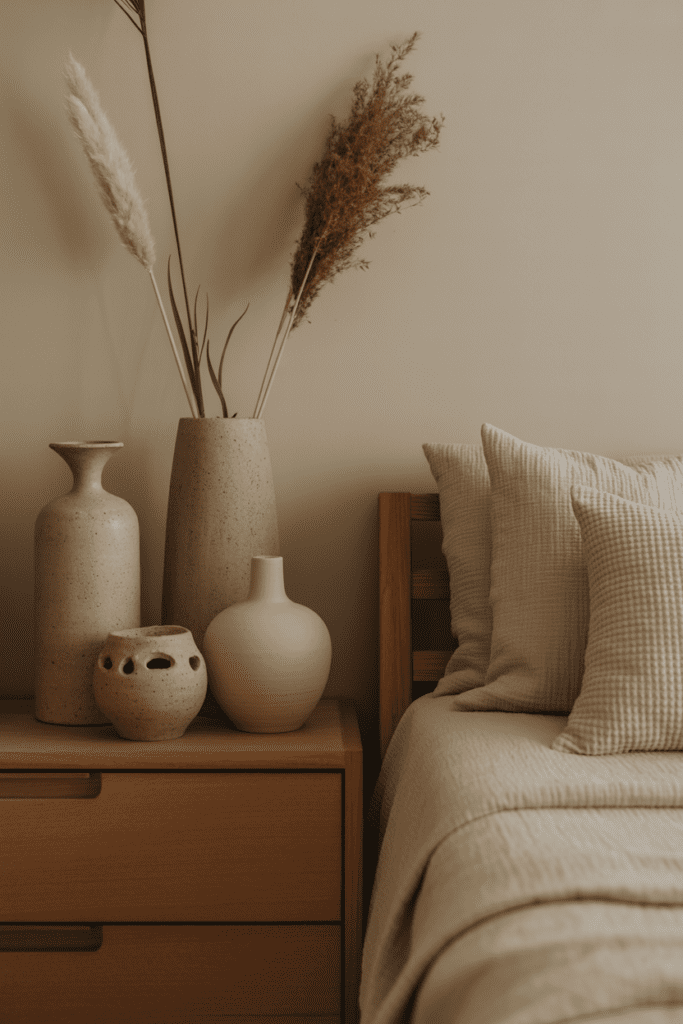
One detail that really captures the spirit of Japandi design is handcrafted pottery.
Handmade ceramics celebrate natural imperfections, which aligns beautifully with the Japanese concept of appreciating authenticity and simplicity.
A textured vase on a dresser, a ceramic tray on your nightstand, or a handmade bowl for jewelry storage adds character without overwhelming the space.
9. Use Soft Ambient Lighting
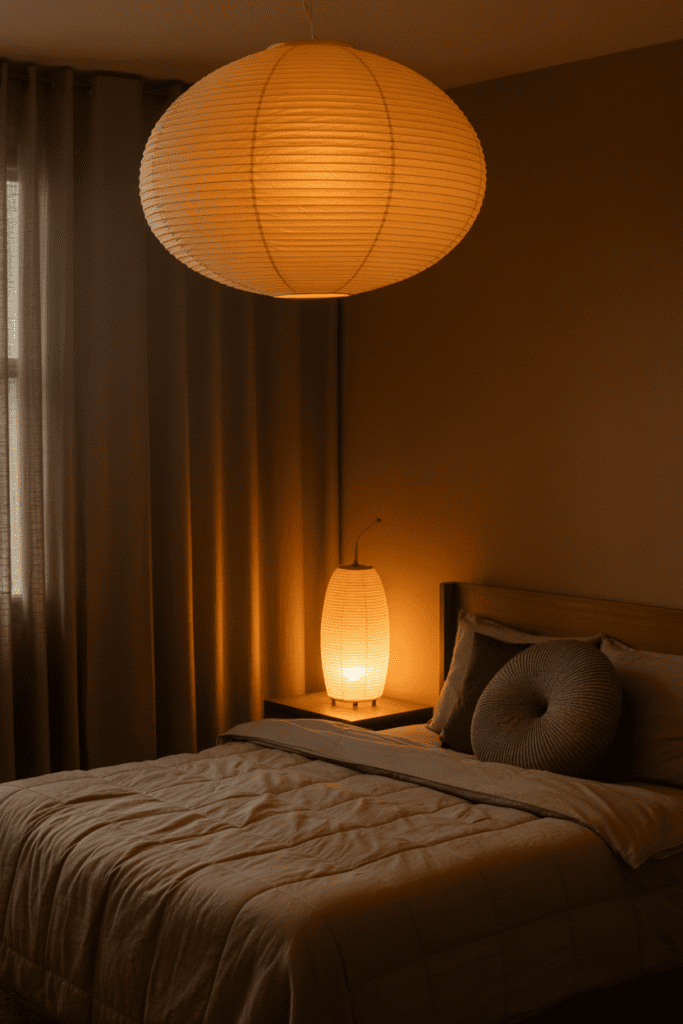
Lighting can completely change the mood of a bedroom.
Japandi spaces avoid harsh overhead lighting whenever possible. Instead, they rely on layered lighting that creates a warm, inviting glow.
Paper lanterns, linen lampshades, wooden table lamps, and wall sconces all work beautifully. The goal is to create a gentle atmosphere that encourages relaxation and rest.
10. Keep Window Treatments Light and Airy
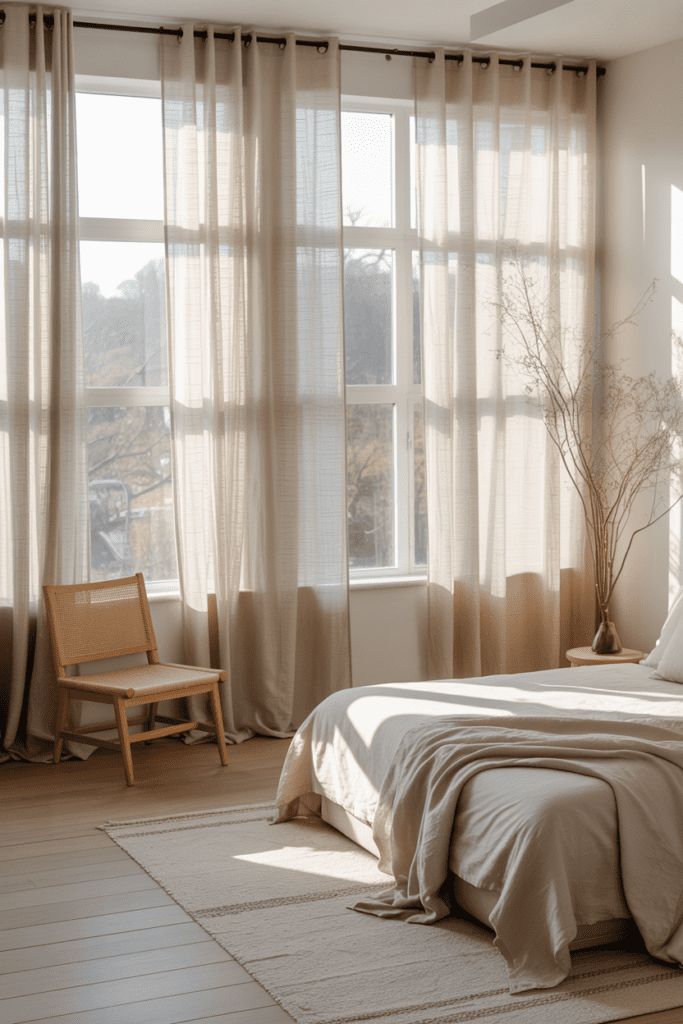
Natural light is a major feature in Japandi interiors.
Heavy curtains can make a room feel closed off and visually heavy. Lightweight linen curtains or simple woven shades allow sunlight to filter through while maintaining privacy.
The softer the natural light appears, the more peaceful the entire room feels throughout the day.
11. Create Breathing Room Around Furniture
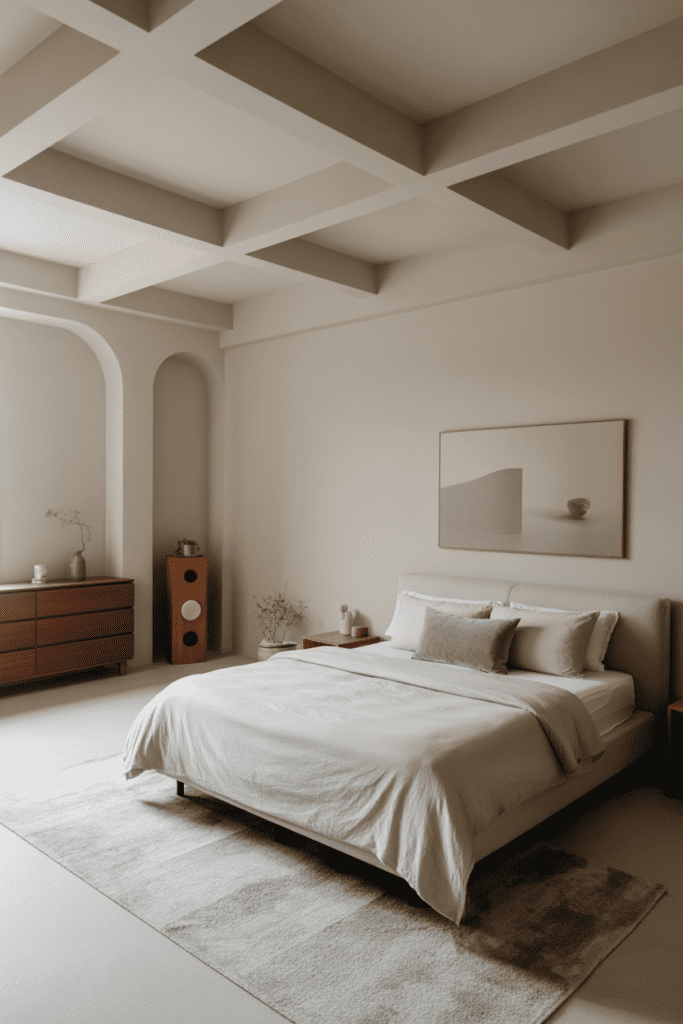
A common decorating mistake is trying to fill every corner of a room.
Japandi design embraces negative space. Empty areas aren’t wasted space—they help highlight the furniture and decor you do have.
Leaving room around your bed, dresser, and seating area creates a sense of openness that makes the entire bedroom feel calmer and more intentional.
12. Introduce Woven Natural Materials
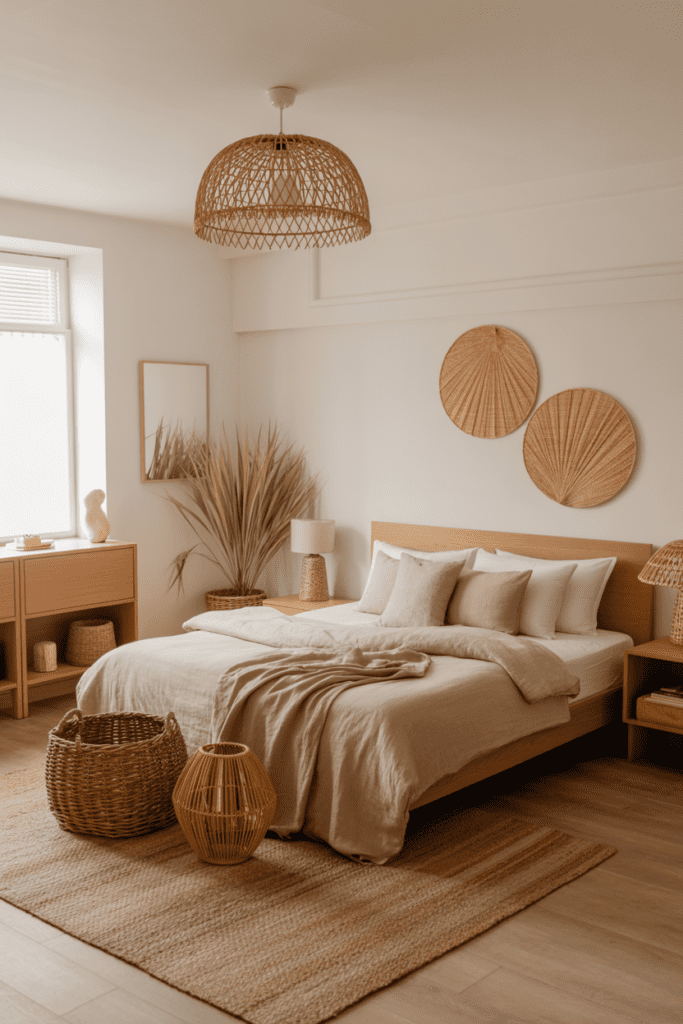
Texture is essential in minimalist interiors, and woven materials provide plenty of it.
Rattan, jute, seagrass, bamboo, and wicker all complement the natural aesthetic beautifully. These materials add warmth without introducing visual clutter.
Try a woven pendant light, a jute area rug, or a rattan storage basket to bring subtle texture into the room.
13. Display Meaningful Artwork
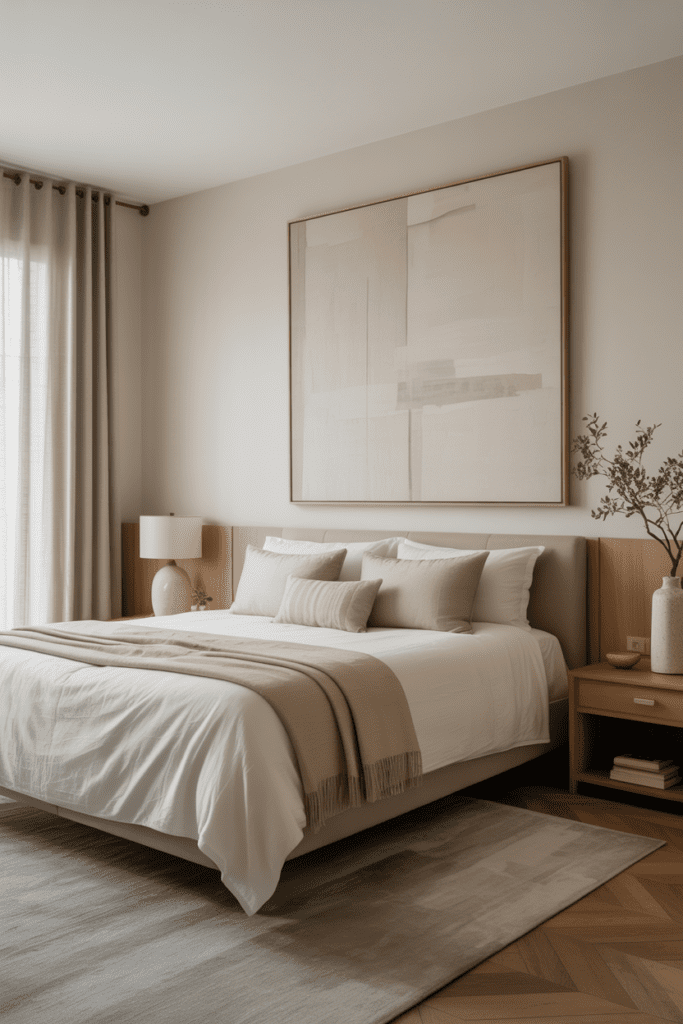
Artwork in a Japandi bedroom should feel intentional rather than decorative for decoration’s sake.
Large abstract prints, botanical sketches, landscape photography, or minimalist line drawings work particularly well. Stick to calming colors that blend naturally with the rest of the room.
One larger piece often feels more impactful than a crowded gallery wall.
14. Hide Everyday Clutter
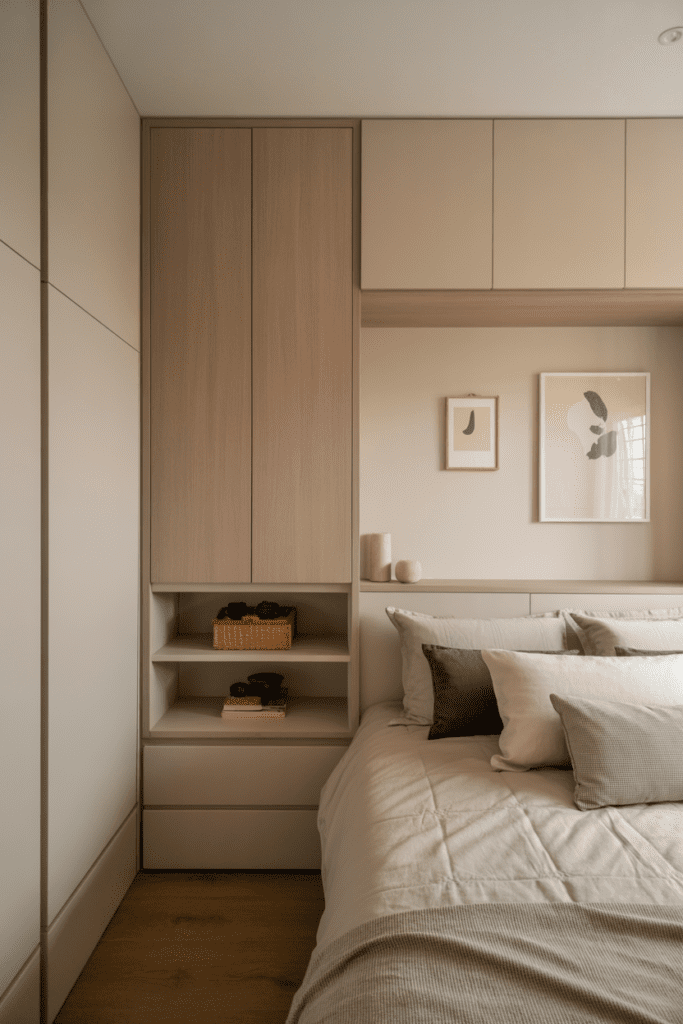
Let’s be honest—minimalist bedrooms aren’t relaxing if they’re constantly messy.
One reason Japandi spaces feel so peaceful is because clutter is kept out of sight. Closed storage solutions help maintain clean visual lines throughout the room.
Storage benches, under-bed drawers, wardrobes with simple fronts, and woven baskets all make organization easier while supporting the overall design style.
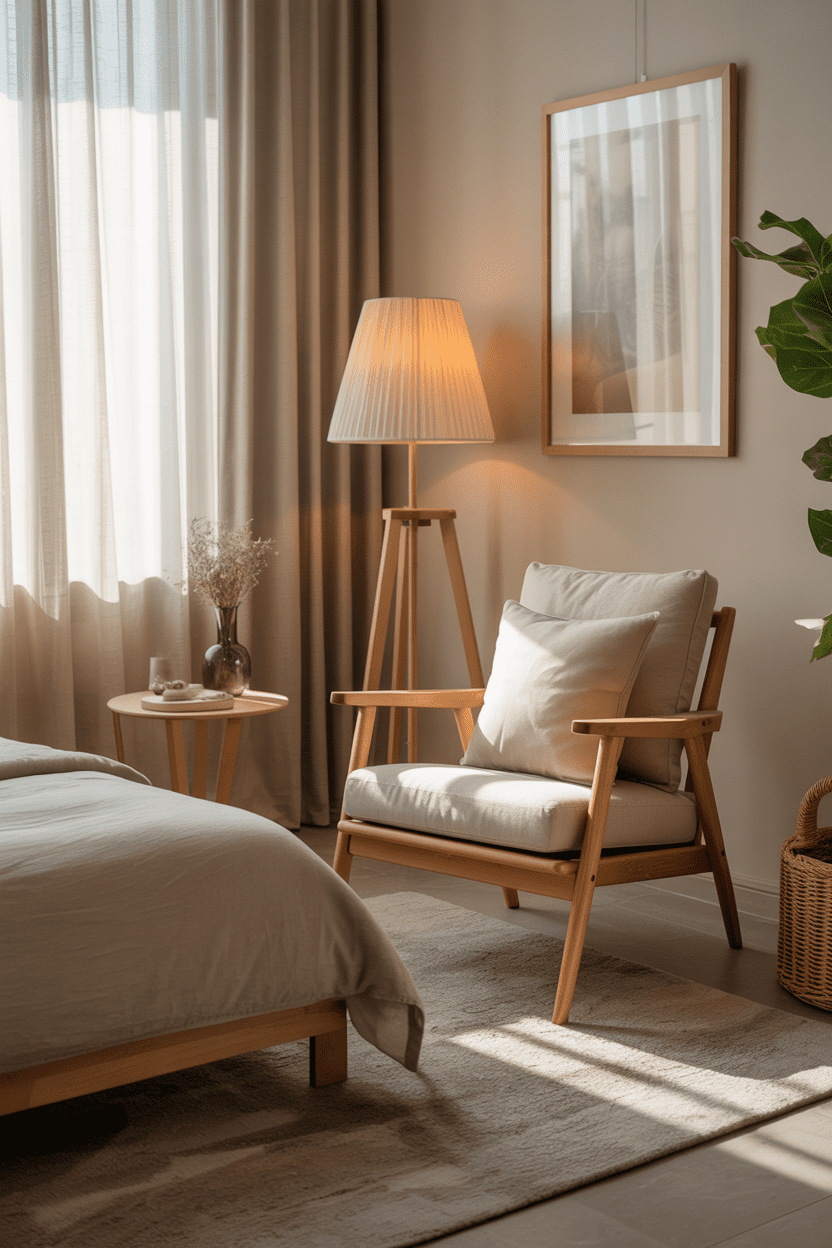
15. Add a Cozy Reading Corner
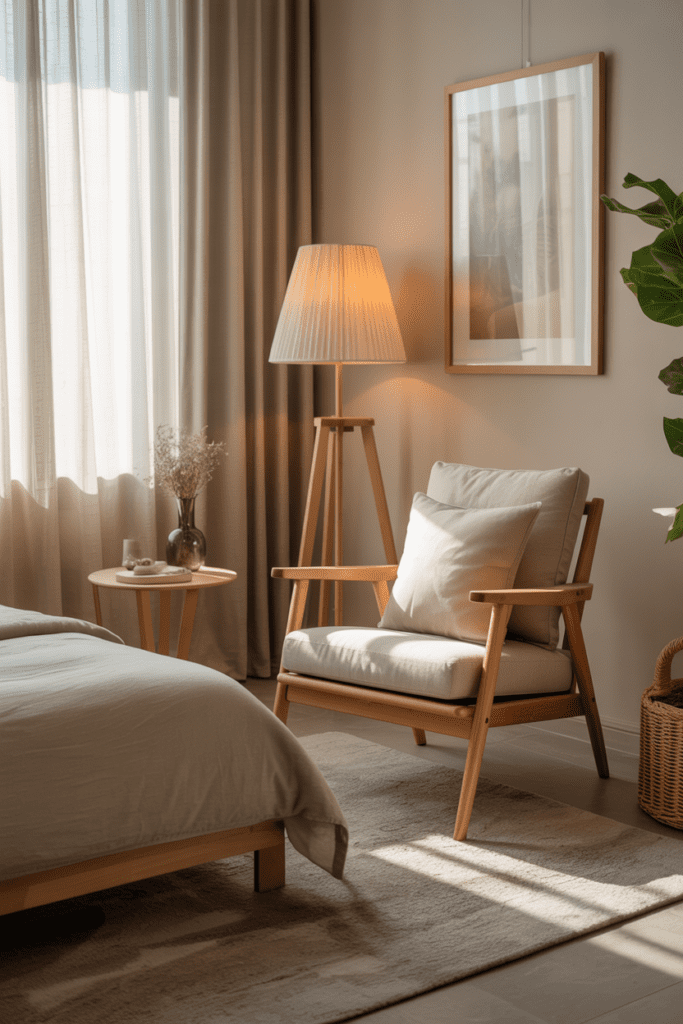
If space allows, consider creating a small reading nook.
A simple wooden chair, a comfortable cushion, and a floor lamp can turn an unused corner into a peaceful retreat. This kind of functional simplicity is very much in line with Japandi principles.
It doesn’t need to be elaborate. The goal is simply to create a spot where you can slow down and enjoy a quiet moment.
16. Mix Scandinavian Comfort with Japanese Simplicity
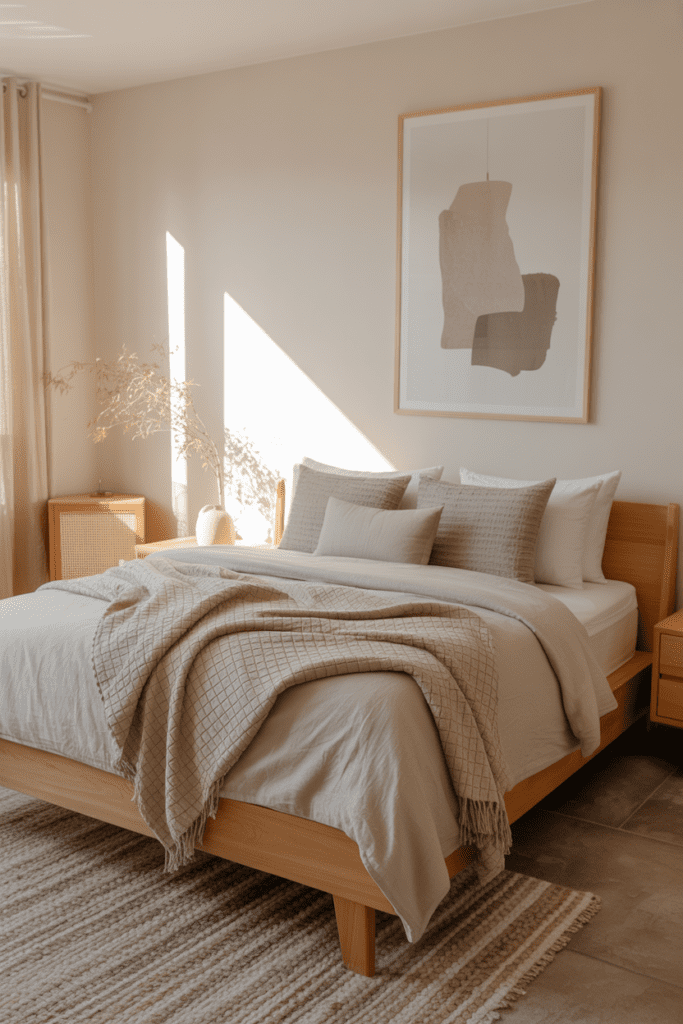
The beauty of Japandi design comes from balancing two styles rather than fully committing to one.
Scandinavian interiors contribute warmth, comfort, and coziness, while Japanese design introduces restraint and intentionality. Together, they create spaces that feel both welcoming and uncluttered.
Think soft throws paired with clean-lined furniture, or cozy textiles balanced by minimal decor.
17. Focus on Calm, Not Perfection
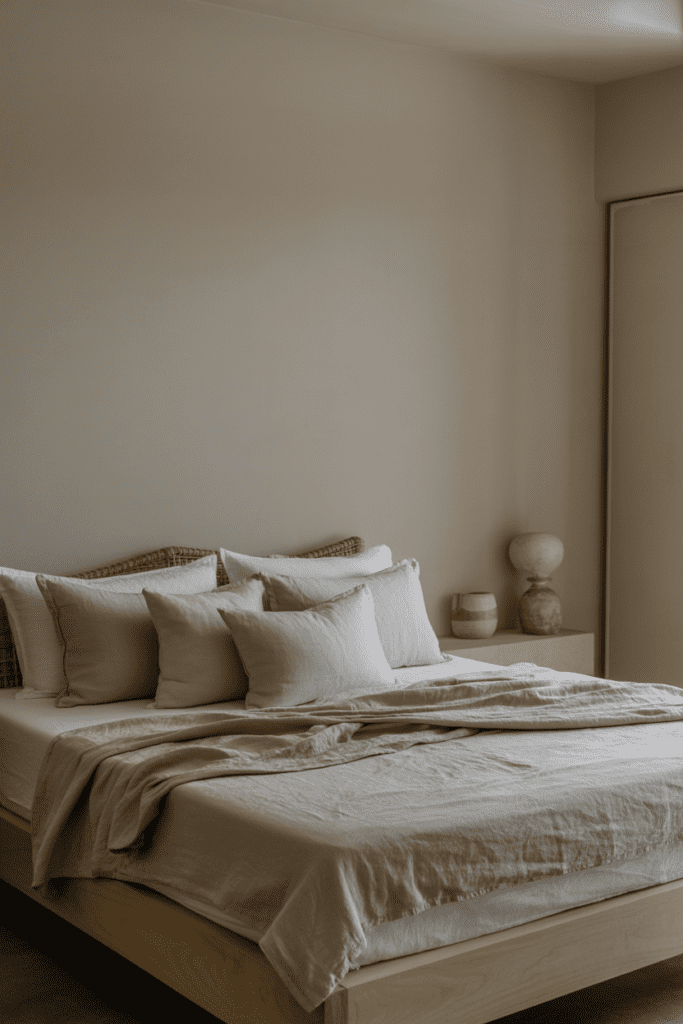
This may be the most important Japandi bedroom idea of all.
Many people assume minimalism means everything has to look flawless. In reality, Japandi design celebrates simplicity, natural materials, and lived-in beauty.
Your bedroom doesn’t need to resemble a magazine spread. It simply needs to feel calm, functional, and comfortable for your everyday life. A few imperfections often make a space feel more authentic and inviting.
Quick Tips for Creating a Japandi Bedroom
- Stick to a neutral, nature-inspired color palette.
- Choose fewer but higher-quality decor pieces.
- Prioritize natural materials like wood, linen, bamboo, and stone.
- Keep surfaces mostly clutter-free.
- Use soft, warm lighting instead of harsh overhead fixtures.
- Leave empty space around furniture whenever possible.
- Incorporate plants thoughtfully rather than excessively.
- Focus on comfort and functionality equally.
Final Thoughts
Creating a peaceful bedroom doesn’t require a complete renovation or a huge budget. Often, the biggest difference comes from simplifying what’s already there and being more intentional about what you bring into the space.
These Japandi bedroom ideas prove that minimalism doesn’t have to feel cold or restrictive. When done well, it creates a room that feels warm, calming, and genuinely enjoyable to spend time in. Whether you start with linen bedding, add natural wood furniture, or simply clear away unnecessary clutter, each small change brings you one step closer to the serene retreat you’ve been dreaming about.
The best part? Japandi style isn’t about following strict design rules. It’s about creating a bedroom that feels peaceful, balanced, and perfectly suited to the way you live.